


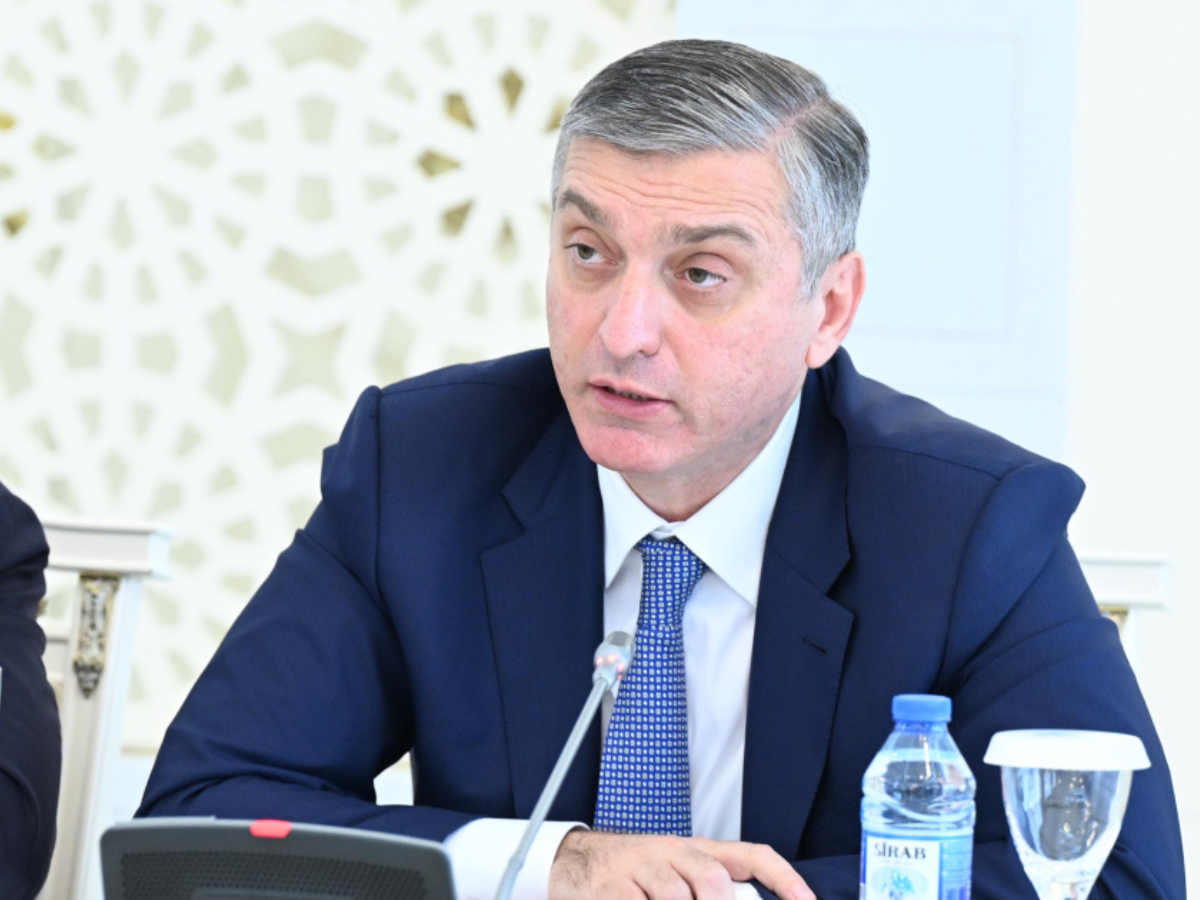
BAKU, Azerbaijan, November 16.
Azerbaijan’s 2027 state budget serves as a turning point toward
reducing Azerbaijan’s dependence on the oil and gas sector, and
envisages an optimal balance between military, social, and
investment expenditures, Chairman of the Chamber of Accounts Vugar
Gulmammadov said during discussion of the draft law “On the state
budget of the Republic of Azerbaijan for 2027” in its first reading
at plenary session of the parliament today, Trend’s correspondent
reports from the event.
According to him, the draft budget for next year is
distinguished by two key features. The first is the projection that
the non-oil and gas sector will account for more than 77% of the
Gross Domestic Product (GDP). This represents the highest figure
recorded to date.
The second significant point is the target for the non-oil and
gas sector to contribute 60.6 percent of total state budget
revenues. This figure is also considered an all-time high.
The chairman of the chamber noted that, in analyzing the draft
budget, the Chamber of Accounts focuses on three fundamental
questions: the draft’s compliance with legislative requirements,
the reliability of the budget parameters, and the medium- to
long-term sustainability of public finances.
He added that the draft state budget for 2027, along with other
documents included in the budget package, has been analyzed for
compliance with legal requirements. Although a need to improve
certain indicators was identified, appropriate refinements and
additions were made to the budget documents following discussions
with central executive authorities.
Gulmammadov emphasized that the analyses conducted indicate that
the budget documentation is presented in a largely accurate and
reliable manner, in line with the relevant reporting framework for
key aspects.
Addressing the issue of fiscal sustainability, the chairman of
the chamber noted that the ratio of Azerbaijan’s public debt to its
GDP is significantly below critical international thresholds.
Specifically, as of October 1, 2026, this figure stood at 17.3%.
At the same time, the reserves of the State Oil Fund of Azerbaijan
bolster the country’s liquidity and counter-cyclical financial
capacity, thereby supporting debt sustainability.
“While the country’s fiscal space provides an effective
financial buffer against external macroeconomic shocks, the
institutional strengthening of national fiscal rules, including the
development of a non-resource revenue base, remains a fundamental
prerequisite for ensuring long-term intertemporal budget
sustainability,” he remarked.
The chairman of the chamber identified the full coverage of
current expenditures through non-oil revenues as a key objective
for the medium term. At the same time, he drew attention to the
increasing share of current expenditures within the state
budget.
According to him, the rise of this indicator from 60.4% to 62.3%
could pose certain risks to long-term financial sustainability.
Gulmammadov proposed imposing limits on the growth rate of
current expenditures within the framework of fiscal rules.
In conclusion, he said that, based on the analyses conducted,
the draft state budget for 2027, submitted to the parliament, has
been prepared in compliance with relevant legislative requirements
and will serve to provide financial support for the country’s
primary tasks and strategic goals.


