


Up to 90% of the population in low- and middle-income countries buy medicines through out-of-pocket payments
Keystone-SDA
Swiss drugmakers Novartis and Roche are among the few pharmaceutical giants still investing in access to medicines in poorer countries. But geopolitical tensions, US trade pressure and a growing focus on wealthy markets threaten to reverse hard-won progress.

Some two billion people globally don’t have access to essential medicine, most of whom are in low- and middle-income countries, according to the World Health Organization (WHO).
For more than two decades, the Access to Medicine Foundation based in the Netherlands has urged the 20 largest pharmaceutical companies to make their drugs available to the poorest patients in the world. Most companies rarely launch drugs in low-income countries. If they do, the prices are too high, or health systems aren’t equipped to administer the drugs.
The tenth editionExternal link of the Foundation’s Access to Medicine Index, published on Tuesday, finds that access has moved from the fringes of corporate operations to become a more integral part of how companies do business.
More

More
Swiss non-profit drugmakers team up as funding shrinks
“When we began, medicine was something companies did on the side as a matter of goodwill rather than a core part of how a business runs. Today it has a place in boardrooms and in business plans,” wrote Jayasree Iyer, CEO of the Access to Medicine Foundation, in a press release.
Most big pharma companies now consider how to expand global reach of their products in research and development as well as in supply planning. Some 68% of late-stage drug candidates are now covered by a so-called access plan, more than triple the proportion in 2018 according to the Index.
Swiss pharma giant Novartis, which took first place in the ranking for the second time in a row, has access plans across nearly all drug candidates in late-stage clinical trials. It has also set measurable targets for the number of patients reached by its products.
Basel-based peer Roche moved up to sixth place, tied with Boehringer Ingelheim, from 11th in 2024 thanks in part to its efforts to expand access to its cancer drugs and conduct clinical trials in sub-Saharan Africa.
Geopolitical headwinds
However, industry performance has “plateaued” finds the report. Progress has been slow in moving from plans on paper to implementation and measurable change in terms of higher numbers of patients that can access products. Geopolitical headwinds aren’t helping matters and threaten to derail progress, says Iyer.
Nationalist pressures are pushing companies to look inwards to their home markets, while drastic cuts in international aid budgets are jeopardising funding for research into neglected diseases and for infrastructure to distribute life-saving therapies.
“We’ve been banking on this group of companies having large pipelines and investing in priority diseases, but the total number of drug candidates has actually dropped significantly in the last few years,” Iyer told Swissinfo. “This should be the industry’s wake-up call to ask if we are actually designing the right drugs that the world actually needs.”
The number of drug development projects in neglected tropical diseases such as Dengue fever has fallen to a third of its peak from 2018. Only 23% of companies’ clinical-stage drug projects target these diseases despite their growing burden in poorer countries.
More
More
Can Novartis really make its medicines available to everyone?
Even before the Covid pandemic, companies had been abandoning research into infectious diseases in favour of areas with higher potential for profit such as oncology. The latest obesity drug trend has only reinforced a shift in investment into blockbusters targeting wealthy markets.
There are some exceptions. Novartis is still developing drugs for malaria, leprosy and Chagas – diseases largely found in the developing world. In 2025, Novartis launched the first anti-malarial treatment for newborns and babies. A few years prior, UK-company GSK and partners launchedExternal link the first approved malaria vaccine.
Despite this progress, malaria remainsExternal link one of the deadliest infectious diseases, with deaths rising in the past few years to exceed 610,000 in 2024.
Drug pricing problems
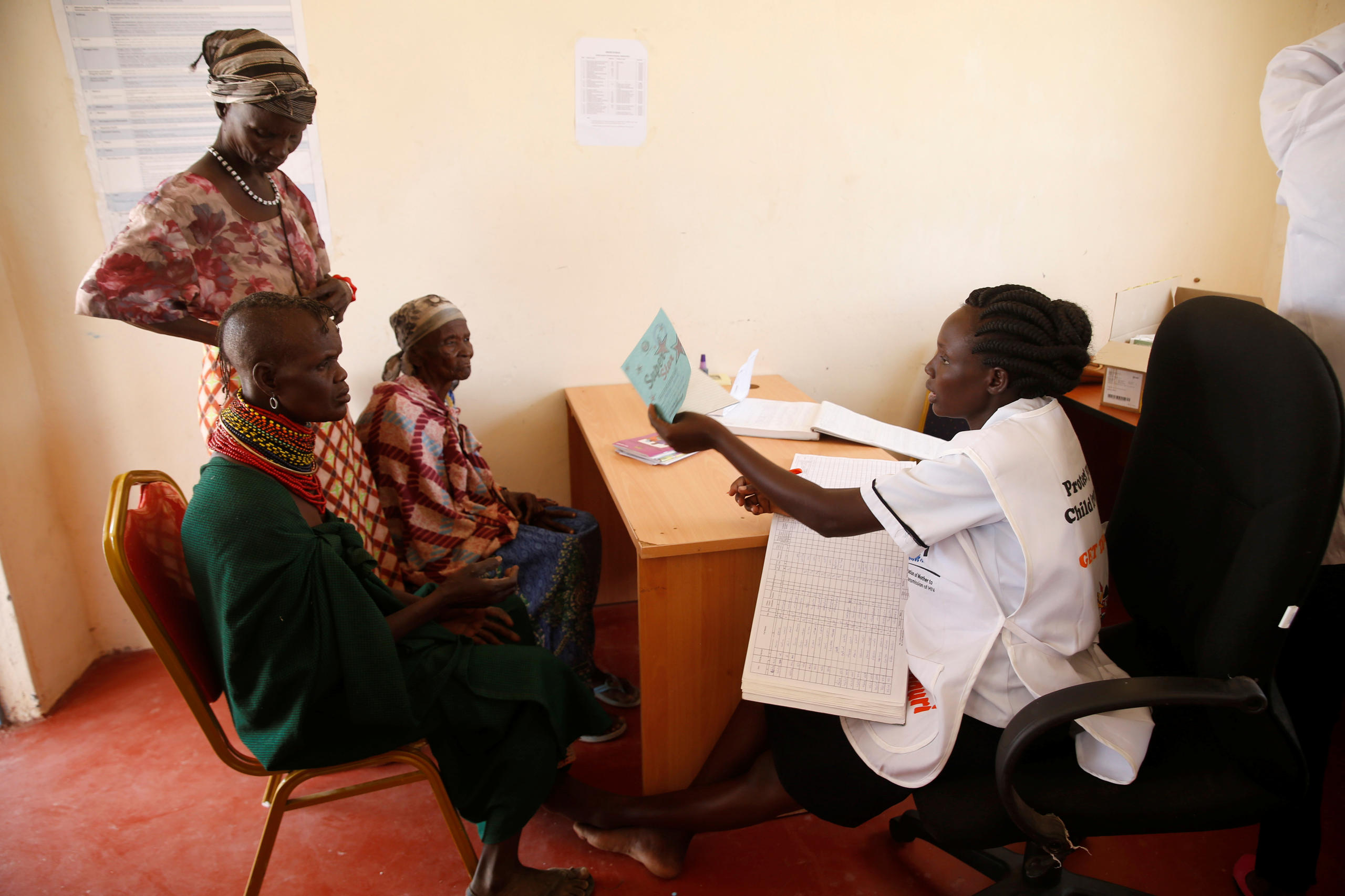
For drugs already on the market, affordability remains the main barrier to access according to the WHOExternal link. Up to 90% of the population in low- and middle-income countries buy medicines through out-of-pocket payments, and billions of people every year experience financial hardship paying for healthcare.
One way to bring down prices is through licensing drugs to generic manufacturers. In May Roche signed a voluntary licence deal with the Medicines Patent Pool (MPP) to expand access to its flu therapy, Xofluza. This is expected to dramatically bring down the price in some 129 countries.
Pharma giants have resisted licensing their blockbusters in cancer and other non-communicable diseases. Novartis signed a voluntary licence deal with the MPP for its cancer drug nilotinib (Tasigna) for chronic myeloid leukaemia in 2022. No other company followed suit. The drug is being produced by one generic maker and sold in four low-income countries via the voluntary licence deal.
“We’ve tried to show industry that voluntary licensing is a way to open new markets and receive royalties, but companies tend to just see the risks involved,” said Charles Gore, executive director of MPP in Geneva.
Public health advocates such as Doctors without Borders argueExternal link that voluntary actions by companies aren’t enough to ensure fair and affordable prices.
More

More
Pharma pushes for higher European drug prices, Trump or no Trump
The current geopolitical situation has made the situation worse in many ways. Companies have become even more focused on securing their largest market: the United States. Drugmakers have pledged to invest over $500 billion (CHF410 billion) in the US in exchange for favourable trade terms with the Trump administration.
Offering discounts in any country around the world has also been under the magnifying glass amid Trump’s calls for other countries to pay higher prices and what he sees as their fair share of innovation.
“It’s clear that pharma companies’ bandwidth for thinking about access has definitely shrunk and they’re a lot more worried about how lower drug prices anywhere in the world will be perceived,” Gore said.
There’s growing awareness that pharma companies can’t remain dependent on high US prices. But this isn’t translating into a more global approach to launching medicine for most companies. Only a small number of companies, including Novartis and Roche, remain active in sub-Saharan Africa.
“We are at a pivot point as an industry. You have to make a choice,” Iyer said. “Are you going to develop your growth in emerging markets and developing countries where the demand is growing, or are you going to react in the way you’ve always done by trying to hold on to the small number of markets that have been carrying your business up to now?”
Edited by Marc Leutenegger/ts


