


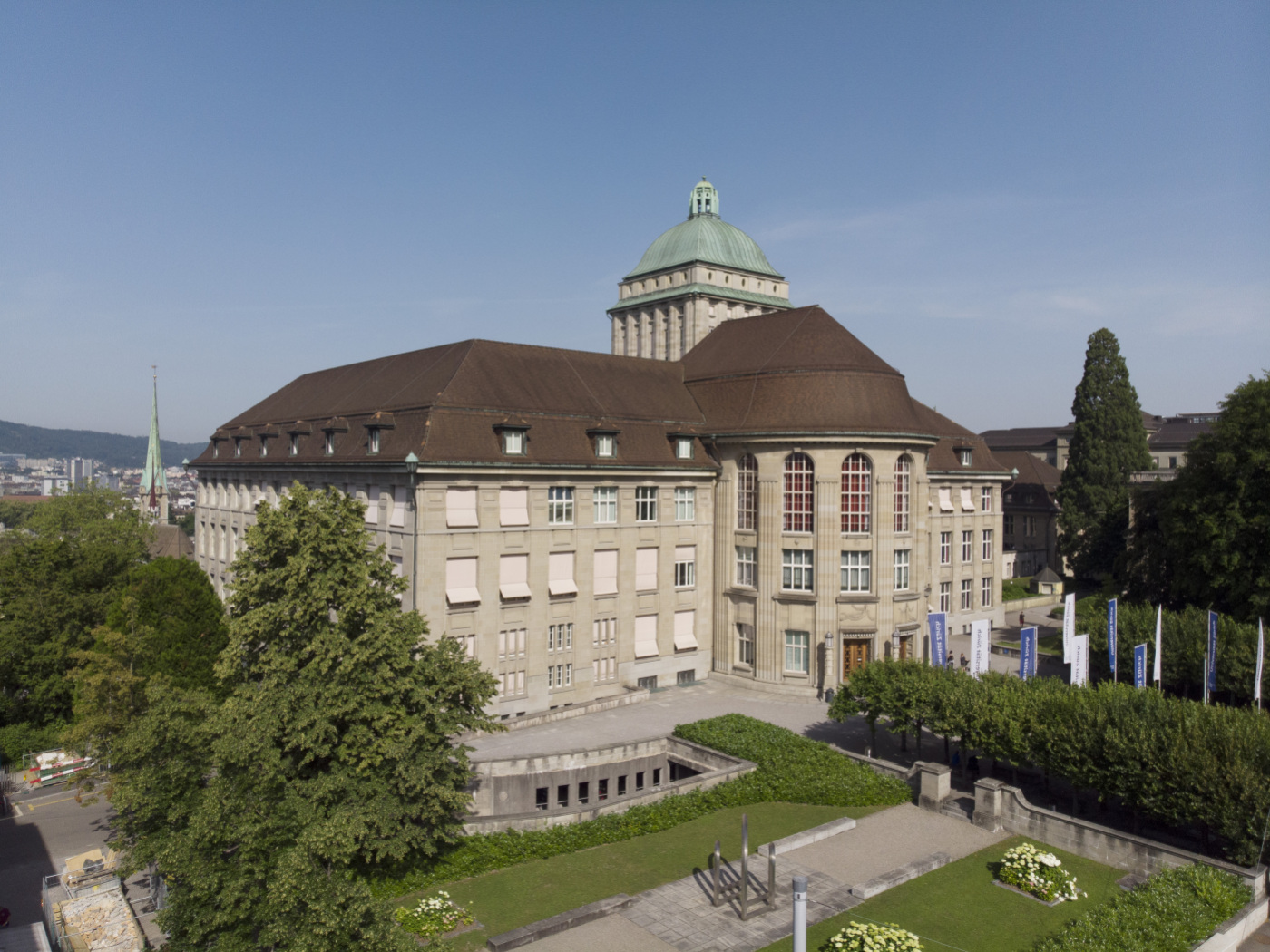
Commission criticises the University of Zurich’s senior management
Keystone-SDA
The Zurich Cantonal Council’s Supervisory Commission for Education and Health (ABG) has criticised the university, or rather its management. It claims that there are people in management positions who are not suited to the role.
Normally, the approval of an annual report in the Cantonal Council is a mere formality. The relevant committee, which prepares the matter, recommends that Parliament approve the annual report. In the vast majority of cases, this is then carried out without a hitch.
Not so this year. In its statement on Thursday, the ABG criticised the University of Zurich quite sharply. The criticism goes so far that it intends to withhold its approval of the annual report.
The reason, according to the ABG, is the university’s “outdated approach to leadership”. Greater attention must be paid to leadership skills when selecting and training senior staff. The ABG, in particular, sees major shortcomings among the university’s senior management.
‘Concerned’ about ongoing problems
The Commission has also criticised the collaboration between the University and the University Hospital. The Commission is “concerned” about the ongoing problems. While the exchange of information between the two institutions has improved significantly, according to the ABG, when it comes to dual appointments – that is, people who work at both the university and the university hospital – it is difficult to find joint solutions when problems arise.
+ Tribunal rules Zurich university unfairly dismissed professor
The Commission is also dissatisfied with the exchange of information between itself and the university. The members of the Cantonal Council are calling for this to become more transparent. This is necessary for the ABG to effectively exercise its supervisory role and verify whether the university is actually implementing its recommendations.
The Cantonal Council will debate the University of Zurich’s annual report at one of its forthcoming meetings. These issues will also be raised during the debate.
+ How we produce news in English
Translated from German, reviewed by an English Department journalist.


