

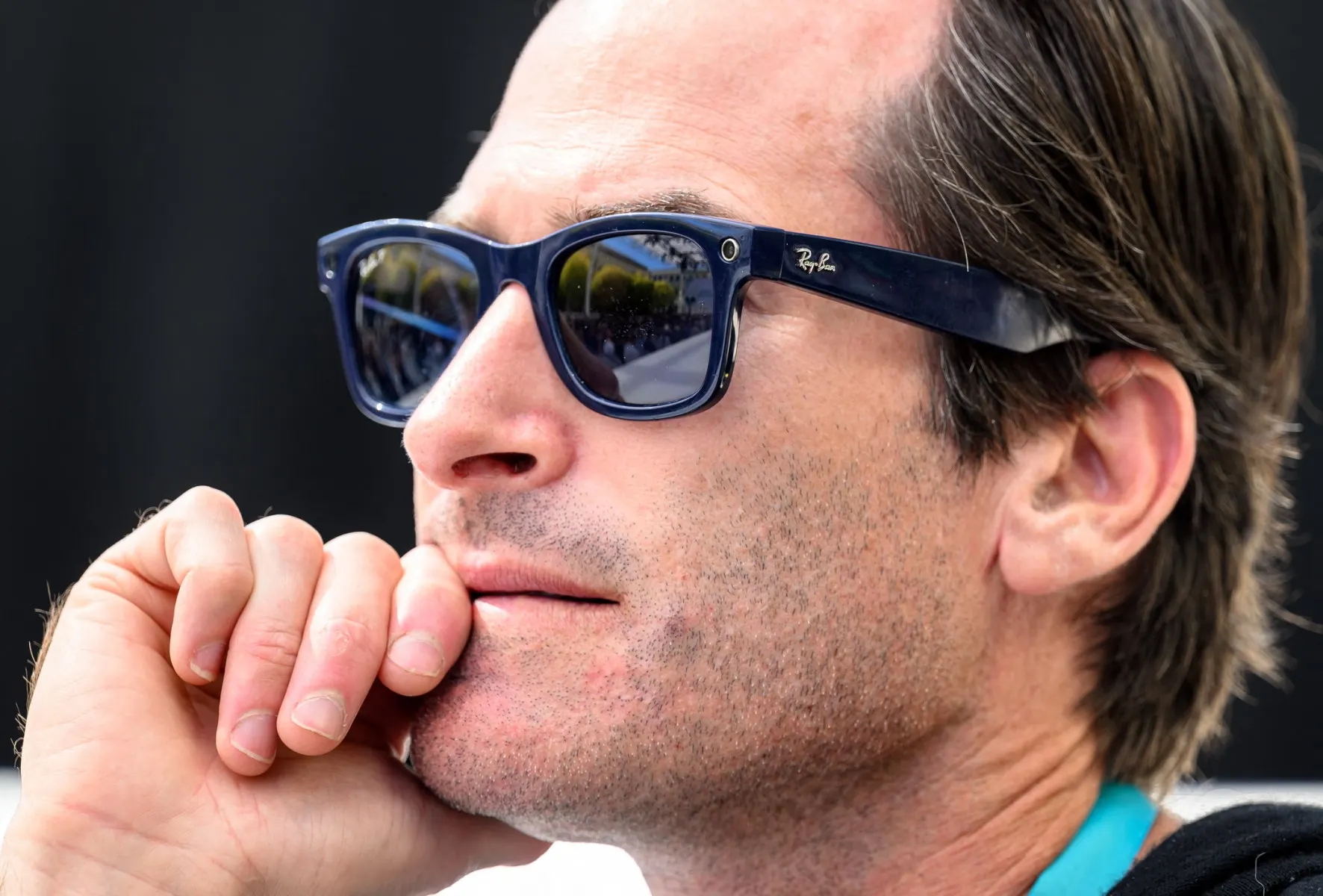
With the rise in popularity of AI smart glasses, such as Meta’s Ray-Bans, we look at whether or not you’re legally allowed to use them to film in public in Spain.
Smart or AI glasses have become the latest tech craze, and influencers in particular are using them to be able to film their lives, from their point of view.
Essentially, they look just like regular glasses, but also have secret built-in cameras, microphones, speakers and AI technology which allows you to use all of these in a hands-free mode. They also allow you to interact with AI, asking questions or telling it to translate, identify landmarks etc, as well as check or e-mails and messages.
The main problem with them, however, is the ability to record or video people without them knowing. Because of this feature, you need to be careful how you use them because you may be inadvertently breaking the law.
It’s important to know that’s there’s no actual law in Spain banning smart glasses or the use of them. The laws pertain to filming and recording and is just like those for normal mobile phones that also have this ability.
Whether it’s legal or not generally depends on who or what you’re filming, where you’re filming and whether you intend to publish these videos or recordings on the internet or another public domain.
Spain’s Organic Law 1/1982 regulates the fundamental right to honour privacy and one’s own image and states that: “The capture, reproduction or publication by photography, film, or any other procedure, of the image of a person in places or moments of their private life” is considered an illegitimate intrusion.
It does also state one exception to this rule. “Graphic information about a public event or occurrence when the image of a specific person appears as merely incidental” does not constitute a violation of this fundamental right.
READ ALSO: Can you film in public in Spain or do you need permission?
This means that generally you are not allowed to film people or publish it to the internet without their permission. If, however, you’re filming with your AI glasses along the street or in another public space and people happen appear in your video, but they’re not the main subject of the video and they’ve just passed in front of your screen or something, then this is allowed.
Ideally, though, if people are recognisable and appear in your videos or photos and you want to publish online, you should ask them for their permission. This is particularly important if you capture a child in your video. Spain’s digital law sets the minimum age of consent for privacy at 14 years old. This means if you’re filming anyone under that age, you need consent from the child’s parents or guardians first. If you can’t do this, technically you should blur their faces so they can’t be recognised.
If you’re filming for commercial purposes, like advertising or content creation, and you’re making a profit from the videos and photos, then you must always get consent from the people who appear in it.
If someone is performing on the street though for example, you’re generally allowed to film them because they’re expecting to be filmed and are performing for the public. In this case, it’s usually not necessary to get their permission first.
It’s important to be aware though, that not everywhere will allow you to film. Sometimes public spaces such as stores, shopping malls or supermarkets have their own rules and will prohibit you from filming in their establishment either with AI glasses or with your phone.
It is not, however, allowed in places where people expect privacy, even if people are just appearing in the corner of your videos and are not the main subject. This includes places like changing rooms, bathrooms, doctors’ offices, hotel rooms etc.
You’re also not allowed to record private conversations between people, whether that’s out in public or even in your own home.
READ ALSO: Europe eyes battle over ‘pervert’ AI glasses
For now, rules about AI glasses come under the same as phones and video cameras, but there are calls across Europe for governments to ban the sale of these types of smart glasses after secretly filmed footage of girls and women appeared online.
There is even more worry now as there have been reports that Meta is also developing a facial recognition feature to be integrated into the devices.
Some countries, however, have already made moves to set out specific rules. The Norwegian capital of Oslo has banned the glasses in schools and the government is already contemplating a ban on features that enable facial recognition in public.
Similar calls for action have been made in France and Sweden and for EU-wide laws to regulate the use of them.
