


Iran’s hard-line-dominated parliament has approved the framework of a bill that criminalizes a range of interactions with “hostile” foreign media and other institutions with ties abroad as authorities look to curb what they consider foreign infiltration of the Islamic republic.
The measure, approved on August 16 by 183 lawmakers in the 290-seat parliament, prohibits interviews, participating in discussions, or other communication with media described as American, Israeli, or funded by the United States or Israel.
The bill would also criminalize sending videos, photographs, audio recordings, or other data to non-Iranian media outlets or people engaged in media activities outside the country.
The creation of an extensive new framework for prosecuting alleged foreign influence comes amid growing scrutiny of journalists and others accused of maintaining contact with organizations considered hostile by Tehran.
Prison Terms For Violations
Finland-based political analyst Kambiz Ghafouri told RFE/RL’s Radio Farda that the move — violations would carry a prison sentence ranging from six months to two years — could “turn Iran into North Korea.”
“Infiltration doesn’t happen in society, but in the power structure…. Instead of looking at the security apparatus, they go after journalists,” Ghafouri said.
He added that if the authorities were looking for actual security gaps, “they would have to hold themselves accountable.”
Sentenced To 15 Years For Photography In Iran: The Images Of Iranian Yalda Moaiery
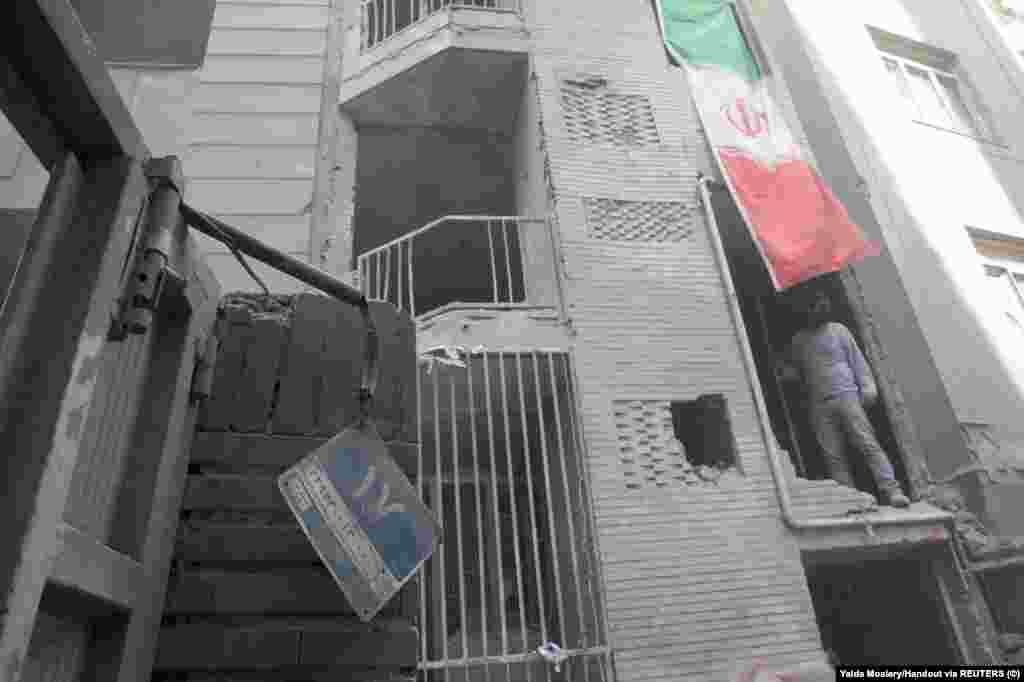
Prominent Iranian photojournalist Yalda Moaiery has been sentenced to a 15-year prison term for her work covering the US-Israeli war with Iran. Here are some of the images she captured of the conflict before the shock sentence was announced.
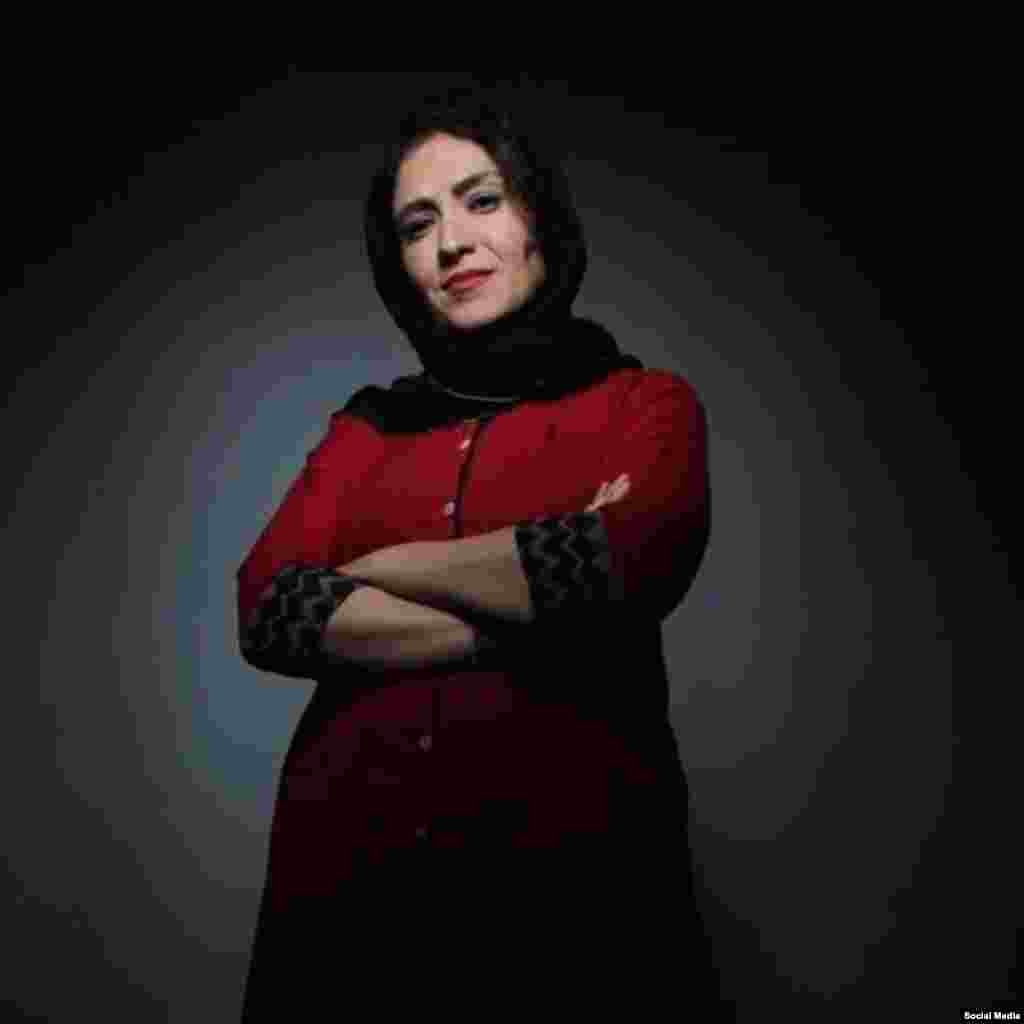
Prominent Iranian photojournalist Yalda Moaiery has been sentenced to a 15-year prison term for her work covering the US-Israeli war with Iran. Here are some of the images she captured of the conflict before the shock sentence was announced.
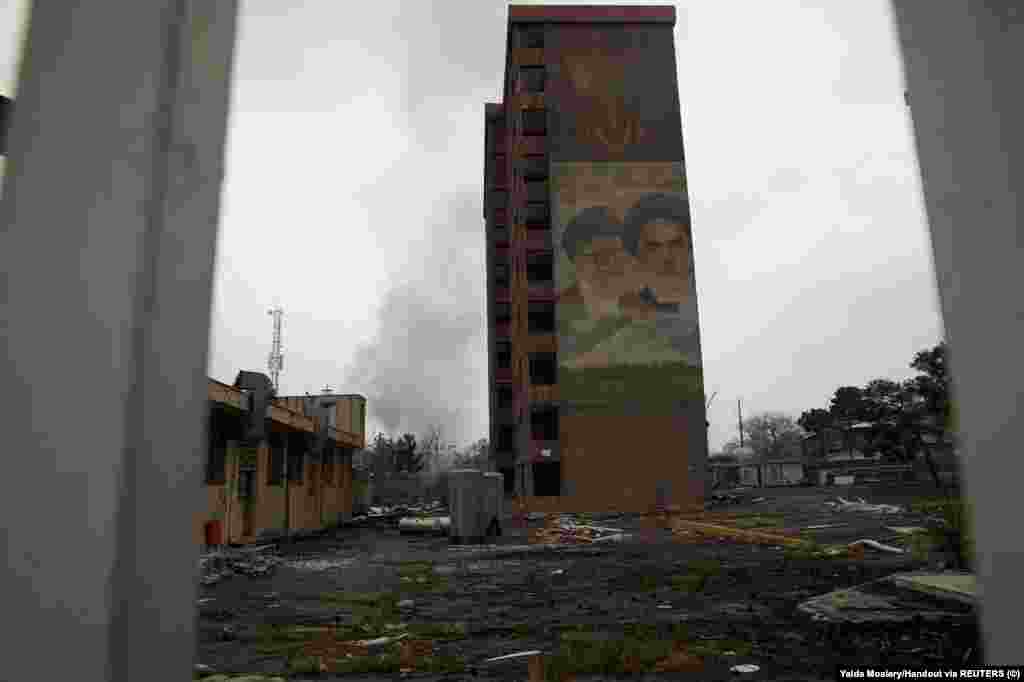
Prominent Iranian photojournalist Yalda Moaiery has been sentenced to a 15-year prison term for her work covering the US-Israeli war with Iran. Here are some of the images she captured of the conflict before the shock sentence was announced.
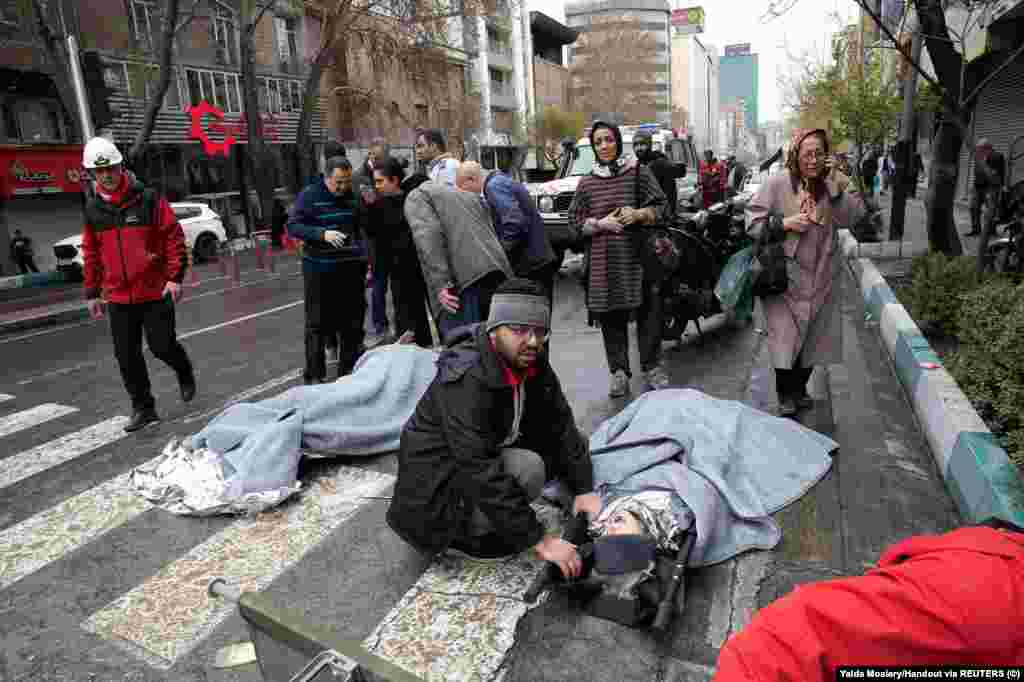
Prominent Iranian photojournalist Yalda Moaiery has been sentenced to a 15-year prison term for her work covering the US-Israeli war with Iran. Here are some of the images she captured of the conflict before the shock sentence was announced.
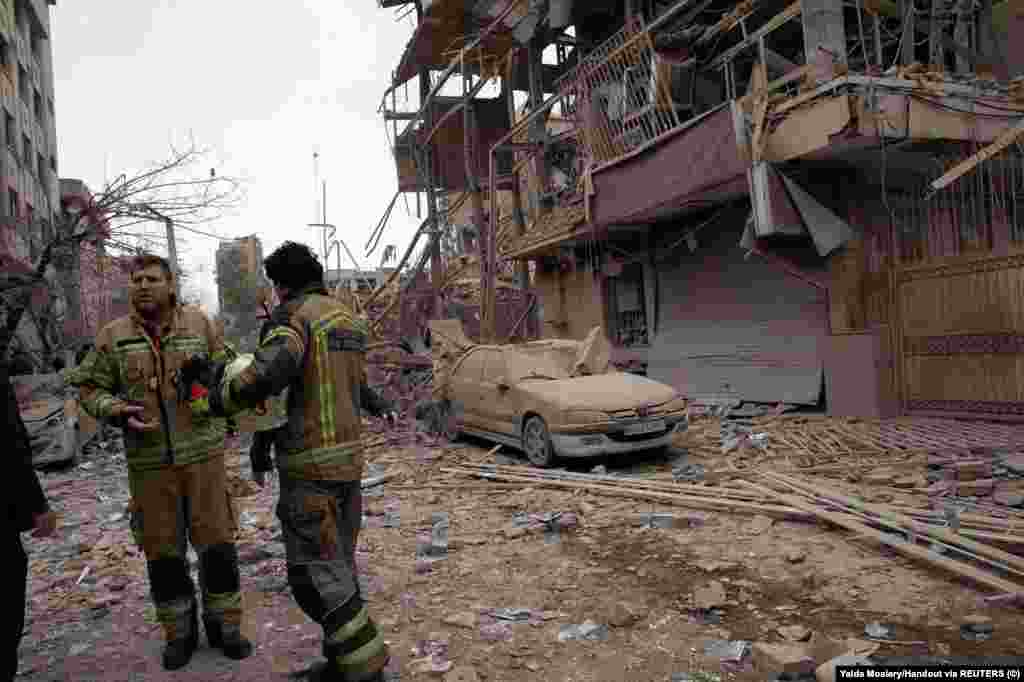
Prominent Iranian photojournalist Yalda Moaiery has been sentenced to a 15-year prison term for her work covering the US-Israeli war with Iran. Here are some of the images she captured of the conflict before the shock sentence was announced.
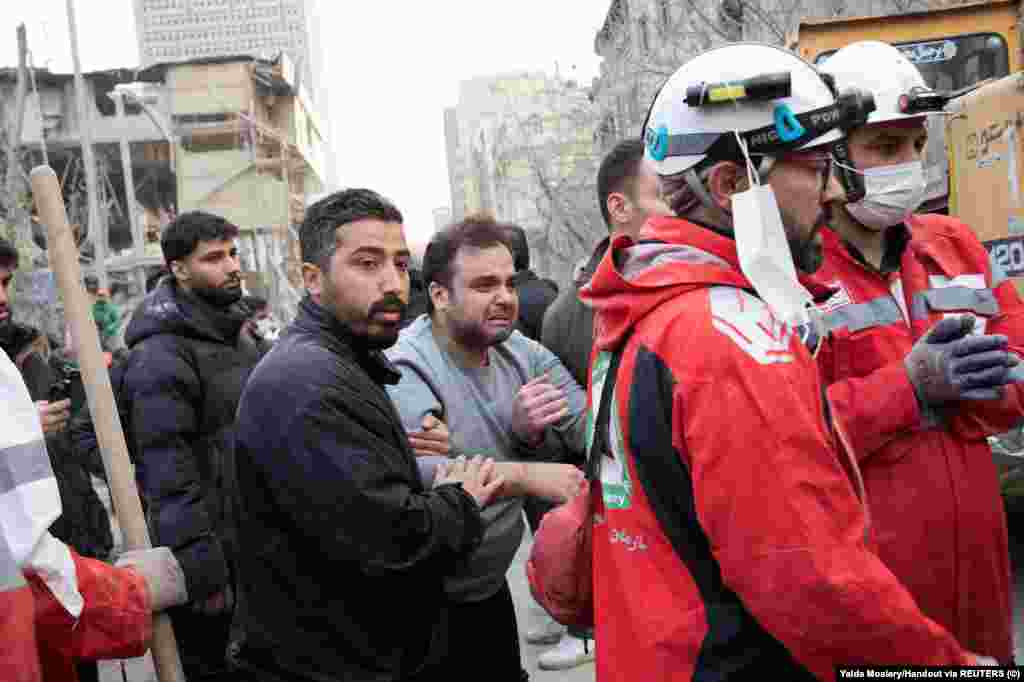
Prominent Iranian photojournalist Yalda Moaiery has been sentenced to a 15-year prison term for her work covering the US-Israeli war with Iran. Here are some of the images she captured of the conflict before the shock sentence was announced.
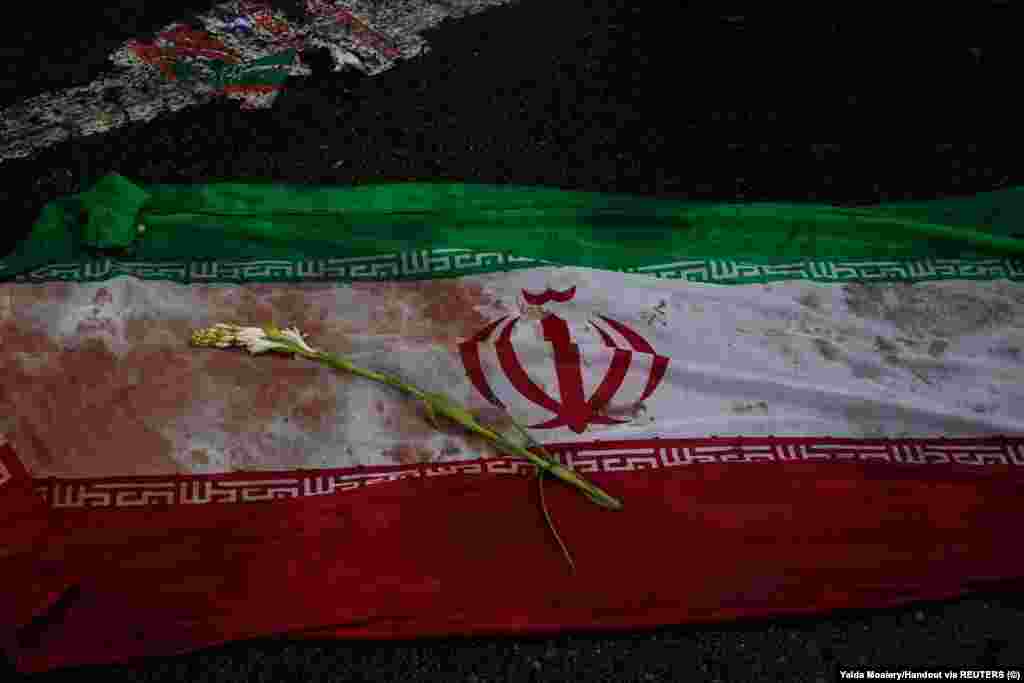
Prominent Iranian photojournalist Yalda Moaiery has been sentenced to a 15-year prison term for her work covering the US-Israeli war with Iran. Here are some of the images she captured of the conflict before the shock sentence was announced.
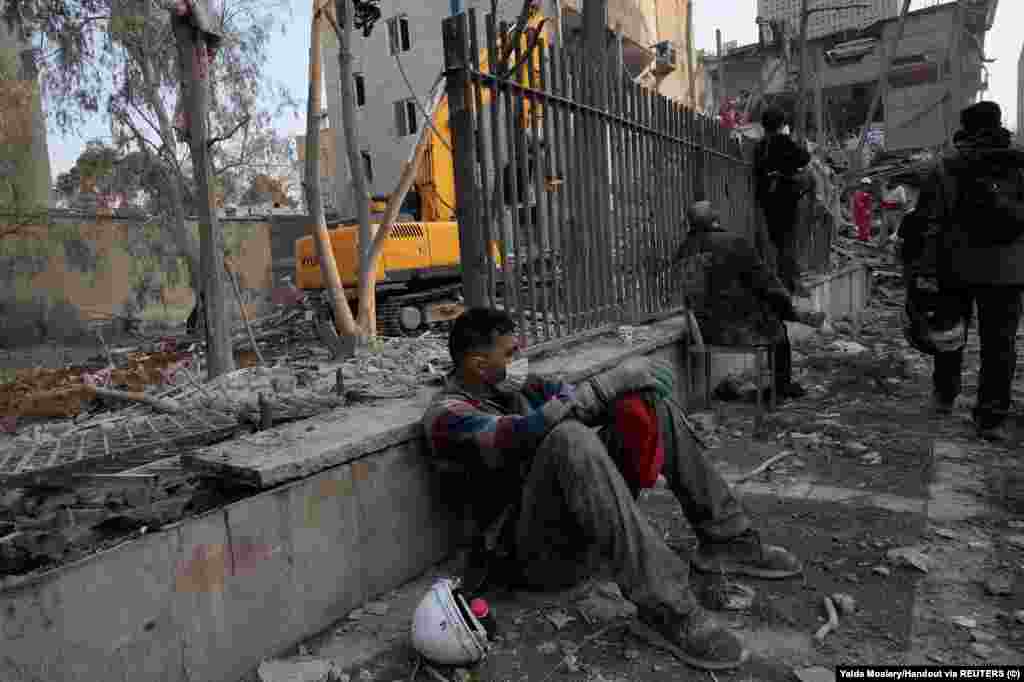
Prominent Iranian photojournalist Yalda Moaiery has been sentenced to a 15-year prison term for her work covering the US-Israeli war with Iran. Here are some of the images she captured of the conflict before the shock sentence was announced.
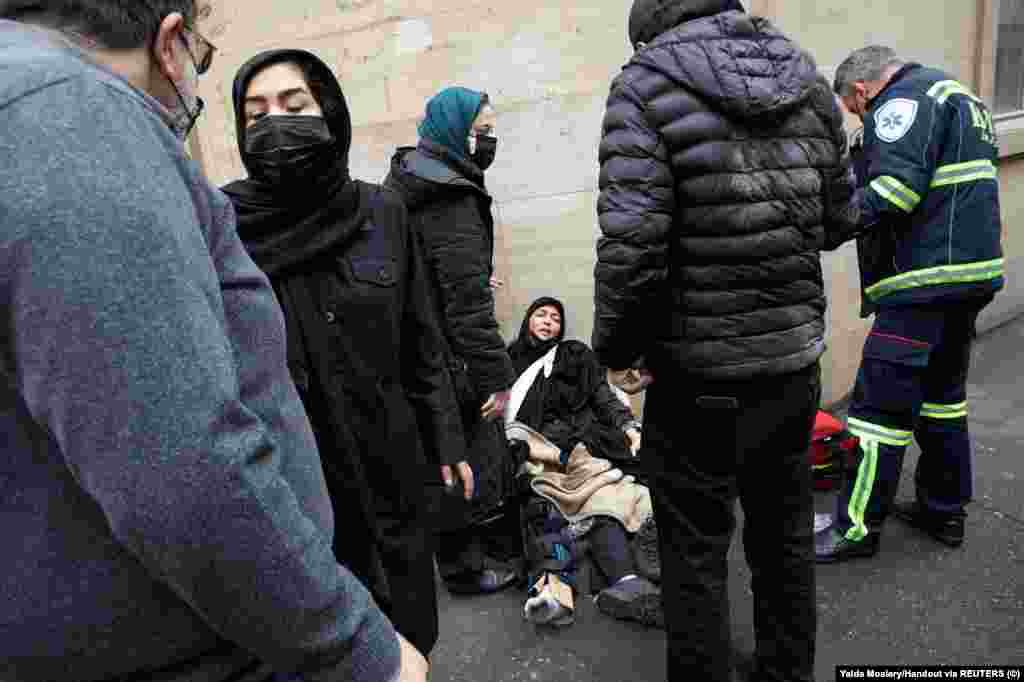
Prominent Iranian photojournalist Yalda Moaiery has been sentenced to a 15-year prison term for her work covering the US-Israeli war with Iran. Here are some of the images she captured of the conflict before the shock sentence was announced.
The sweeping scope of the legislation extends deep into cultural and academic life.
Contact with other foreign media would require prior notification of the Intelligence Ministry through a government system, effectively requiring Iranians to inform the authorities before giving an interview.
The legislation names the Intelligence Ministry and the intelligence arm of the Islamic Revolutionary Guards Corps (IRGC) as the entities responsible for investigating alleged violations.
Additional measures approved by parliament impose a lifetime ban on producing or directing films, documentaries, theater, music, or books that promote “anti-Islamic culture” or present a negative portrayal of the country.
The bill also targets educational and research activities, mandating five to 10 years in prison for organizers of courses or workshops deemed “incompatible with Iranian culture,” with attendees facing up to two years behind bars.
Furthermore, any unauthorized academic collaboration with foreign universities or research institutes without Intelligence Ministry approval will carry prison sentences ranging from six months to two years.
“Even science has to pass through security censors,” Ghafouri said, accusing the authorities of trying to isolate Iranians and “lock their lips.”
The bill would need to be approved by the constitutional watchdog, the Guardians Council, to become law.
Iran already imposes sweeping restrictions on independent journalism and access to information. It has also waged a deadly campaign using what rights groups say are almost always fabricated or trumped up charges of “spying” to execute anyone seen as questioning the authorities.
Iran Human Rights says it has verified at least 472 executions so far this year, prompting UN human rights chief Kurt Volker to accuse authorities of using capital punishment “to instill fear among the population and suppress dissent.”
Reporters Without Borders ranks the country 177th out of 180 in its 2026 World Press Freedom Index, citing arrests, surveillance, harassment, censorship, and heavy prison sentences targeting journalists.


