• Login
Wednesday, August 12, 2026
Geneva Times
  • Home
  • Editorial
  • Switzerland
  • Europe
  • International
  • UN
  • Business
  • Sports
  • More
    • Article
    • Tamil
No Result
View All Result
  • Home
  • Editorial
  • Switzerland
  • Europe
  • International
  • UN
  • Business
  • Sports
  • More
    • Article
    • Tamil
No Result
View All Result
Geneva Times
No Result
View All Result
  • Home
  • Editorial
  • Switzerland
  • Europe
  • International
  • UN
  • Business
  • Sports
  • More
Home Switzerland

Natural disasters: insurers brace for second half of 2026

GenevaTimes by GenevaTimes
August 12, 2026
in Switzerland
Reading Time: 5 mins read
0
Natural disasters: insurers brace for second half of 2026
0
SHARES
0
VIEWS
Share on FacebookShare on Twitter


Natural disasters: a quiet first half of the year for insurers

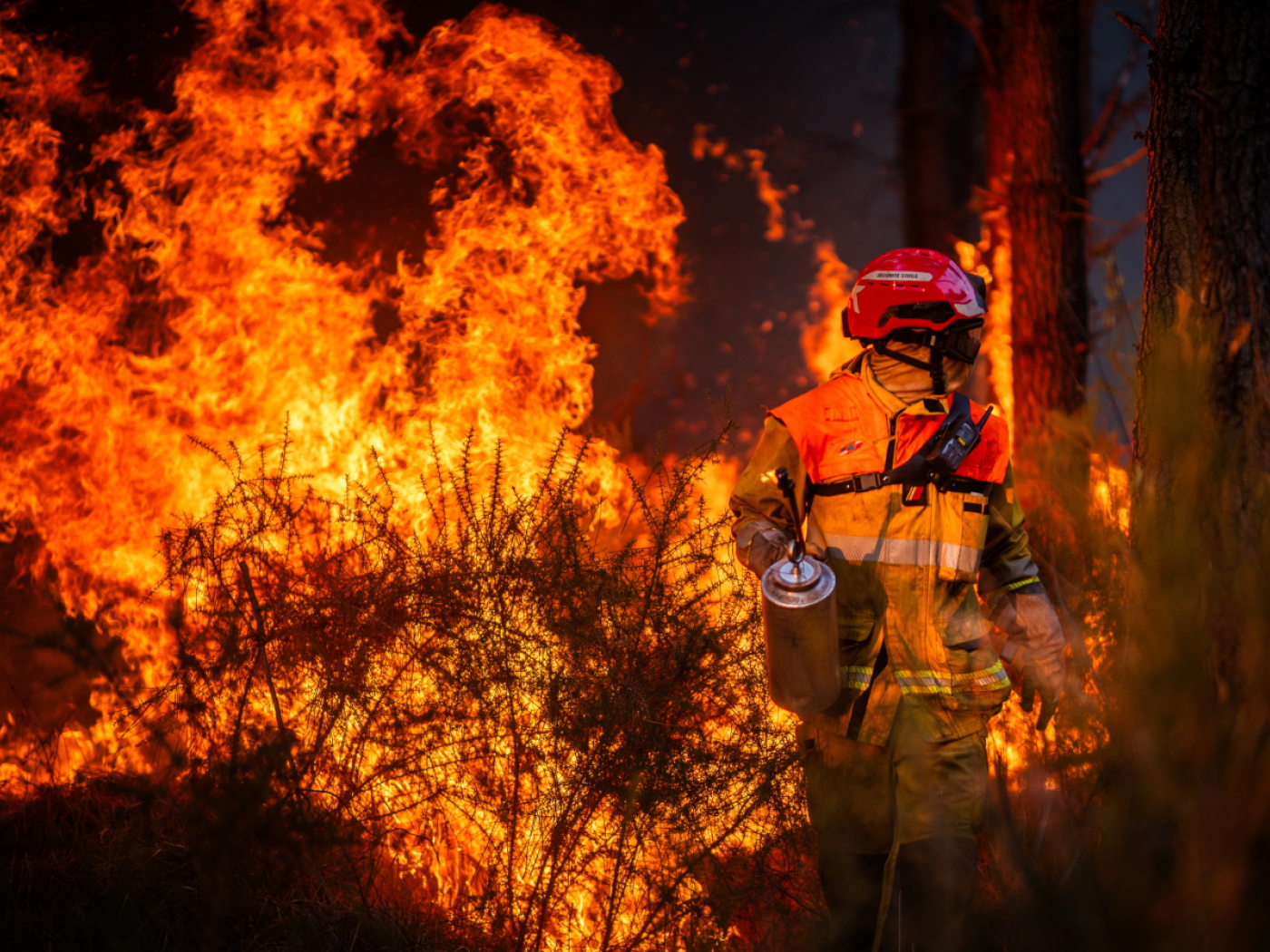
To date, forest fires account for only a relatively small proportion of insured losses in Europe. Globally, however, they are among the fastest-growing natural perils.


Keystone-SDA

Insurers have had a relatively quiet first half of 2026 in terms of natural disasters, according to estimates from the Zurich-based reinsurer Swiss Re. However, the cost could rise in the second half of the year.


This content was published on


August 11, 2026 – 15:17

In the first half of 2026, the cost of insured damage worldwide caused by natural disasters is expected to amount to $42 billion (CHF34 billion), a 16% decrease compared with the average over the past ten years, according to estimates published on Tuesday by the Swiss Re Institute. This is the lowest level for a first half-year since 2020.

In total, insured losses as a whole – which include natural and human-made disasters – are expected to reach $48 billion over the first six months of the year, a figure 15% lower than the ten-year average. Total economic losses, meanwhile, are expected to amount to $107 billion (-9%).

More
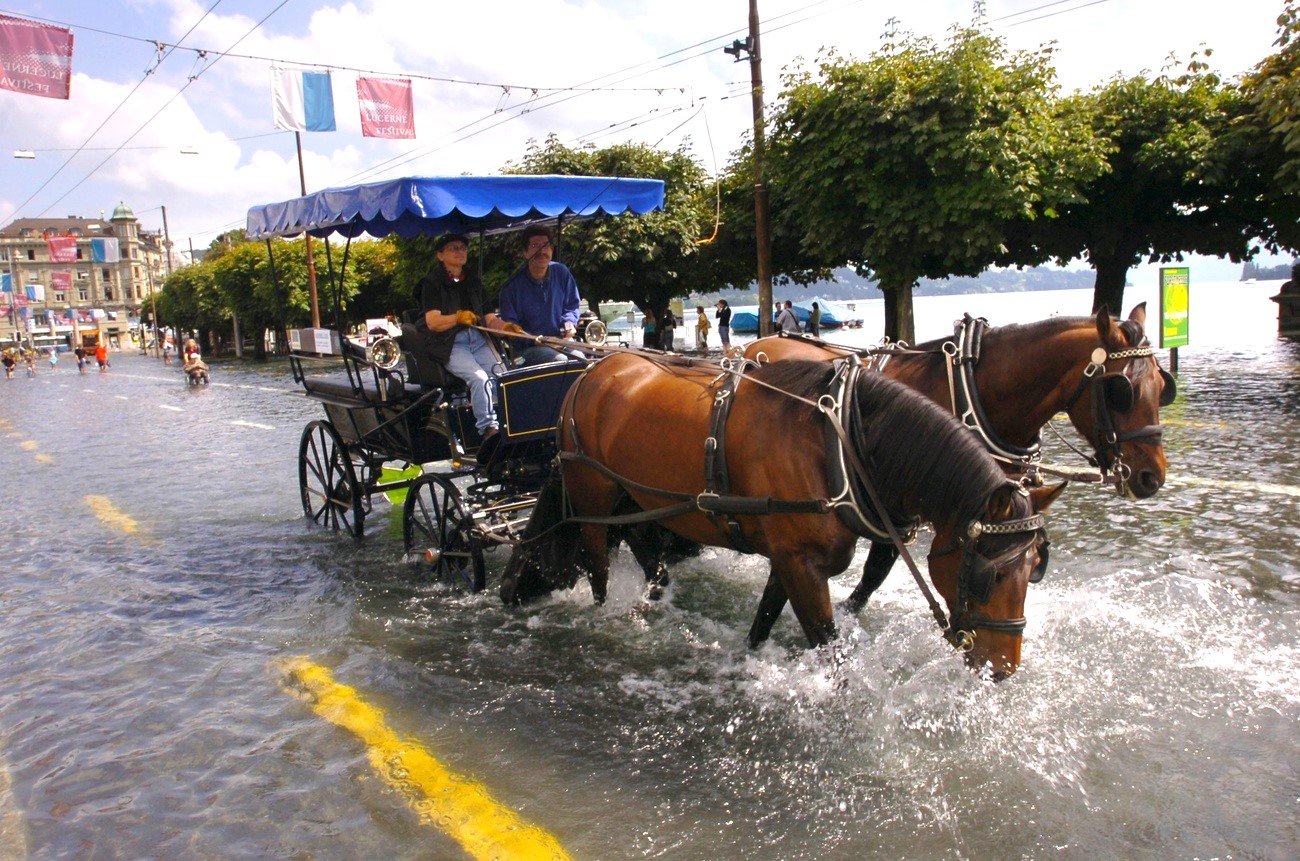
The city of Lucerne: the flood of 2005 is among the worst natural disasters in recent history in Switzerland.

More


Climate adaptation

Is Switzerland’s natural disaster insurance a model for the world?


This content was published on


Aug 21, 2025


The Swiss insurance system against natural hazards also offers cover in high-risk areas. A unique model that could inspire other countries.


Read more: Is Switzerland’s natural disaster insurance a model for the world?


Severe storms remained the main cause of claims, with an estimated cost of $28 billion. However, the damage is below the long-term average. This is because the regions most at risk in the United States, such as Texas, were largely spared, even though storm activity was above average.

At the same time, record temperatures in June and persistent drought created conditions conducive to forest fires in Europe and other parts of the world.

To date, forest fires account for only a relatively small proportion of insured losses in Europe. Globally, however, they are among the fastest-growing natural perils. According to the Swiss Re Institute, inflation-adjusted insured losses from forest fires in Europe have risen by around 8–11% per year since 1970.

Furthermore, the series of earthquakes in Venezuela caused economic damage estimated at $20 billion. Although no reliable estimates are yet available, the low insurance penetration rate in the country suggests that only a small proportion of the losses is covered by insurance.

More claims usually made in the second half of the year

“A first half of the year with fewer claims does not necessarily mean a reduction in risk. A single major hurricane, a significant earthquake or a large-scale forest fire can quickly change the situation,” warns Balz Grollimund, Head of Catastrophes and Perils at Swiss Re.

Historically, an average of 58% of global insured losses relating to natural disasters occur in the second half of the year. Hurricanes in the North Atlantic are the main contributing factor.

More

example of urban flooding. Children have fun on a flooded playground surrounded by the water of Lake Neuchatel in the port of Cudrefin following heavy rainfall in recent days on Friday July 16, 2021 in Cudrefin in the canton of Vaud.

More

Urban flooding slowly becomes a priority issue for Switzerland


This content was published on


May 10, 2024


Climate change is pushing Switzerland to change the way it handles urban flooding. As flood risks grow, cities are implementing innovative ways to mitigate the risks.


Read more: Urban flooding slowly becomes a priority issue for Switzerland


+ How we produce English news
Translated from French, reviewed by an 
English Department journalist. 

Articles in this story

Read More

Previous Post

Ukraine Says Russia Fired North Korean Missiles In Deadly Strike

Next Post

Kevin O’Connell Explains Decision To Start Kyler Murray Over J.J. McCarthy

Next Post
Kevin O’Connell Explains Decision To Start Kyler Murray Over J.J. McCarthy

Kevin O'Connell Explains Decision To Start Kyler Murray Over J.J. McCarthy

ADVERTISEMENT
Facebook Twitter Instagram Youtube LinkedIn

Explore the Geneva Times

  • About us
  • Contact us

Contact us:

editor@thegenevatimes.ch

Visit us

© 2023 -2024 Geneva Times| Desgined & Developed by Immanuel Kolwin

Welcome Back!

Login to your account below

Forgotten Password?

Retrieve your password

Please enter your username or email address to reset your password.

Log In
No Result
View All Result
  • Home
  • Editorial
  • Switzerland
  • Europe
  • International
  • UN
  • Business
  • Sports
  • More
    • Article
    • Tamil

© 2023 -2024 Geneva Times| Desgined & Developed by Immanuel Kolwin