


Switzerland introduces a national fine for littering; digitalised naturalisation system is now partially in effect; and more news in our roundup on Monday.
These are the new laws that have come into effect in Switzerland this weekend:
The government introduces a national fine for littering
Fines for littering already exist in Switzerland but they differ from one municipality to another.
Typically, they go from 100 francs upwards, based on the extent of littering.
From August 1st, the Federal Council has introduced a nationwide fee, meant to “standardise nationally the fines for littering and the illegal disposal of large quantities of urban waste.”
The new penalty – up to 250 francs, depends on the “the type and quantity of waste.”
The Federal Council also reiterated that “waste should be limited to the bare minimum and, when this is impossible, recycling should be used.”
Digitalised naturalisation system is partially in effect
Also from August 1st, the Federal Council is digitalising the processes for obtaining Swiss citizenship.
“In the future, communication between the responsible cantonal authorities and the State Secretariat for Migration (SEM) can take place digitally instead of by mail,” the government said in a press release.
With this digitisation project, the Federal Council aims not only to optimise communication but also the submission of naturalisation applications via a new interface of the Central Migration Information System (ZEMIS).
The new system will initially be tested in a few cantons during the pilot phase, with the remaining cantons to be connected to the system after the trial period is over.
READ MORE: How the new digitalised system will improve Swiss citizenship process
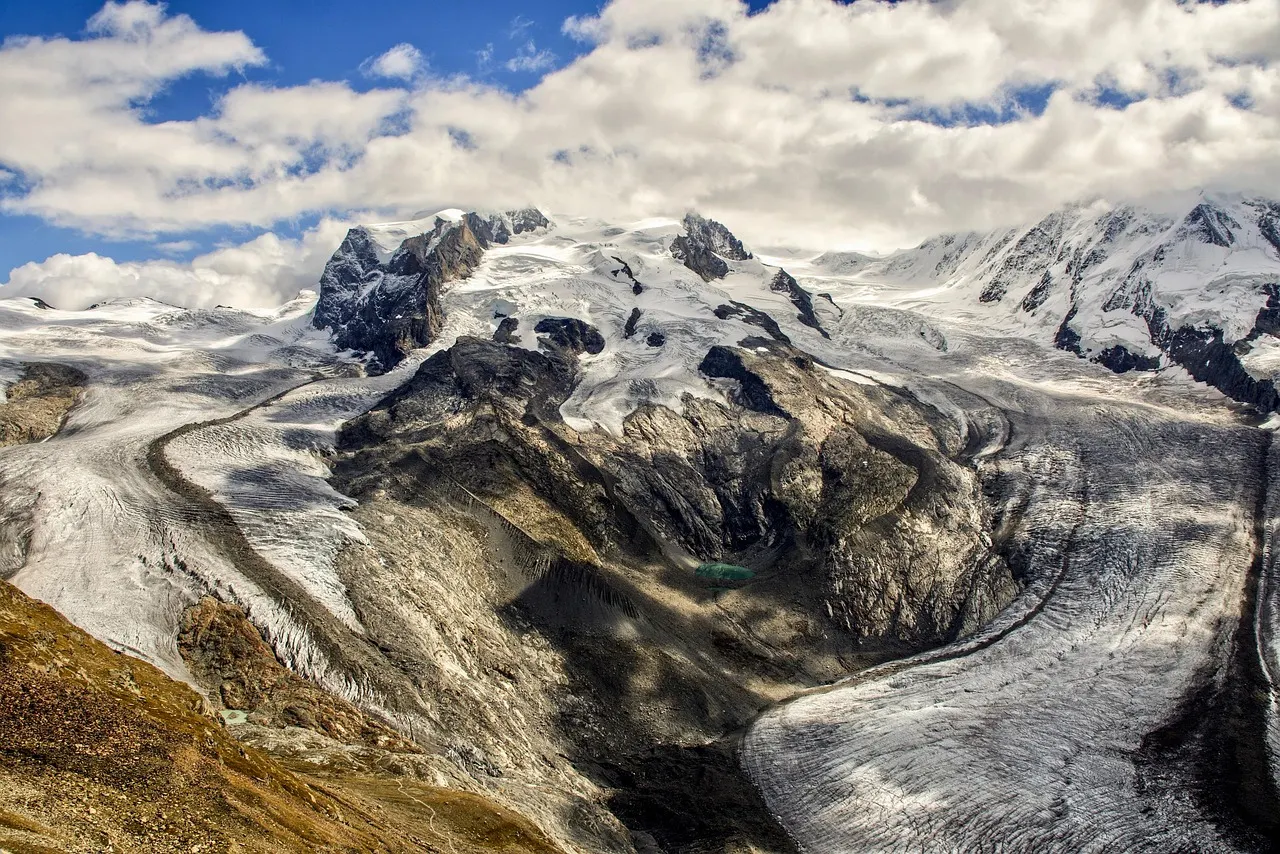
Summer skiing is no longer permitted on a Zermatt glacier
Skiing on the Theodul Glacier, which sits above the resort of Zermatt in the Swiss Alps, used to be possible all year round.
However, due to intense heatwaves, which have accelerated the melting process of the snowpack even on highest altitudes, skiing on the glacier is temporarily suspended.
“The persistent high temperatures, the lack of nighttime cooling, and state of the glacier no longer allow us to guarantee safe and high-quality operation of the slopes for visitors,” local authorities explained.
The only exceptions being made are for the top athletes of the Swiss national ski team, who train over the summer.
If you have any questions about life in Switzerland, ideas for articles or news tips for The Local, please get in touch with us at news@thelocal.ch


