


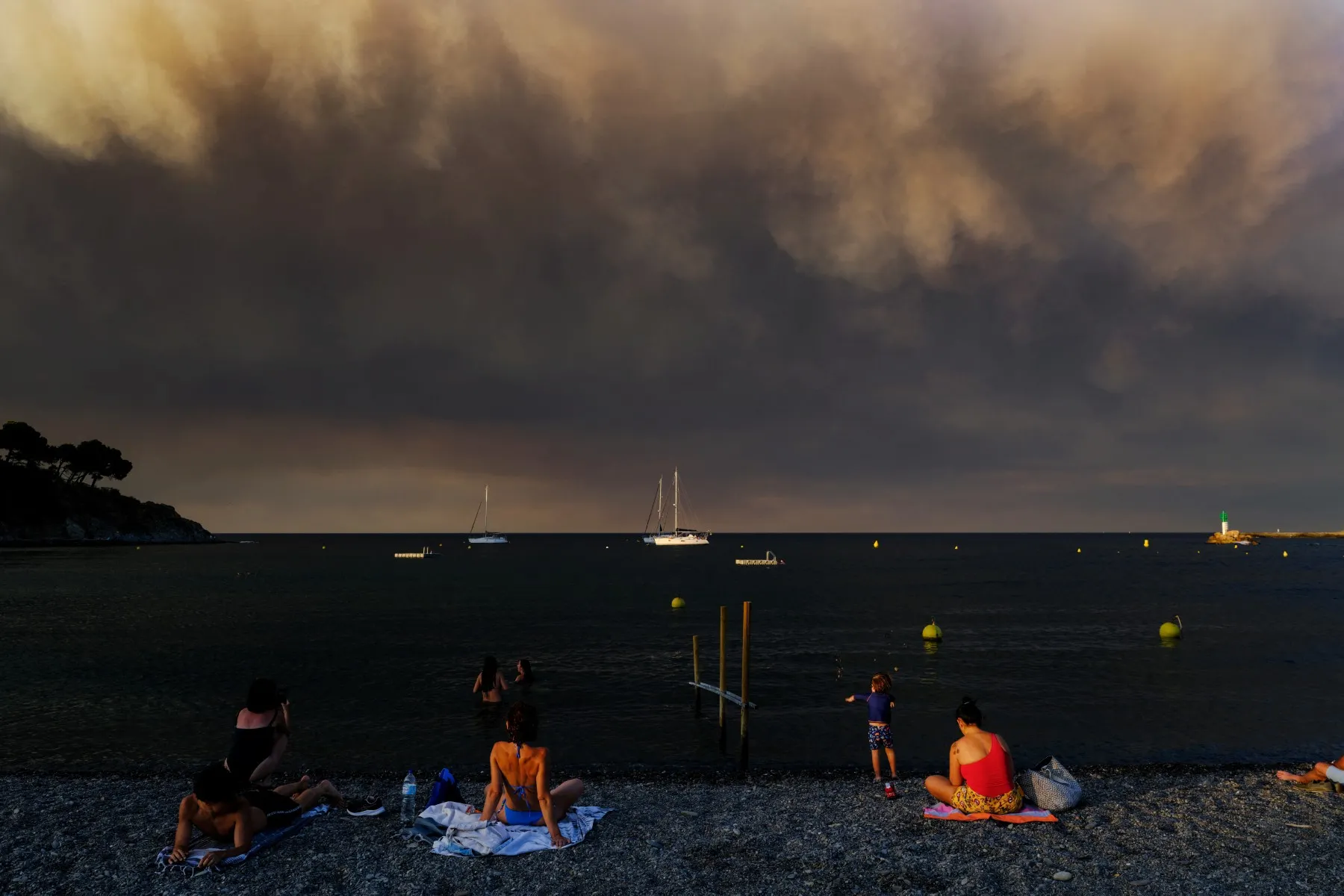
The news in Spain over the past few weeks has been dominated by a series of devastating wildfires, including Spain’s largest ever, with thousands of hectares destroyed. So, should you still come here on holiday or is it better to cancel?
Spain is currently battling to extinguish its largest ever wildfire, which has ravaged over 50,000 hectares. There are several other blazes of concern currently raging out of control, and thousands of people have been evacuated from their homes or placed under lock down.
These are not the first wildfires of the season. Spain also experienced one of its deadliest wildfires recently as 13 people lost their lives during a blaze in Los Gallardos, Almería. Currently, every few days there seem to be new blazes popping up across the country.
Although wildfires have been a regular occurrence in Spain for years, increasingly severe heatwaves linked to climate change are making fires more common and they are only getting worse.
So far this year, the area burned by wildfires in Spain this year has risen to 173,651 hectares, which is six times more than in 2025.
The wildfire season is also starting earlier and is lasting longer, and it’s not just in certain areas – many different regions are at risk.
MAP: Where are the wildfires in Spain right now?
So what happens if you have already booked a holiday here?
Spanish authorities have declared a national emergency because of wildfires in parts of the country, but there are currently no national restrictions on travelling to the country as a whole.
The UK Foreign Office does not warn against travelling to Spain in general or even to specific areas.
The U.S. Department of State maintains a Level 2 risk for Spain stating that travellers should “exercise increased caution due to crime and localised seasonal risks like wildfires”.
Regional authorities have, however, urged tourists to avoid areas where wildfires are active and also keep an eye on the news as new fires are flaring up all the time.
Spain’s State Meteorological Aemet currently lists most areas in the country at extreme or high risk, particularly because another heatwave is on its way.
READ ALSO: France and Spain race to contain ‘monster’ fires ahead of new heatwave
What’s the current situation?
As of Tuesday July 28th, the areas of particular concern where the largest wildfires are still burning out of control are the region of Madrid, Ávila and Toledo – all in central Spain – as well as Vall d’Uixó in the Valencian province of Castellón.
It’s worth noting though that the fire has not reached the capital of Madrid, and if you have a trip booked there it can likely still go ahead without a problem. The only issue might be if you had also planned to go out of the city into the countryside as there are currently restrictions in some rural and mountainous areas.
In this case you may have to cancel or change your plans.
Likewise, the fire in Toledo province has not affected the city itself.
It may be a risk, however, to travel between these locations as many roads have been cut due to the blazes and movement is restricted in several areas.
Although the situation is improving slightly in these areas and authorities believe many who were evacuated will be able to return to their homes soon, the fires still remain out of control.
Another area for concern is the fire in Castellón, which is still burning uncontrollably. The municipality of Vall d’Uixó remains confined, even though some people have been allowed to return home, so you may want to cancel your plans if you have a trip booked there, otherwise if you’re going to Castelló de la Plana city itself, you shouldn’t need to cancel.
READ ALSO: As wildfires grip France and Spain, what are the health risks from smoke?
If you’re travelling to the beach resorts in the nearby Costa del Azahar, you’ll need to keep a close eye on the situation as smoke from the fire could affect the area. People with respiratory problems may prefer to postpone their trip, and it’s advised for everyone to take an FFP2 mask in the areas affected. There may be local advice to remain indoors and keep windows closed to mitigate the effects of the smoke.
Currently, major resort areas like the Costa del Sol and the Costa Blanca are not affected, but the Costa Brava did experience a major wildfire earlier on this summer, as did parts of Almería, which are also popular with tourists.
If you’re planning to drive down to Spain via France, keep in mind that fires in the southwest of France have resulted in some motorways being temporarily cut off for vehicles, and there have also been train cancellations between Spain and France.
What happens if a fire breaks out while I’m on holiday in Spain?
It’s worth keeping in mind that the situation can change very quickly and new blazes are flaring up all the time. Just because an area is currently safe, doesn’t mean that it still will be by the time you arrive. It’s important to keep an eye on the news and check real-time maps such as this one in the run up to your holiday so you’re aware of where the fires are.
If an evacuation is required where you are, you may receive an alert message via the ES-Alert system or be told to evacuate by local officials or firefighters or – if you are staying in a hotel or campsite – by staff members.
It may be a good idea to pack a bag with essential items in it like your passport, documents and any vital medication, just in case you need to evacuate quickly.
READ ALSO: What to do and what to avoid if you see a wildfire in Spain
Can I cancel my trip to Spain?
Experts agree that if your airline cancels your flight due to wildfires then they should offer you the chance to rebook or provide a full refund.
If you have booked a package holiday to an affected area, then it’s also likely you will be able to cancel or rebook.
If you have booked everything separately though, you may need to contact each hotel and transport provider to see what their cancellation policy is.
Will travel insurance cover for wildfires?
The answer is that it greatly depends on the type of policy and coverage you have.
Chris Bose, director of general insurance policy at the Association of British Insurers (ABI) told the BBC: “If your travel plans are disrupted by a wildfire and your policy includes trip disruption cover then travel insurance may cover some of the resulting costs”.
If your insurer is from another country or you don’t know what your policy covers, it’s worth contacting them to find out.
How to find out where the wildfires are in Spain?
The Incendios Forestales en España en Tiempo Real page uses various sources including NASA satellites and local emergency service information to track forest fires.
It combines data on active wildfires in Spain and automatically updates every five minutes. The interactive map lets you search on a regional level and groups individual fires into single heat points, which are colour-coded by severity.
Google Maps
Google combines public data with satellite imagery and automated models to provide wildfire information, which is frequently updated.
The Google Maps app is accessible from both iOS and Android. You can also find it on your desktop browser at maps.google.com. Here you’ll find a layer specifically dedicated to wildfires.
To find it, simply open Google Maps and tap the layers icon. On a computer, it’s located in the lower right corner. Once it appears it will shift to the left and you’ll click on ‘Layers’. From here, click on more and then on the ‘Wildfires’ icon.


