


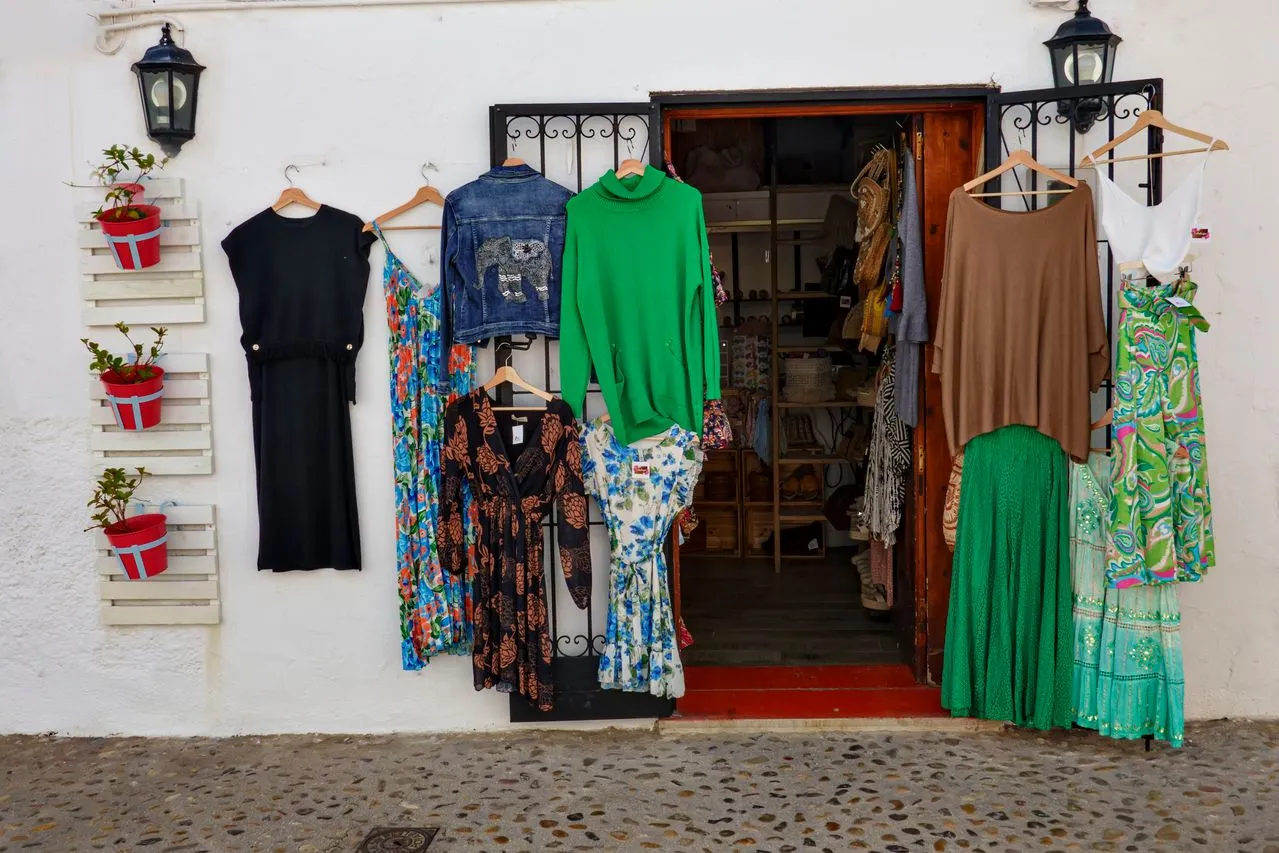
Have you been considering opening a boutique or a grocery store in Spain? A new report from the European Commission shows that Spain remains one of the EU countries where retail businesses face the most difficulties.
Let’s face it, setting up any type of business in Spain can be tough. There’s likely to be a lot more red tape than you’re used to, lots of waiting for appointments with official bodies and a complicated tax system that you need to get your head around.
Surprisingly though, setting up a retail business can be one of the most difficult of them all.
In the Spain Country Report 2026 published recently the European Commission, it was revealed that the country remains one of the EU nation where retail trade faces the most barriers.
READ ALSO: Do Spain’s self-employed pay more tax than employees?
According to the report, which is the main annual assessment of the economic, social and competition in Member States “regulatory restrictions in Spain remain low in services, but are among the highest in retail trade”.
This means that while it may be easier to set up a bar or bed and breakfast, setting up a shop is significantly more difficult.
The report measures this with its Retail Restrictiveness Indicator (RRI). While the average European score on this indicator is 1.7, Spain’s score is 2.92.
Complex authorisation procedures, heavy administrative burdens, and long processing times are the reasons that the Commission has given for Spain’s high difficulty score.
According to them, these issues mean further hurdles to overcome for operations, business investment, and market competition.
READ ALSO: What are the rules for setting up a food truck in Spain?
The report also shows the number of restrictions involved in setting up a distribution company, which has an RRI score of 2.60, compared to a European median of 1.20.
Another point highlighted by the commission are the differences in setting up businesses between Spain’s various regions. The Commission concludes that these disparities in regulations, permits, and administrative procedures increase costs, generate additional administrative burdens, hinder the activity of companies operating in several regions, and create problems for companies from other Member States wanting to operate across Spain.
It’s true that in Spain you typically need particular permits from your town hall and regional authorities or government, and each one works in a slightly different way. Therefore if you set up a business in Catalonia, you may not be able to operate in Andalusia, unless you go through all the necessary procedures there too.
The report talks about some of these differences including regional taxation, the Catalan tax on sugary drinks, labelling obligations in different languages, and conflicting information requirements related to the movement of workers.
READ ALSO: 10 apps that will help you with bureaucracy in Spain
Another concern highlighted in the report are the discrepancies with the European Single Market. It shows that Spanish regulations on packaging and waste, including labelling requirements for waste separation, force companies to specifically adapt their product labelling for the Spanish market.
According to the Commission, this means greater costs, as well as product adaptations, and introduces more challenges for companies operating across several different EU countries.
Lastly, it warns that that Spain is among the member states with the worst results in transposing directives, whereby countries convert EU directives into their own national laws.
“Regulatory barriers, such as high restrictions on retail trade, as well as the fragmentation of the internal market between regions, stifle business dynamism and, ultimately, the prosperity and incomes of workers,” the report states.
It believes that these barriers and restrictions not only hinder retail activity but also affect the economic situation of the people themselves.


