


The UN Environment Programme (UNEP) wants to close that gap. Last month it announced a new push – backed by Bloomberg Philanthropies – to help countries investigate and fix 80 per cent of major leaks detected by 2030. Currently, only 10 countries manage that.
Currently, only 10 countries have reached that level of response.
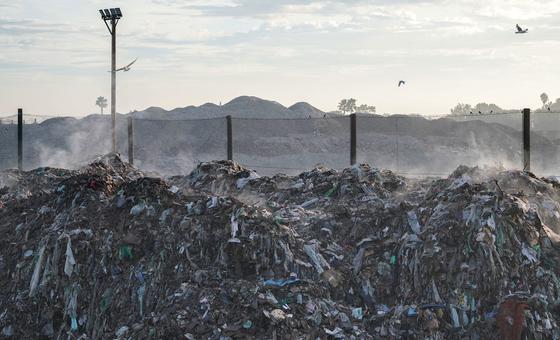
Methane is responsible for around one-third of today’s global warming. Unlike carbon dioxide, it remains in the atmosphere for a much shorter time, meaning that reducing emissions now can deliver climate benefits within years rather than decades.
“Carbon dioxide remains the principal driver of long-term warming. But it is also time to prioritize the cutting of methane,” said UN Secretary-General António Guterres. “Aggressive cuts could produce visible temperature relief within a generation.”
More than 60 per cent of methane emissions come from human activities, primarily agriculture, fossil fuels and waste, with the fossil fuel sector offering the fastest and most cost-effective opportunities for reducing emissions.
Use of alerts
UNEP’s Methane Alert and Response System (MARS) uses satellite data to identify major methane leaks in near real time and alerts governments and operators so they can investigate and fix them.
Since launching in 2023, the system has issued more than 5,000 alerts across 33 countries, helping trigger more than 40 verified repairs.
In Algeria, one alert led to the repair of a leak that had persisted for decades, delivering climate benefits comparable to removing half a million cars from the road each year.
Yet despite the technology’s success, only 13 per cent of alerts currently receive a response from the countries or operators notified.
“We can now see methane pollution as it happens, in near real time, from space” said UNEP Executive Director Inger Andersen. “With this capability, inaction is not an oversight – it is a choice.”
Faster, bolder action
The expanded programme will strengthen technical support for governments, improve access to methane emissions data and help countries build the capacity to investigate and respond more quickly.
“Cutting methane emissions is one of the most important steps we can take to tackle climate change – and one of the most simple and cost-effective, too” said Michael Bloomberg, founder of Bloomberg Philanthropies who serves also as UN Special Envoy on Climate Ambition and Solutions.
“We have the data we need to stop methane leaks, and now we are helping countries turn that data into faster, bolder action” he added.
Stronger commitment from government and operators is essential to close the response gap, and the efforts announced today are intended to ensure countries can seize this opportunity to slow the pace of climate change.


