


SUMY, Ukraine — A nightlong Russian guided bomb attack struck the northeastern Ukrainian city of Sumy, with one strike landing near a residential building. At least four people were killed and dozens injured in the attack.
“This is one of the central areas of the city of Sumy. It’s a place where people come for evening walks,” RFE/RL’s Ukrainian Service correspondent Alyona Yatsyna reported from the scene shortly after the strike late on July 3.
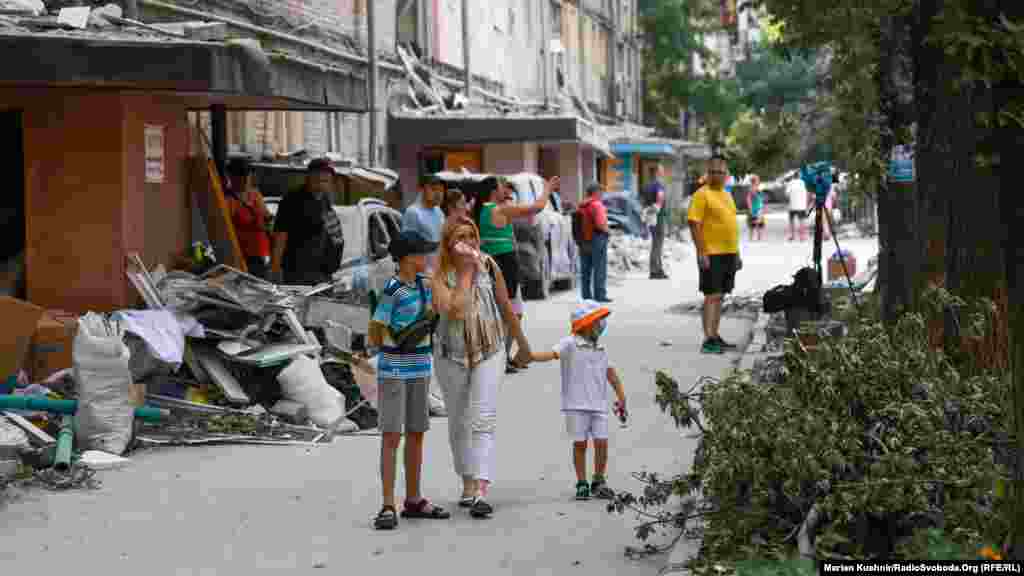
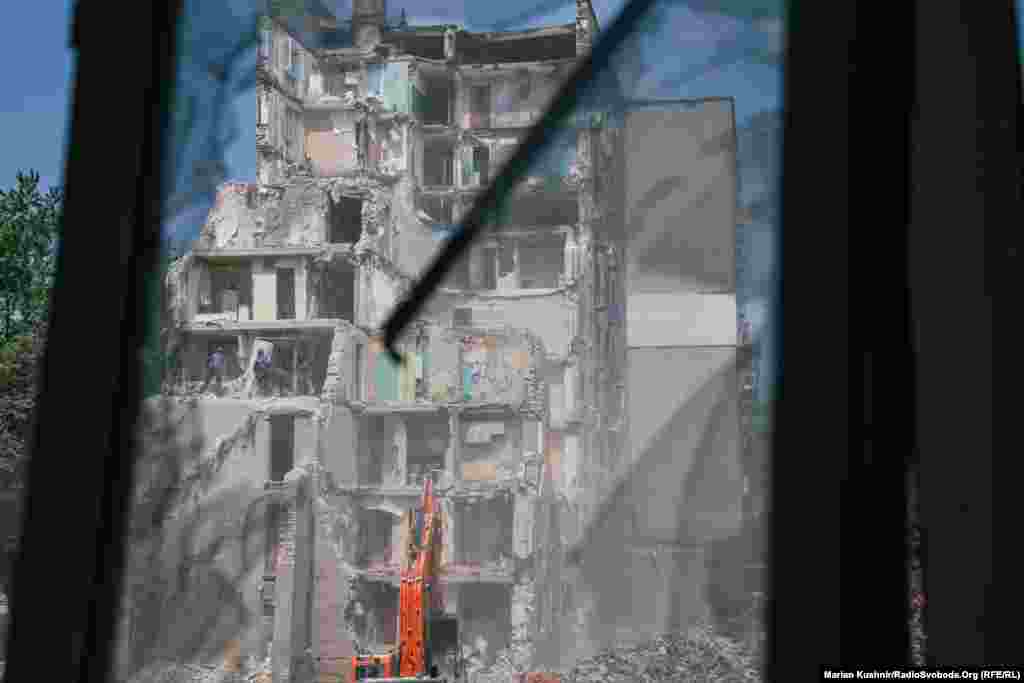
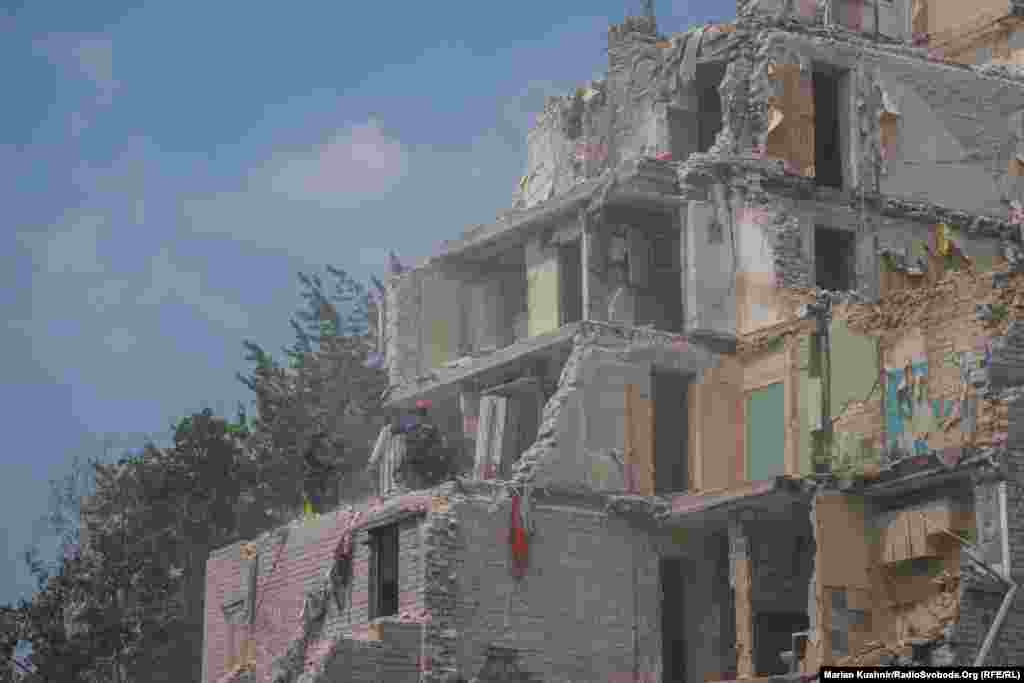
Images from the ground showed holes in the five-story building, as Regional Governor Serhiy Kryvosheyenko announced that some residents might be temporarily relocated to local dormitories.
Kryvosheyenko said a child was among those killed in the attack, adding that six more children, two of them in serious condition, were among the 27 people injured.
An air raid siren could still be heard in Sumy on the morning of July 4, with local monitoring channels reporting that Russian forces had launched Shahed drones toward the city as emergency services were still working to clear the rubble.
The shelling of Sumy came two days after a devastating Russian attack on Kyiv that killed 30 people, injured nearly 100 more, and marked the biggest assault on the Ukrainian capital this year, described by local residents as a “nightmare.”
The drone and missile strikes on the city destroyed and damaged homes and left streets strewn with shattered glass, charred trees, and burned-out cars.
Kyiv Mourns Victims Of Major Russian Drone And Missile Attack
Kyiv residents mourned those killed in a Russian overnight attack on July 2 that marked one of the biggest strikes on the Ukrainian capital this year and left at least 30 people dead and nearly 100 more injured.
Kyiv residents mourned those killed in a Russian overnight attack on July 2 that marked one of the biggest strikes on the Ukrainian capital this year and left at least 30 people dead and nearly 100 more injured.
Kyiv residents mourned those killed in a Russian overnight attack on July 2 that marked one of the biggest strikes on the Ukrainian capital this year and left at least 30 people dead and nearly 100 more injured.
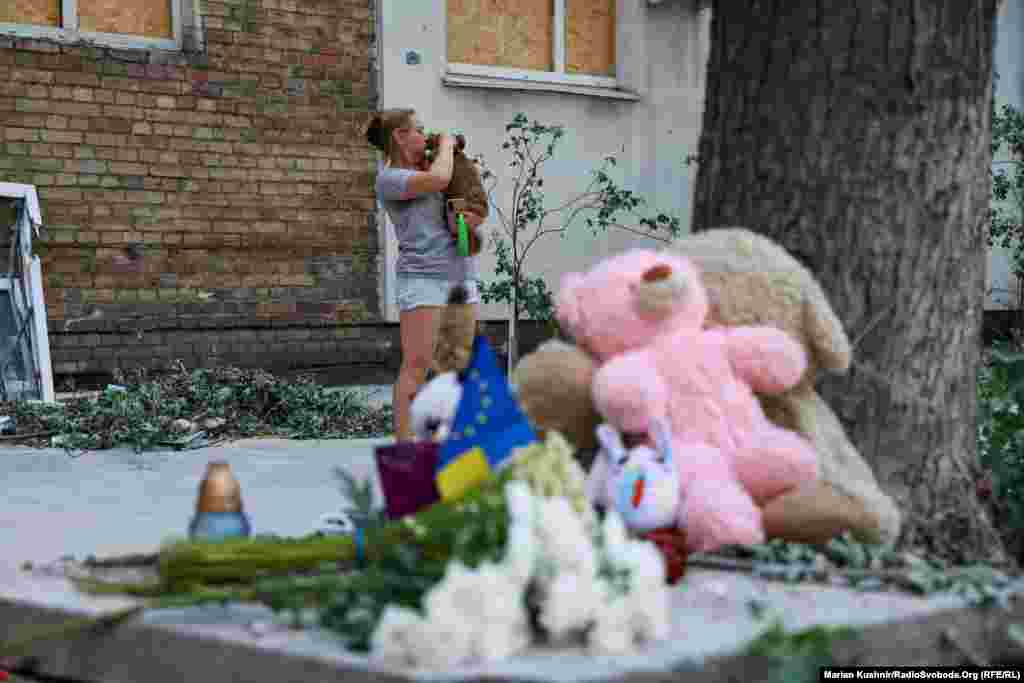
Kyiv residents mourned those killed in a Russian overnight attack on July 2 that marked one of the biggest strikes on the Ukrainian capital this year and left at least 30 people dead and nearly 100 more injured.
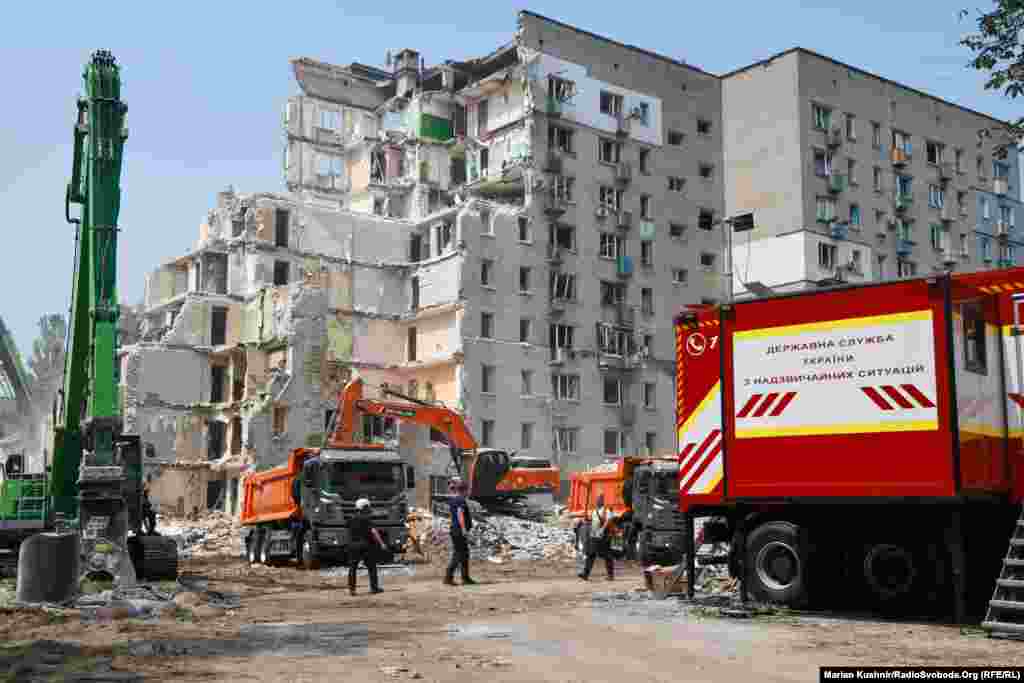
Kyiv residents mourned those killed in a Russian overnight attack on July 2 that marked one of the biggest strikes on the Ukrainian capital this year and left at least 30 people dead and nearly 100 more injured.
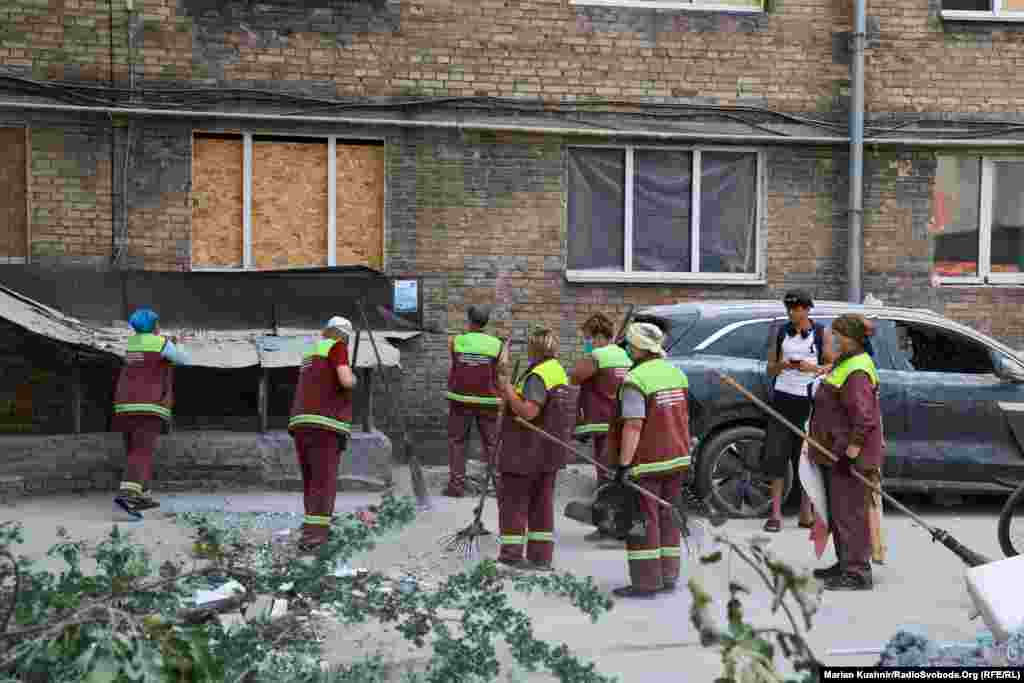
Kyiv residents mourned those killed in a Russian overnight attack on July 2 that marked one of the biggest strikes on the Ukrainian capital this year and left at least 30 people dead and nearly 100 more injured.
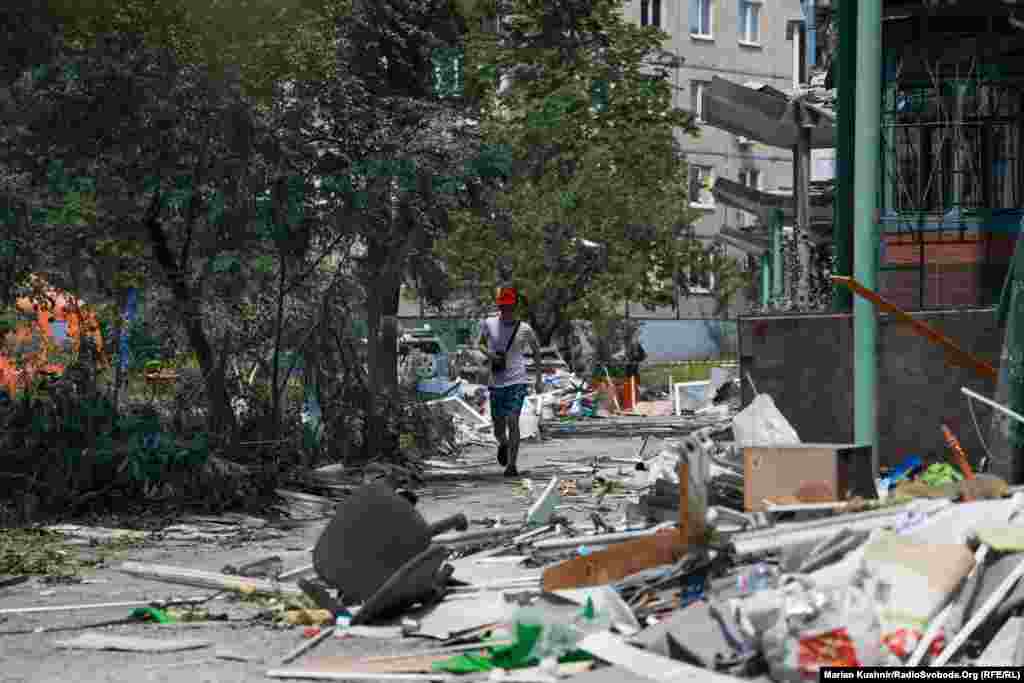
Kyiv residents mourned those killed in a Russian overnight attack on July 2 that marked one of the biggest strikes on the Ukrainian capital this year and left at least 30 people dead and nearly 100 more injured.
Following the latest attacks across Ukraine, President Volodymyr Zelenskyy called on July 4 for increased pressure on Moscow “so that this terror comes to an end.”
“Those Russia will listen to are, without a doubt, the United States, the other G7 and G20 countries, and Europe,” Zelenskyy wrote on X. He is due to attend a NATO summit in Ankara next week.
After the attack on Kyiv, Russia’s military said the assault was in response to “terrorist attacks” against Russian “civilian infrastructure,” as it came amid weeks of Ukrainian drone strikes targeting Russian oil refineries.
The campaign has caused nationwide fuel shortages inside Russia and stoked discontent among Russians who were previously largely unaffected by the country’s all-out war against Ukraine, now in its fifth year.
Zelenskyy vowed that Ukraine would respond to the latest strikes.
Early on July 4, the governor of Russia’s second-largest city, St. Petersburg, Aleksandr Beglov reported on Telegram that a major Ukrainian drone attack had targeted the area.
While Beglov’s post stopped short of saying what had been targeted in the city, some 800 kilometers north of the Ukrainian border, Russian and Ukrainian Telegram channels showed pillars of smoke rising from a local oil terminal.
The Ukrainian military later confirmed the strikes, saying they had hit St. Petersburg’s oil terminal, “one of the largest oil product transshipment terminals in the Baltic region,” as well as a Russian naval base on the island of Kronstadt in the Leningrad region.
Russia’s Defense Ministry reported that hundreds of drones were shot down by the country’s military overnight.
Diplomatic efforts led by US President Donald Trump’s administration have stalled in recent months, as Washington has focused on the war with Iran and the turmoil in the Middle East.
Kyiv and Moscow remain far apart on negotiating terms, with the Kremlin sticking to its hard-line stance and offering no compromise on its demand for full control of Ukraine’s key Donbas region in the country’s east.


