


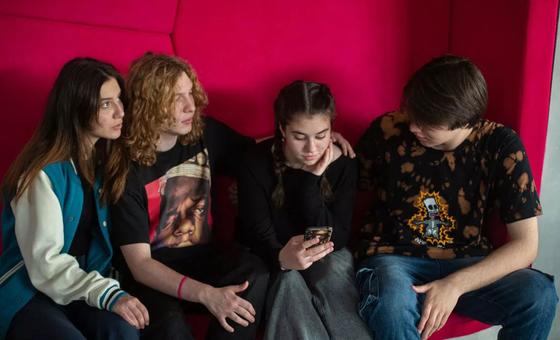
UN High Commissioner for Human Rights Volker Türk said the harms children face in digital spaces – from addictive design features to privacy violations – were not inevitable, but the result of deliberate commercial choices.
‘Addictive features’
“Online harms to kids’ safety, privacy and wellbeing result from design choices and business practices that undermine safety, including addictive design features such as infinite scroll, autoplay, and persistent notifications,” he said.
The guidelines, titled Getting Children’s Safety Online Right, come as age-based social media restrictions proliferate worldwide.
Australia barred children under 16 from platforms in December 2025, with Indonesia and Malaysia following suit, and more than a dozen other countries weighing similar moves.
Mr. Türk cautioned that such bans can be easily circumvented and risk pushing children towards riskier, less monitored spaces. “Simply limiting access to platforms that remain unsafe cannot stand as the endpoint,” he said.
Peggy Hicks, OHCHR Director of Thematic Engagement and Special Procedures, said tech companies now face a clear choice.
“Change how their platforms are designed and operated to better protect children’s rights and safety – or be forced to do so through increasingly restrictive legislation and regulatory fines,” she told reporters in Geneva.
The guidelines call for safety to be embedded into platform architecture from the outset, rather than leaving parents and children to manage risks themselves.
They also recommend mandatory child rights impact assessments, tightly regulated age verification to guard against privacy risks, and meaningful consultation with children themselves when crafting regulatory responses.
Ms. Hicks stressed that the rapidly evolving digital landscape – including the rise of AI and chatbots – made agile, evidence-based policymaking essential. “We need to collect the evidence and adapt quickly to what we learn,” she said.
The full guidelines are available from OHCHR here. A video statement by High Commissioner Türk can be viewed here.

