


More details emerge about the knife attacker in Winterthur; asylum accounts for only 14 percent of total immigration; plus other Swiss news in our roundup this Friday.
More details emerge about knife attacker in Winterthur
Described by Zurich authorities as a “terrorist act,” the perpetrator of the attack on Thursday in Winterthur – during which three people were injured -had been identified as Nesip Dedeler, a Tunisian national who had been naturalised in Switzerland in 2009.
According to the canton’s security chief Mario Fehr, Dedeler attempted to renew his Swiss passport 2024, but never completed the process.
In August of that year, he left Switzerland and went to Turkey, “disappearing for two years,” Fehr said.
Asylum seekers account for only 14 percent of total immigration
This is an important number in the context of the upcoming ‘No to 10 million’ referendum.
That’s because the move’s instigator, Swiss People’s Party (SVP), claims that masses of asylum seekers and refugees flood into Switzerland each year, taking advantage of the country’s social services and committing crimes
But based on figures from the State Secretariat for Migration (SEM) reported by RTS broadcaster, those claims are vastly exaggerated: only 14 percent of immigrants are currently asylum seekers and refugees from Ukraine.
Small Vaud community is first in Switzerland to become energy-independent
The village of Rossinière has made history on Thursday when it officially became the first Swiss community to achieve energy sovereignty thanks to its own renewable resources.
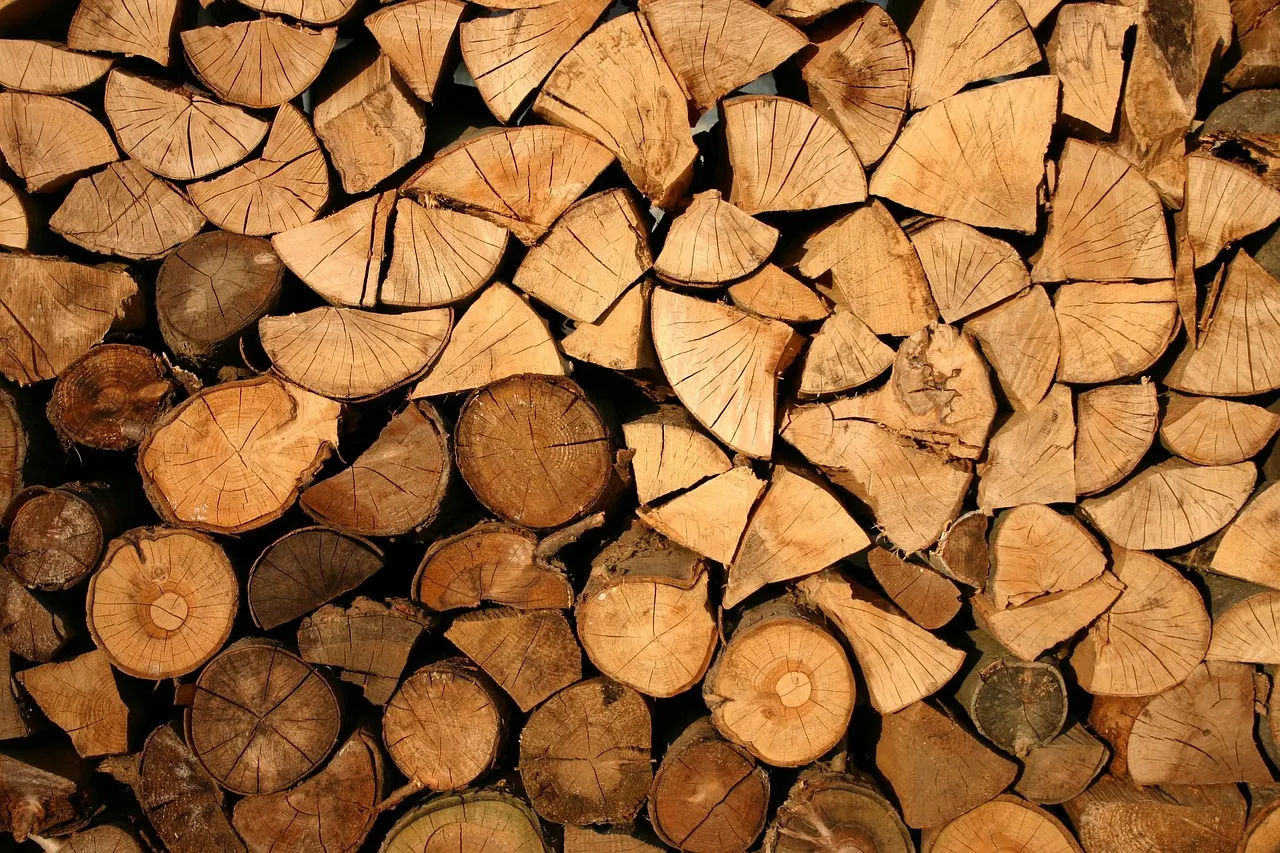
This is due to CARoss, an innovative power plant using wood from local forests to produce energy for the community’s 504 residents.
“Rossinière is a perfect example that municipalities can free themselves from fossil fuels and strengthen their energy security, all the while. supporting the local economy,” said Vassilis Venizelos, cantonal deputy in charge of the environment.
This May has been one of the hottest in 160 years
Of all the Mays since 1864, the current one will have been the fourth-warmest in Switzerland, with temperatures 1.8C above average for the month.
According to MeteoSchweiz weather service, May 2026 will also have been historically dry, with “less than 40 percent of the average May rainfall recorded.”
The weekend weather promises to be hot as well – upper 20s in all regions, and temperatures reaching 30C in Sion and Lugano.
If you have any questions about life in Switzerland, ideas for articles or news tips for The Local, please get in touch with us at news@thelocal.ch


