


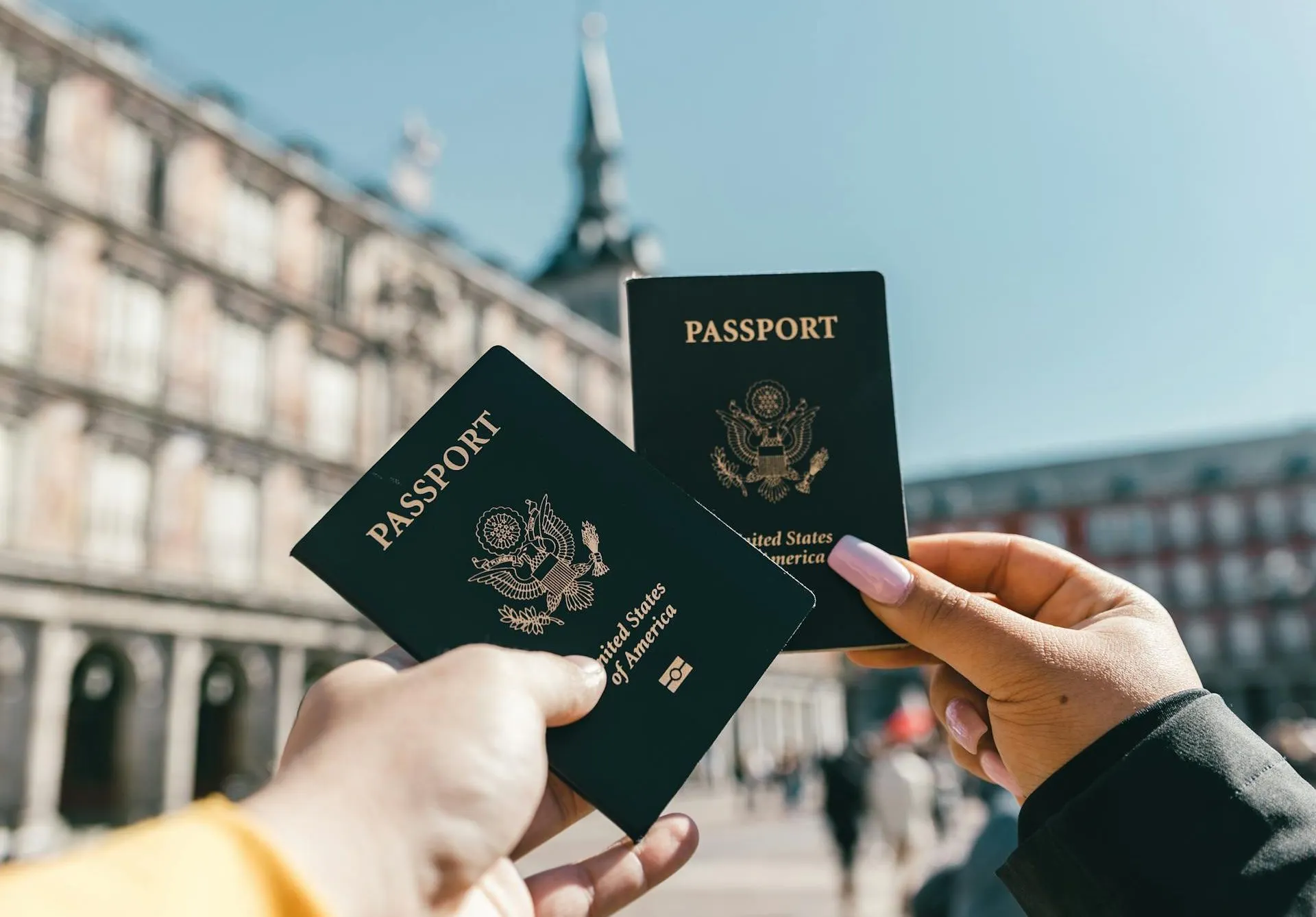
We asked our American readers what their main doubts were about Spain. From small talk to taxes, here’s what they told us.
The number of Americans visiting Europe or making the move and setting up a new life has increased markedly in the post-pandemic period.
Many chose Spain and major cities such as Madrid, Barcelona and Valencia have seen scores of Americans make the move in recent years.
You can read The Local’s monthly newsletter Americans In Spain here, where you can find all our news and essential info articles relevant for Americans living in Spain and for those who are thinking of moving here or have a second home here.
On that, we recently reached out to our American readers to see what advice, if any, they had for their compatriots thinking about coming across the Atlantic to Spain. We asked: “As an American in Spain is there one aspect of Spanish life you need The Local to help explain?”
Here’s what they told us.
READ ALSO: EXPLAINED – How Americans can move to Spain
Phil F, living in Seville, asked two rather specific cultural questions that have puzzled him about Spanish life: “How long should you talk to your neighbours when you pass them in the hallway? What time does afternoon end and evening begin?”
Similarly, Charles, resident in Muxia (Galicia), asked for some explanations on two central but (for foreigners, at least) somewhat odd Spanish customs: “Lunch time and la siesta.”
It’s these sorts of cultural differences that make moving to a new country such an experience. The Local has broken down countless cultural curiosities about Spain in our Understanding Spaniards section here, covering everything from why Spaniards are so loud to the nine unwritten rules that explain how Spain works.
READ ALSO: The Spanish cultural quirks you only notice once you live in Spain
Administrative concerns among our readers included residency cards and driver’s licences, something that can prove tricky for foreigners, often retirees, arriving in a new country and having to undertake these tasks in another language.
One anonymous Bilbao resident told us that he still had doubts about “getting an appointment for [a] residency card” – something many foreigners in Spain suffer with.
Nancy Clarneau, living in Asturias, said she needed some advice on “the full process of acquiring a driver’s licence. Also, what if I move to another region after beginning the process?”
READ ALSO: The differences between getting your driving licence in Spain and the US
Finally, far and away the most common query we get (not only in this survey but in reader comments and social media replies) was about tax. The US system in particular brings its own complications, notably on paying double tax.
Lawrence, from Vigo, felt “the most relevant issues for Americans specifically are navigating double taxation and finding financial services that will accept American clients.”
Sandra, living in Gandía, agreed on “taxation” as a common doubt among Americans, adding she’d also like some guidance on how to use the healthcare system.
Victor, in Nerja, Andalusia said he had doubts about “income taxes and details on Agencia Tributaria policy regarding taxing Social Security, Roth US tax shelter and feedback on NLV renewal requiring 183 days residency which is essentially the primary determination of its taxable status.”
“I realise The Local can’t give tax advice,” he added, “but you can report the Agencia Tributaria policy towards US citizen taxation, and their interpretation of the American-Spanish Double Taxation Treaty: not advice, rather their policy!”
Dave, living in Fuengirola, put it simply: “I find Spain’s tax system confusing. Help would be most welcome.”
Stay tuned to The Local if you’re one of our American readers, as we’ll strive to explain many of these doubts you’ve been having about in Spain in the coming months.


