


Anti-immigration initiative could create massive traffic jams in Switzerland; Geneva could prescribe cocaine to addicts; and more news in our roundup on Wednesday.
The ‘No to 10 million’ initiative could create massive traffic jams in Switzerland
This is the conclusion of a study carried out by a market research institute Ecoplan on the consequences of Switzerland leaving the Schengen area and abandoning the free movement agreement if the far-right’s bid to cap immigration is approved in the June 14th referendum.
As a consequence, border checks to and from neighbour countries could become the norm.
Today, more than 400,000 cross-border workers travel daily to and from Switzerland, mostly Geneva, Ticino, and Basel.
The study found that in those regions, even moderate border controls could cause traffic jams stretching for kilometres. During peak hours, waiting times of well over an hour at border crossings are conceivable, with these traffic jams affecting urban areas as well.
Geneva could start prescribing cocaine to addicts
The crack cocaine outbreak in Geneva in 2021 had led to violence, antisocial behaviour, and a sense of insecurity in the city’s Grottes district – which still remains an issue today.
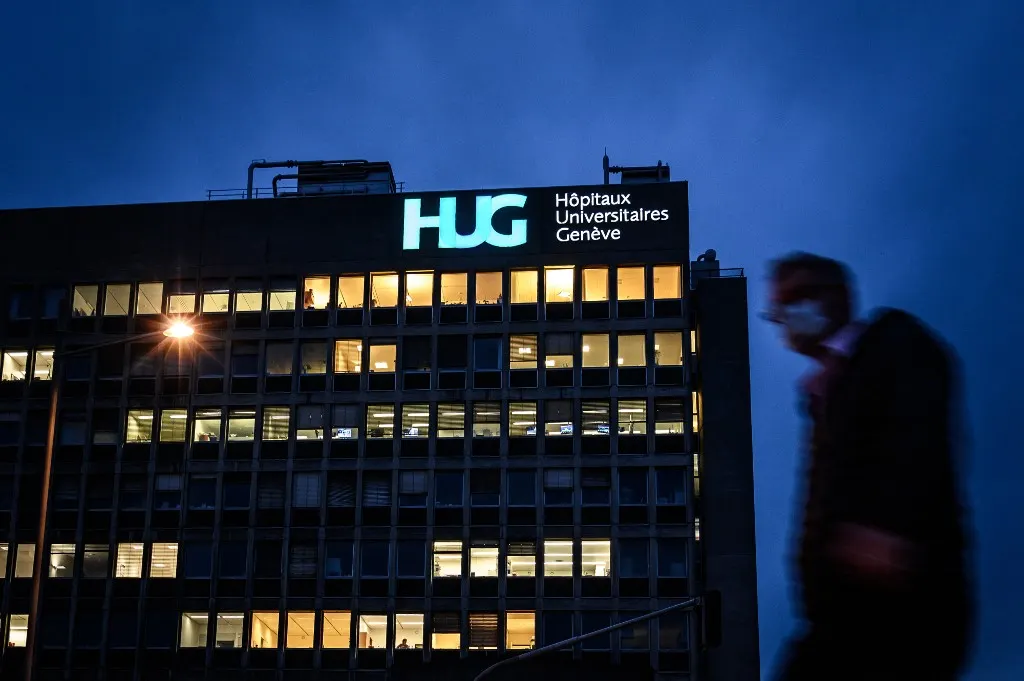
To address this problem, Daniele Zullino, the head physician of the Addiction Service at Geneva University Hospitals (HUG), is advocating for a groundbreaking pilot project: prescribing cocaine to users under medical supervision.
The current policy of prohibition is showing its limitations, so new approaches to care must be explored, he said.
This programme would be based on the heroin prescription model, which has already proven successful.
READ MORE: What is Switzerland’s heroin distribution programme?
Government wants to reduce advertising for unhealthy foods
The Federal Food Safety and Veterinary Office (BLV) has presented a proposal on Tuesday to representatives of the food industry to limit advertising of foods that are high in salt, sugar, and fats.
This measure is particularly needed for adverts aimed at young children.
“Self-regulation must be implemented across the entire sector and cover all advertising channels that allow targeted advertising to children under 13, whether online or offline,“ the BLV said.
More Swiss are in favour of closer ties with NATO
Residents of Switzerland feel less safe than ever before, according to a new study carried out by the Center for Security Studies at the ETH in Zurich.
It found that 86 percent of respondents view the development of the global political situation over the next five years pessimistically – 5 percent more than in 2025 .
Furthermore, at 82 percent, the general feeling of security is at its lowest level in 20 years.
If you have any questions about life in Switzerland, ideas for articles or news tips for The Local, please get in touch with us at news@thelocal.ch


