


Keystone-SDA
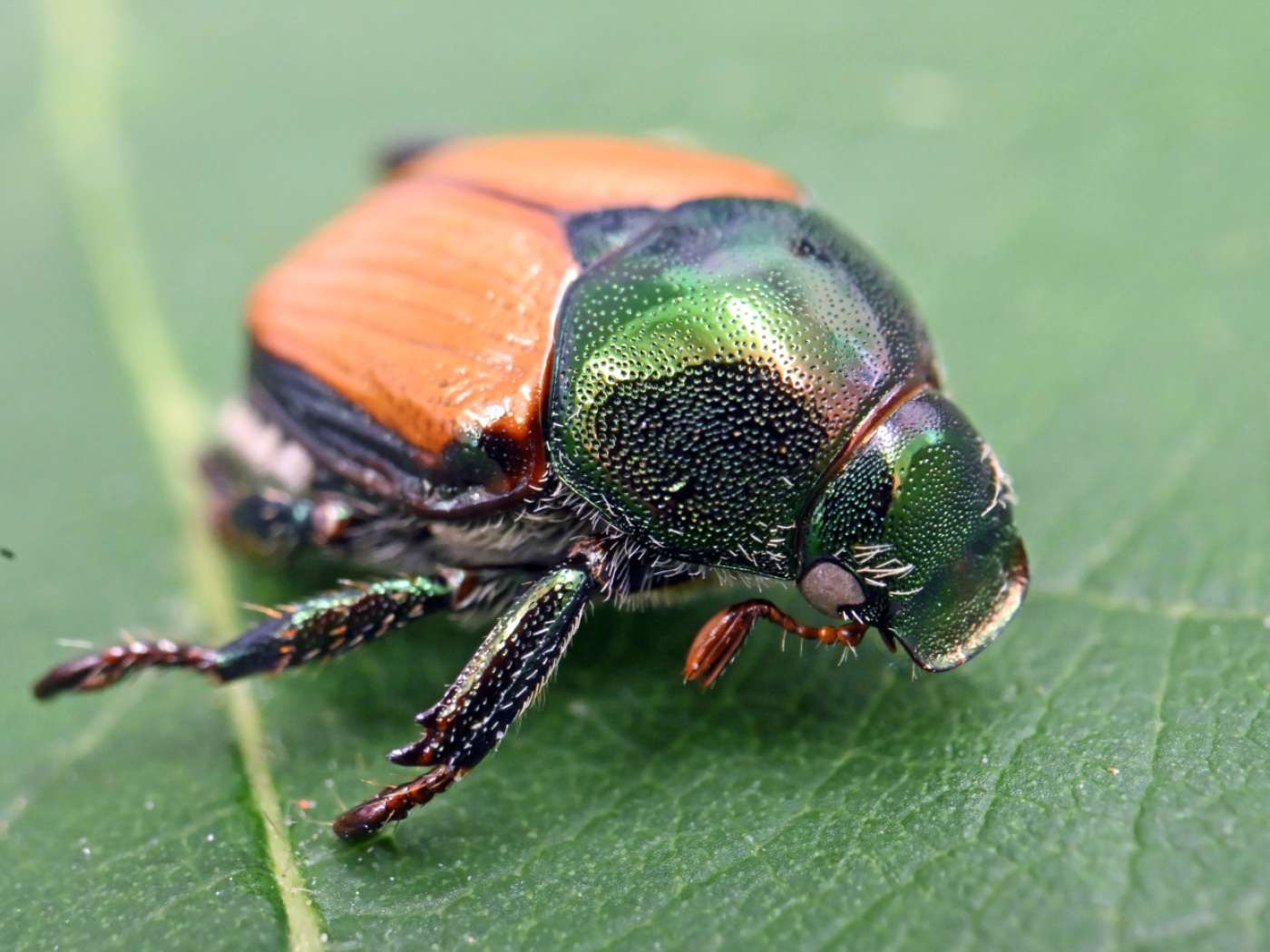
Travellers are being asked to check their cars and luggage for the invasive beetle when returning from certain areas in Switzerland and abroad.
The Federal Office for Agriculture (FOAG) announced that it is launching a campaign today to raise awareness among citizens and travellers. The aim is to encourage vigilance and slow the beetle’s spread. The awareness campaign will take place along north-south routes, at railway stations and freight terminals, in the tourist regions of Ticino, and online.
+Get the most important news from Switzerland in your inbox
The Japanese beetle often arrives unnoticed in vehicles or in luggage from infested areas to new regions. The infested areas include the entire canton of Ticino, parts of Graubünden and Valais, as well as the northern Italian regions of Lombardy and Piedmont. There were also major infestations in the cantons of Basel and Zurich in 2025.
“While eradication of the Japanese beetle is no longer possible in certain areas, the measures taken by the cantons and industry experts have proven effective in slowing its further spread. This slowdown is crucial to minimising damage north of the Alps, where the Japanese beetle is only found sporadically. Now, however, the support of the entire population is needed,” said the campaign press release.
More
More
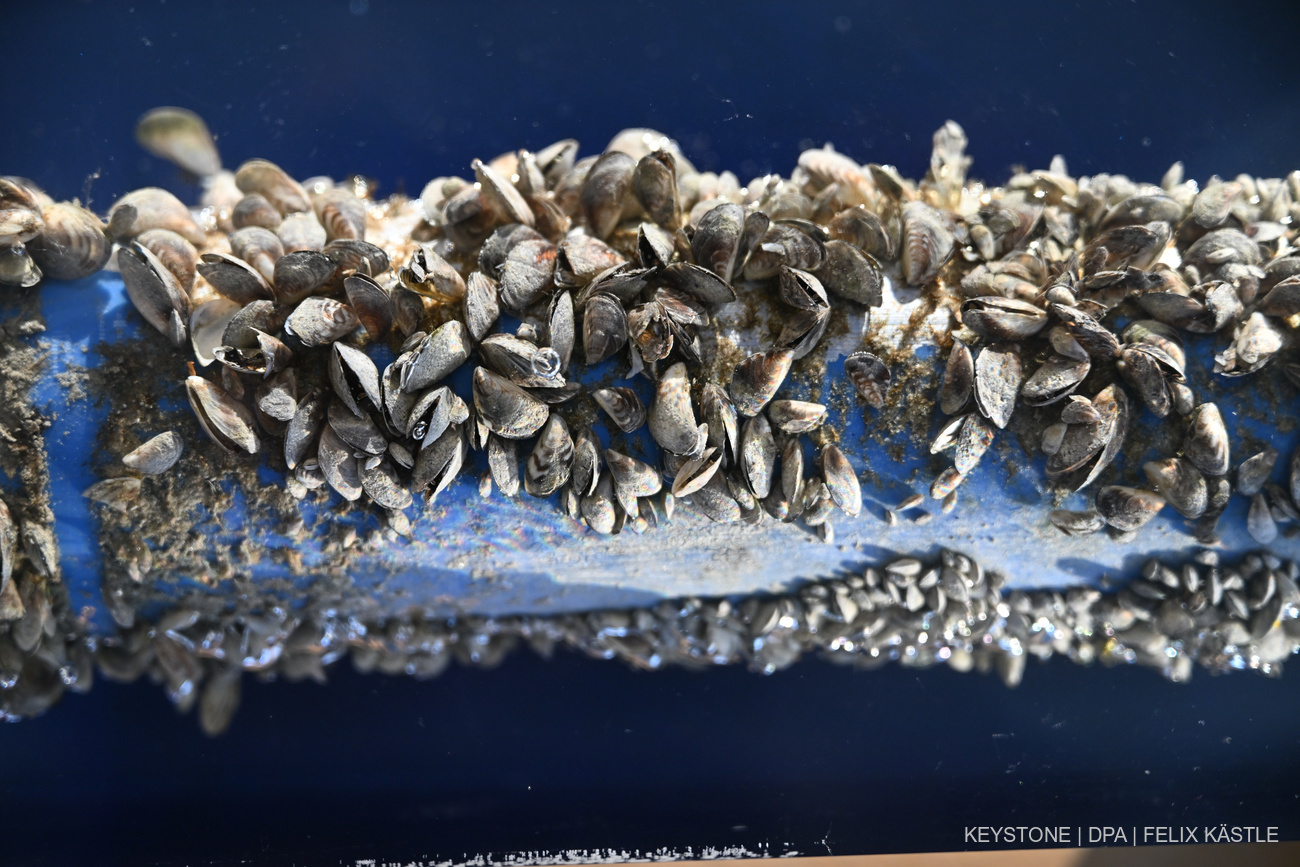
Can the spread of invasive quagga mussels be stopped in Switzerland?
The Japanese beetle attacks leaves, fruits and flowers of over 400 plant species. Its larvae also damage the roots of lawns. If found, the beetles should not be taken home. They must be captured, neutralised and reported to the cantonal plant protection service.
Adapted from German by AI/ac
We select the most relevant news for an international audience and use automatic translation tools to translate them into English. A journalist then reviews the translation for clarity and accuracy before publication.
Providing you with automatically translated news gives us the time to write more in-depth articles. The news stories we select have been written and carefully fact-checked by an external editorial team from news agencies such as Bloomberg or Keystone.
If you have any questions about how we work, write to us at english@swissinfo.ch.


