


WHO: 10,000 attacks on clinics and aid workers in ten years
Keystone-SDA
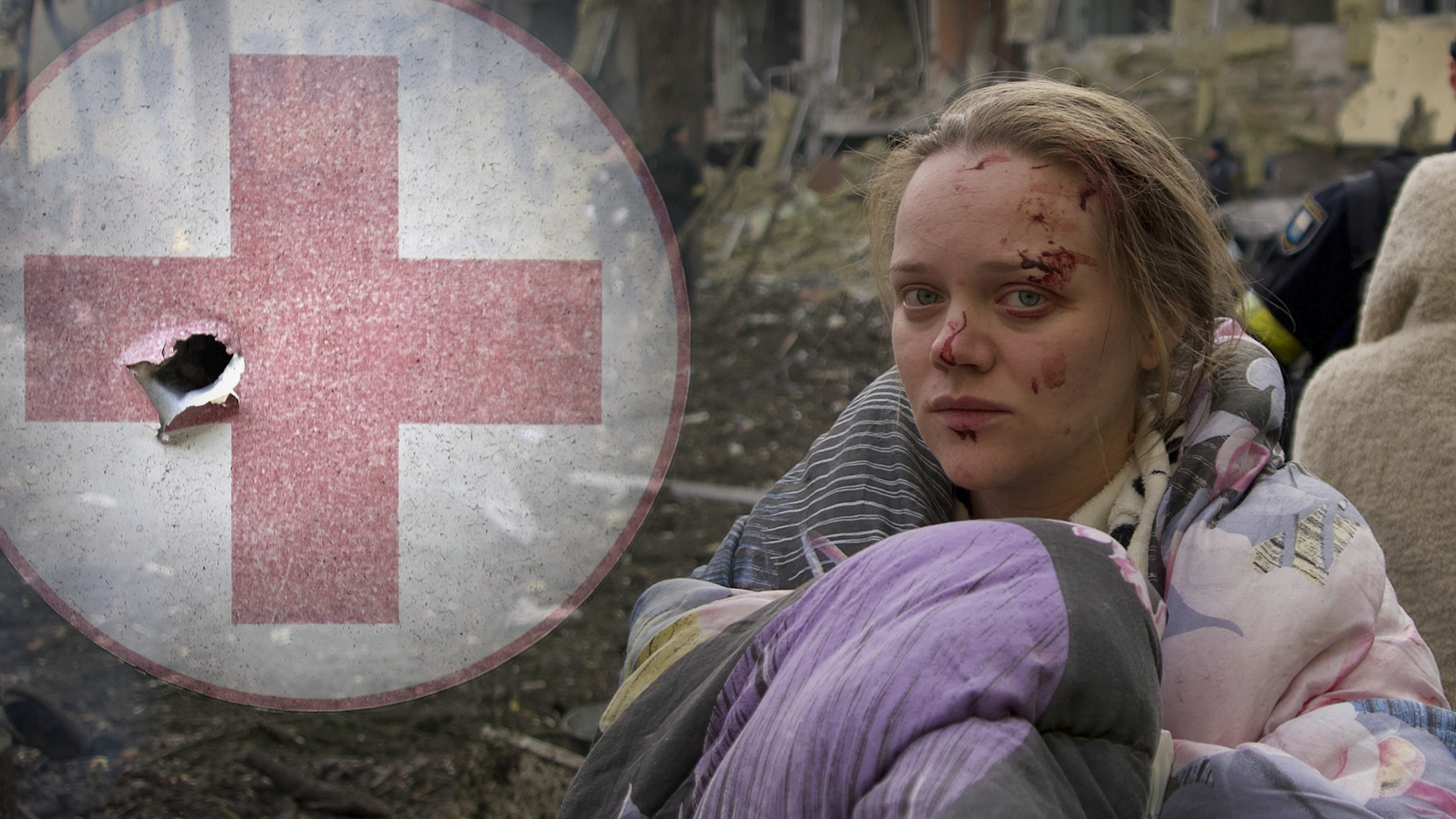
The United Nations and aid organisations have documented almost 10,000 attacks on healthcare facilities and personnel in just over ten years. This assessment was published as part of the 10th anniversary of UN Security Council Resolution 2286.
+ Get the most important news from Switzerland in your inbox
With resolution 2286, the international community committed itself to protecting medical and humanitarian personnel as well as their infrastructure, means of transport and equipment.
“States have failed in their obligation,” said Michael Keeffe from the International Committee of the Red Cross (ICRC). Javid Abdelmoneim, International President of Médecins Sans Frontières (MSF), has seen a sharp increase in attacks over the past two years. “What was once considered an exception has now become the norm.”
Around 5,200 deaths among healthcare workers
The World Health Organisation (WHO) has recorded and verified almost 10,000 attacks in a database since 2015, as well as around 5,200 deaths of healthcare workers and almost 8,000 injuries in 26 countries and territories. In the first few years, however, the data was still sparse. The WHO still assumes that the true figure is significantly higher because not all countries are able to systematically record cases.
According to the report, there were around 1,400 attacks last year. Almost 2,000 people were killed, around twice as many as in the previous year. The organisations make no distinction as to whether a clinic or a paramedic was specifically attacked or whether they were hit as collateral damage during an attack on another target.
What applies in the event of attacks
The obligations arising from the resolution and international law are clear, said ICRC lawyer Supriya Rao. “If a clinic or ambulance is in the vicinity, an attack is only justified in the rarest of cases. If there is reason to believe that an enemy is using a hospital as a hideout, it is also necessary to weigh up how much damage an attack would cause to bystanders”.
More
More
ICRC president: humanitarian law is violated ‘every day around the world’
According to the ICRC, there is an increasing lack of political will to honour commitments. Time and again, attacks are justified on the grounds that healthcare staff are “supporting the enemy”, said Keeffe. However, people who help the wounded should always be protected, regardless of which side of a conflict they may be on.
Who is responsible for attacks
“What is particularly alarming is that states themselves are increasingly responsible for this violence,” says MSF. According to ICRC figures, around 85% of attacks are not carried out by rebel groups, but by state armies.
The ICRC calls on states with influence on conflict parties to urge them to comply with international humanitarian law and Resolution 2286. Neither the ICRC nor MSF name individual countries.
Translated from German by AI/jdp
We select the most relevant news for an international audience and use automatic translation tools to translate them into English. A journalist then reviews the translation for clarity and accuracy before publication.
Providing you with automatically translated news gives us the time to write more in-depth articles. The news stories we select have been written and carefully fact-checked by an external editorial team from news agencies such as Bloomberg or Keystone.
If you have any questions about how we work, write to us at english@swissinfo.ch.


