


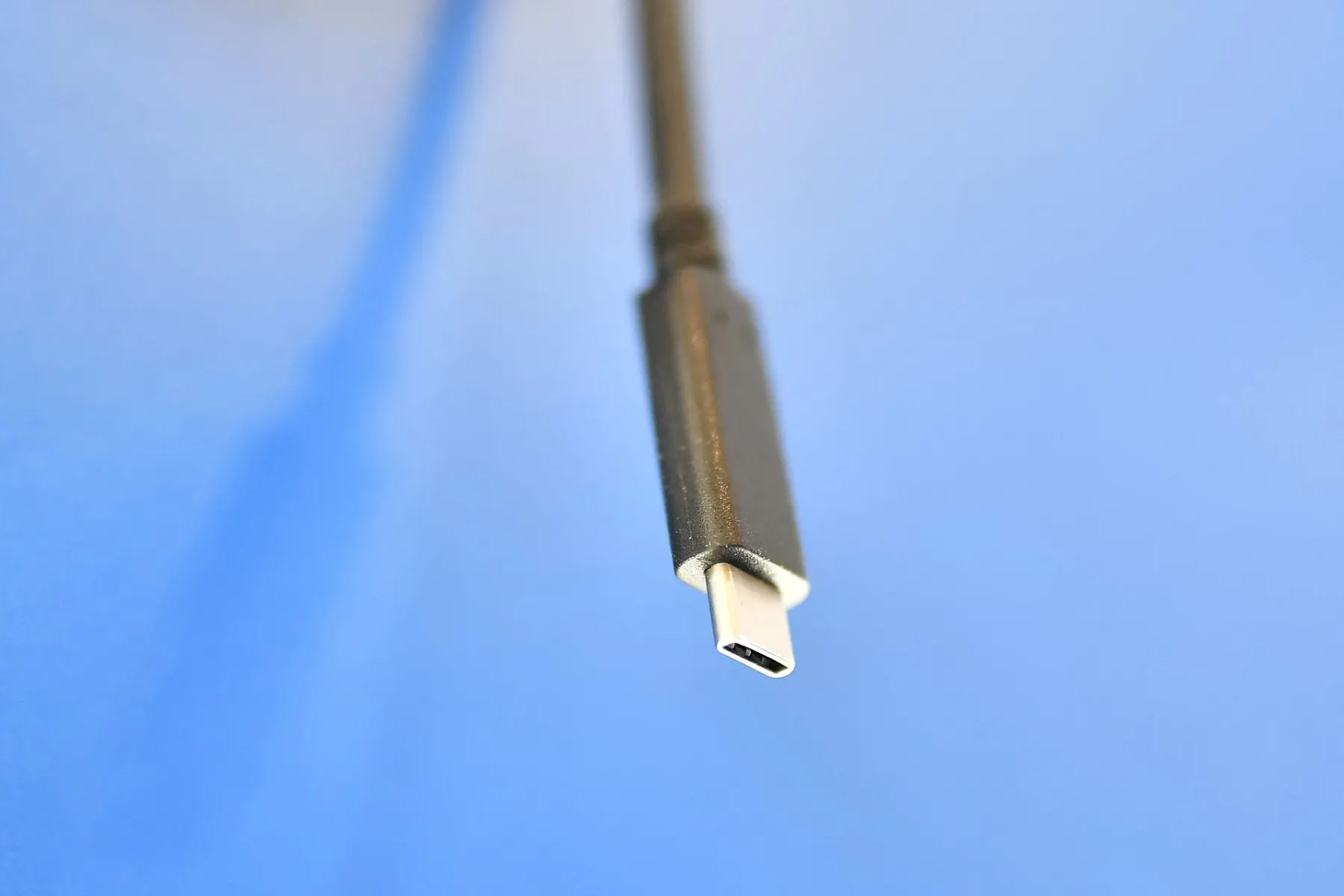
After standardising chargers for mobile phones, from Tuesday new computers sold in EU countries must also use the USB-C charging point, as the latest phase of EU anti-waste legislation comes into force.
All laptop computers now sold in the EU, regardless of the brand, must be equipped with a USB-C charging port, following an EU directive from September 2021.
In reality, most laptops sold in Europe in recent years have had the USB-C charging point, in anticipation of the changes, but from April 28th 2006 it is illegal to sell new computers in EU/EEC countries without this type of port.
This does not affect computers that are sold second hand.
April 28th is the EU-wide deadline, but some countries have implemented their own earlier deadlines.
“This practical, economical, and environmentally friendly measure will make life easier for the French and reduce their environmental impact,” stated the French Ministry of Economics and Finance on its website, announcing its start date of April 26th.
“This will prevent up to 11,000 tons of electronic waste each year and save individuals €250 million by eliminating the need to purchase unnecessary chargers.”
For small and medium-sized devices like smartphones, tablets, headphones and earphones, video game consoles, cameras, speakers, e-readers, keyboards, portable navigation systems – this rule has already been in effect since December 2024.
Some exceptions
This rule only applies to computers “with a power rating of 100 watts or less,” said the European Commission. This effectively excludes certain gaming devices or some professional solutions that may require more power for optimal performance.
Advertisement
However, this exception might not last long. The Commission is closely monitoring the technical developments of USB-C (capable of delivering up to 240 watts) to eventually require these machines to comply with the same regulations.
An exemption for devices already available on the European market will also enable the second-hand market to keep selling computers with different chargers. As was the case for smartphones in 2024, the rule will simply prevent resellers from importing non-compliant products and offering them for sale in EU countries for the first time.
Removable batteries
Standardising the charging points – meaning that a single charger can be used for multiple different electronic devices – is part of EU legislation aimed at reducing waste.
The next stage comes into effect in 2027 – from this date all phone manufacturers will be required to install removable, and therefore more easily replaceable, batteries in any mobile phone sold in the EU.
From February 18th 2027, manufacturers will be required to integrate removable batteries into their phones. Smartphones must have easily replaceable batteries using simple tools, without requiring after-sales service.
These batteries must also retain at least 80 percent of their capacity after 800 charge cycles. Furthermore, essential components must be delivered quickly and remain available for up to seven years after the product launch.


