


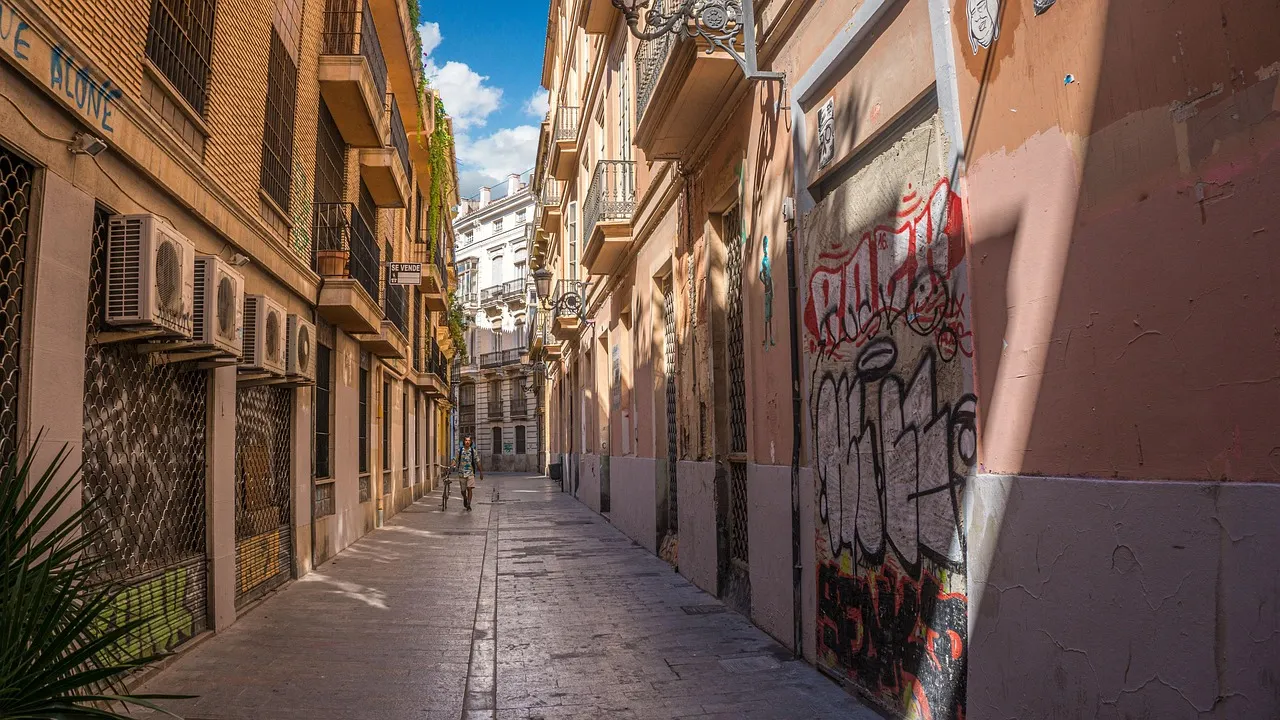
The ruling partially overturns a ban on certain types of licences for new tourist accommodation in the Mediterranean city.
A Valencian court has overturned a ban on new tourist accommodation licences in the city.
The moratorium, unanimously approved by Valencia city council in 2024, halted the granting of licences for new tourist accommodation in the city and has now been overturned by the High Court of Justice of the Valencian Community (TSJCV).
This comes after the court partially upheld an administrative appeal lodged by an apartment management company, overturning the suspension of new so-called ‘change-of-use’ permits for new tourist accommodation.
The ruling, however, upheld the suspension of building licences for new properties.
READ ALSO: Valencia to stop issuing licences to Airbnb-style lets as rents soar past €1,000
Valencia city council is reportedly considering lodging an appeal with the Supreme Court, as it believes the Valencian High Court’s ruling “upholds” the measure, though there is a “discrepancy” regarding “interpretation” rather than “substance”.
According to municipal sources cited by Spanish media, the aim is “to defend the full validity of the plenary agreements and consolidate the framework of urban planning regulations for tourism that this city needs and that residents are calling for”.
READ ALSO: €190K to €370K – Property prices in Spain’s Valencia double in six years
The licence suspension was first passed in 2024 in response to soaring numbers of tourist flats in the Mediterranean city and subsequent market prices rises amid dwindling supply.
The regional capital has seen major property market inflation in the post-pandemic period, with purchase prices near doubling and rents skyrocketing by as much as 75 percent in six years.
The council previously set out several limits to try and control the proliferation of Airbnbs and tourist accommodation. The total number of beds in tourist accommodation, apartments or hotels must not exceed 8 percent of the city’s registered population; they must also not exceed 2 percent of the housing stock in each neighbourhood; and that ground floor tourist flats must be limited to 15 percent per block.
The council also implemented a crackdown on illegal or unlicensed tourist accommodation with some success, and closed down over 1,000 illegal tourist flats in the city in 18 months.
Advertisement
According to the TSJCV, the court annulled the ban because it referred to a legal provision – Article 68.1 of the Consolidated Text of the Law on Land Use Planning, Urban Planning and Landscape – which did not permit the adoption of that measure.
“The provision did not, therefore, include in the original text either the suspension of the processing and granting of change-of-use licences, or the suspension of the validity of declarations of compliance, which were added to the aforementioned Article 68.1 in the amendment introduced by Decree-Law 7/2024″, states the ruling.
Put simply, the council based its decision on a reform that had not yet been approved by the regional government.
The court did, however, refuse to overturn the suspension of the processing and granting of building permits for new hotel-related commercial uses in the eastern city.


