


Sudan conference: pressure for an end to the humanitarian catastrophe
Keystone-SDA
On the third anniversary of war in Sudan, Switzerland has announced an extra CHF23 million in humanitarian aid to help the region’s population.
+Get the most important news from Switzerland in your inbox
As the bloody civil war in Sudan enters its fourth year, representatives from the United Nations, Europe, Africa and the United States attended a third international Sudan conference in Berlin.
The Swiss parliament previously approved a CHF50 million credit for Sudan aid at the end of last year. The government said these funds have been spent and so released an additional CHF23 million for 2026.
More

More
Impunity is stalling all peace efforts in Sudan. Can it end?
“Switzerland’s support focuses on securing food supplies and livelihoods, the protection of the civilian population and peacebuilding,” it stated in a press release.
Since the outbreak of the war, Switzerland has given around CHF213 million to support the population in Sudan and neighbouring countries.
At the Berlin conference on Wednesday, UN Emergency Relief Coordinator Tom Fletcher called for “a clear vision for the future of Sudan”. He spoke of a test for the international community.
The Sudanese people must not be left in the lurch any longer, Fletcher demanded. “Peace work is complex and requires patience, but it is not rocket science.”
More than 11 million displaced
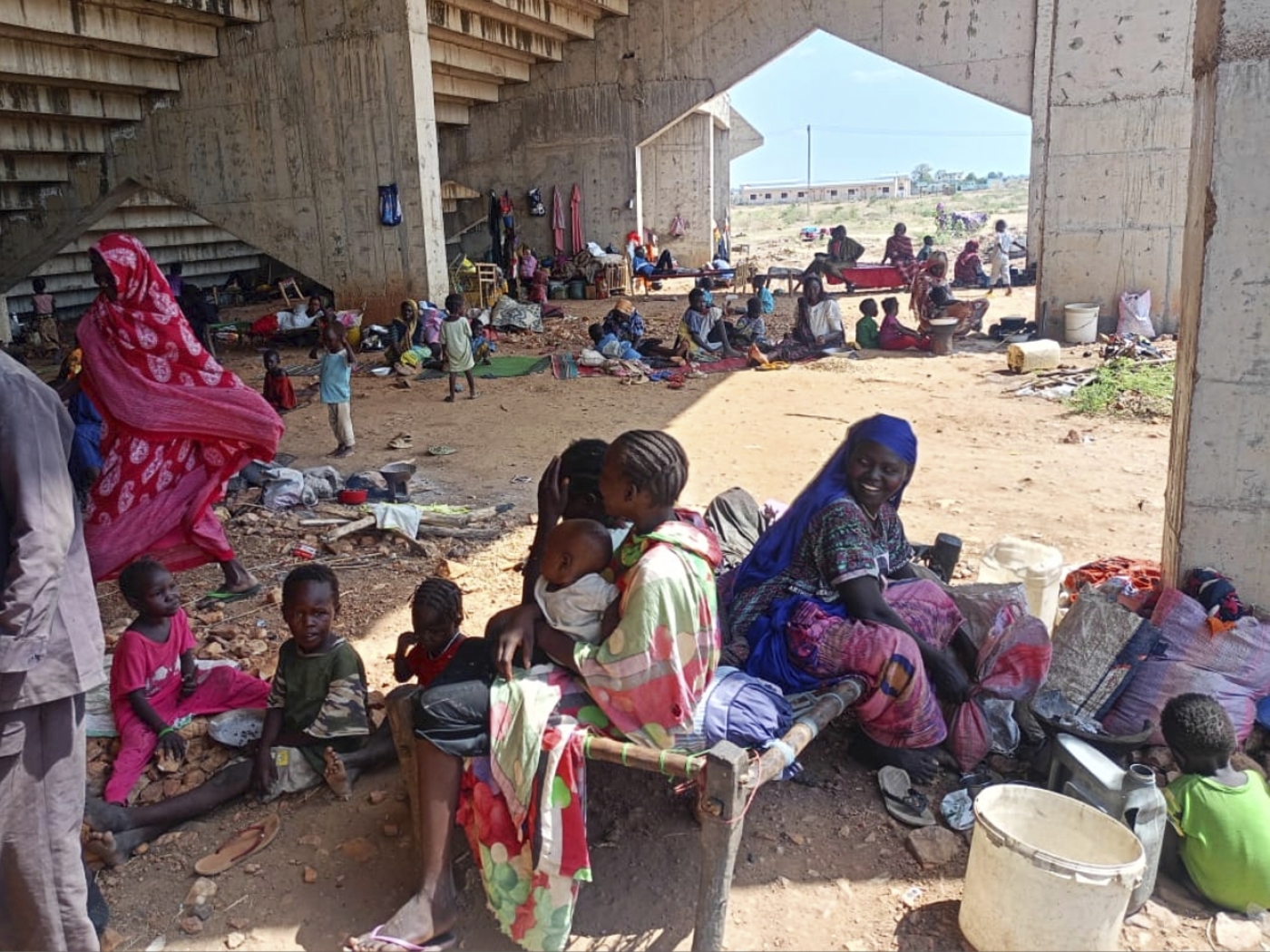
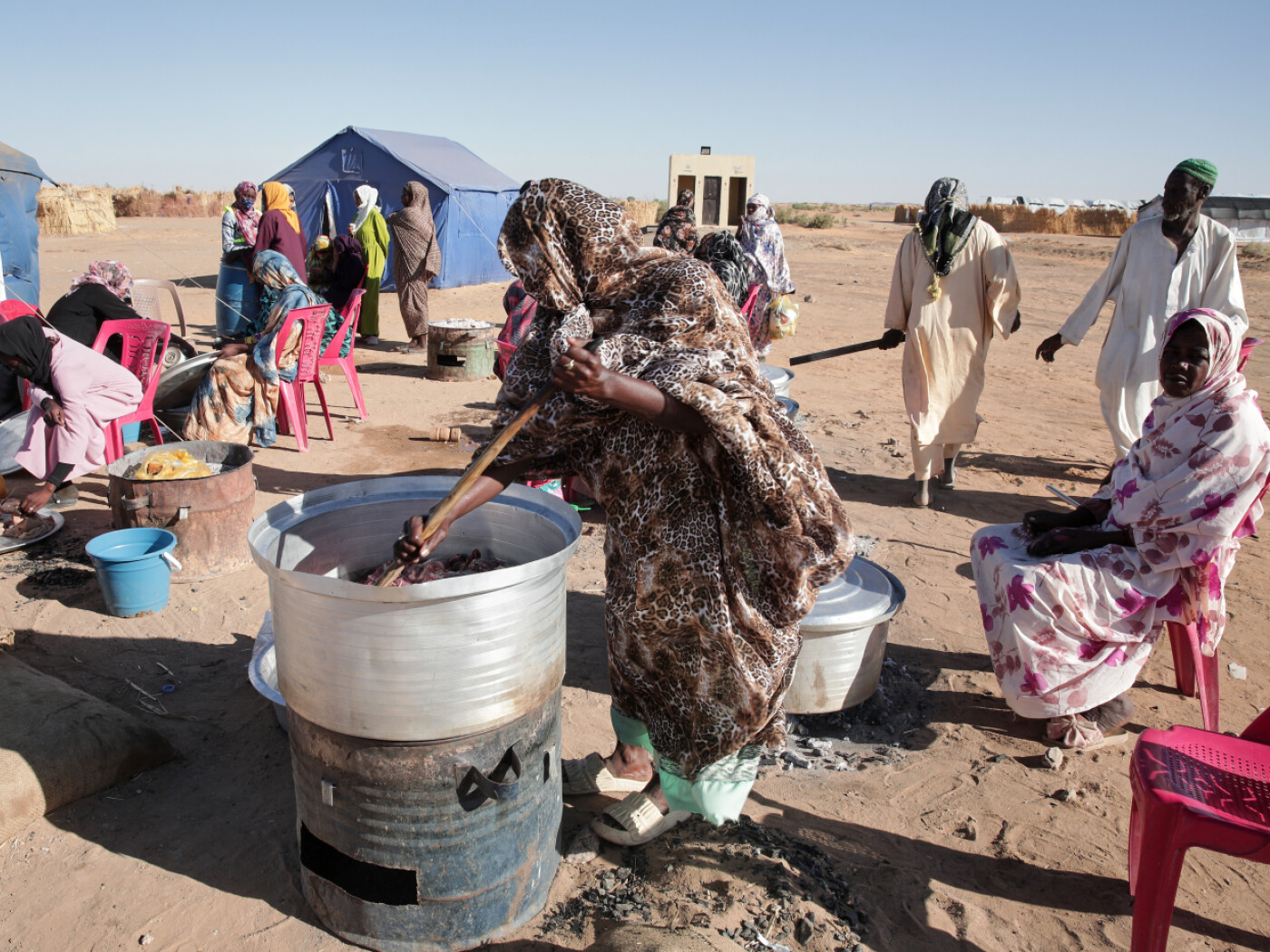
The power struggle between two generals has brought terrible suffering to the civilian population in Africa’s third-largest country: 11.6 million people are currently on the run, there is hunger in many cities, massacres and massive sexual violence. The UN is currently talking about the biggest humanitarian disaster in the world. The main issue in Berlin was the financing of humanitarian aid.
More
More
Switzerland joins calls for humanitarian protection in Sudan
Fletcher said he was bringing with him “the frustration, anger and despair of a population that has experienced so much suffering”. There is “too much sexual violence against women and girls, too many deaths from drone attacks by international actors, too much neglect and apathy on the part of the international community”.
What is needed is an end to the supply of weapons and drones by supporters of the warring parties, which are killing so many Sudanese as well as humanitarian aid workers.
War of the generals
The civil war began three years ago, on 15 April 2023, and since then the government army SAF of de facto ruler Abdel-Fattah al-Burhan and the militia RSF under Mohamed Hamdan Daglo have been fighting for supremacy in Sudan. The two had once jointly seized power when Daglo was al-Burhan’s deputy.
Mahmoud Ali Youssouf, Chairman of the Commission of the African Union (AU) regional organisation, said: “The Sudanese actors are destroying their country. They are losing entire generations of Sudanese.”
Call for ceasefire
Like the UN Special Envoy for Sudan, Pekka Haavisto, the US government’s advisor for African and Arab countries, Massad Boulos, called for an immediate humanitarian ceasefire. This should be accepted immediately without preconditions so that a political transition could be worked on, said Boulos.
Several conference participants spoke in favour of involving Sudanese civil society in the talks on the country’s future – and a new democratic beginning. Part of the conference in Berlin is a platform for consultations between representatives of civil society, who are to work out a plan for a civilian instead of a military government for the country.
Volker Türk, the UN High Commissioner for Human Rights, called for the investigation of atrocities in the civil war to be referred to the International Criminal Court. An arms embargo for the whole of Sudan, not just the Darfur region, is “extremely important”.
The civil war is also about spheres of influence: It is considered indisputable that the RSF receives support from the United Arab Emirates (UAE). The government troops, in turn, are supported by neighbouring Egypt and Saudi Arabia.
Hope for extensive aid
Following meetings in Paris and London, the Sudan conference in Berlin was organised by Germany together with the UK, France, the US and the European and African Union. Aid pledges totalling around €2 billion euros were made in Paris and around €1 billion in London.
The aim in Berlin was to exceed the funds from the previous conference in London, said German Foreign Minister Johann Wadephul on Deutschlandfunk radio.
He called on the international community to step up its commitment to ending the conflict. “This major humanitarian catastrophe in Africa must not be forgotten,” said Wadephul. The conference would not be the solution to the conflict, but could make a substantial contribution to ensuring that the associated human catastrophe was recognised.
Katharina Dröge, head of the German Green Party parliamentary group, told the German Press Agency (dpa) that even if important financial pledges were now coming from Germany, this should not hide the fact that the government of Chancellor Friedrich Merz had more than halved its funding in this area – including for Sudan. “In view of the catastrophic situation on the ground, this is contradictory and irresponsible.”
British foreign secretary Yvette Cooper announced new aid totalling around €168 million. According to its foreign minister Espen Barth Eide, Norway intends to provide €42 million. But the UN says that only 16% of the aid money for Sudan has been secured so far this year.
More
More
Switzerland releases further CHF50 million Sudan aid
Adapted from German by AI/mga
We select the most relevant news for an international audience and use automatic translation tools to translate them into English. A journalist then reviews the translation for clarity and accuracy before publication.
Providing you with automatically translated news gives us the time to write more in-depth articles. The news stories we select have been written and carefully fact-checked by an external editorial team from news agencies such as Bloomberg or Keystone.
If you have any questions about how we work, write to us at english@swissinfo.ch


