

Dr. Mohamed Shareef Asees – PhD in Global Studies; MA in International Relations; BA in Political Science; based in Berlin, Germany
1. One Month into the War: Questions about Direction
One month into the conflict, attention is gradually shifting away from immediate battlefield developments toward a more difficult question: what were the real objectives of this war, and how far have they actually been achieved?
In the early stages, political messaging from the United States and Israel highlighted clear strategic goals, including weakening Iran’s regional influence, reducing its military capabilities, and improving long-term security in the Middle East. In some discussions, broader aims such as limiting Iran’s geopolitical reach and reshaping regional power dynamics were also mentioned.
However, as the conflict continues, there is growing uncertainty about whether these objectives are being achieved in practice. While official statements often present a narrative of progress and success, the situation on the ground appears more complex and unfinished.
The gap between political messaging and measurable outcomes is becoming more visible over time. Rather than a short and decisive campaign, the conflict now appears to be evolving into a longer and more uncertain confrontation, where even the final objectives are still being shaped.
2. What Was the Objective, and Has It Been Achieved?
From the beginning, one of the key questions surrounding this conflict has been the actual objective of the United States and Israel. Much of the public discussion has focused on limiting Iran’s military capabilities, especially its missile and drone systems, as well as reducing its influence in the region through allied networks.
In more political debates, the idea of regime change has also occasionally been mentioned as a possible long-term outcome. However, most serious policy analysis has long pointed out that a direct political collapse in Iran would be highly complex and uncertain, given the country’s strong institutions and deep regional connections.
After one month of conflict, there is still no clear evidence of any fundamental political change inside Iran. Its state institutions remain in place, and governance continues to function. Even under pressure, the system has shown continuity rather than breakdown.
At the same time, available military assessments suggest that while Iran may have suffered damage to certain assets, its overall missile and drone capabilities remain largely intact. Because of this, it is difficult to argue that the core objectives either major military degradation or political transformation have been achieved. Instead, the conflict now appears to be developing into a longer and more complex strategic confrontation, where outcomes are still partial and contested.
3. Iran’s Political and Military Resilience
One of the key features of this conflict is the resilience of Iran’s political and military system. Unlike states that depend heavily on a single leader or a highly centralized structure, Iran operates through multiple layers of political institutions, military organizations, and regional networks. This makes the system more stable under pressure.
Even when individuals are removed or targeted, the system is designed to continue functioning through replacement and institutional continuity. In this way, it is able to absorb shocks without collapsing. From a military perspective, Iran has also developed asymmetric capabilities, including missile forces, drone technology, and regional partnerships. These are not primarily designed for traditional battlefield superiority, but rather for deterrence and sustained pressure over time.
Together, this political structure and military strategy make rapid breakdown unlikely. Instead, they create a situation in which neither side can easily achieve clear or decisive dominance.
4. From Political Objectives to Strategic and Economic Pressure
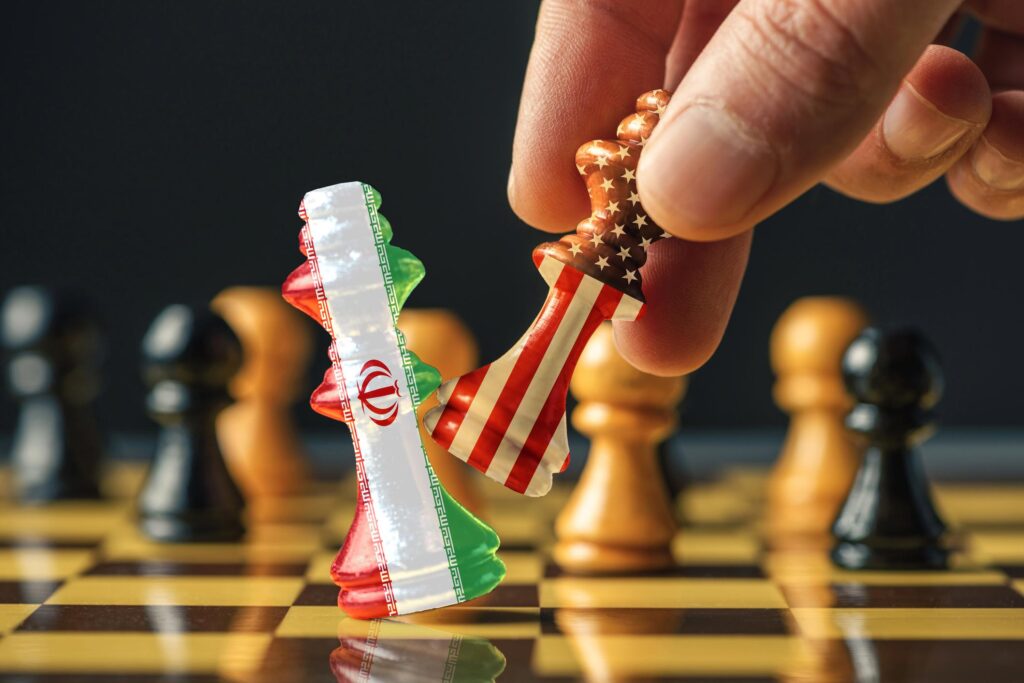
As the conflict has developed, the focus seems to have shifted away from immediate political change toward longer-term strategic pressure and regional containment.
A key factor in this shift is the Strait of Hormuz, one of the world’s most important energy routes. Any escalation in this area would not only affect the region directly, but also have wider global consequences, especially for energy markets and trade stability.
This shows that the conflict is no longer being seen only as a direct military confrontation. Instead, it is increasingly shaped by economic pressure, strategic positioning, and long-term geopolitical competition.
For Iran, sustaining pressure over time may also serve a strategic purpose: increasing the cost of prolonged confrontation for its opponents. Rather than aiming for a quick resolution, the conflict environment itself becomes a tool for influencing negotiations and regional calculations.
From this perspective, the war is gradually turning into a long contest of endurance, where economic and political pressure can be just as important as military outcomes.
5. Competing Narratives and Questions of Military Credibility
Alongside developments on the battlefield, another important struggle is taking place, this time in the world of information and narratives.
Governments and political leaders often present strong claims about military success, technological superiority, and control of operations. These messages are widely shared through official channels. At the same time, they are often questioned or reinterpreted by independent analysts, media reports, and international observers.
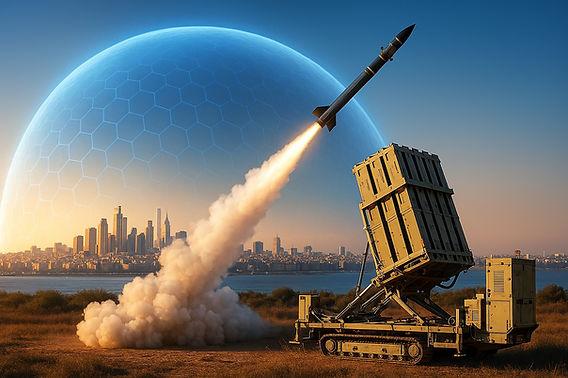
This becomes especially visible in discussions about advanced military systems such as F-35 fighter jets, missile defense systems like Iron Dome, and naval assets such as aircraft carriers. When incidents involving these systems are reported, explanations can vary widely from technical problems and operational mistakes to broader debates about vulnerability and strategic limits.
This difference in interpretation reflects a larger reality of modern conflict: information itself has become part of the battlefield. How events are described can be just as important as the events themselves. Perception and credibility now play a central role in shaping how conflicts are understood around the world.
At the same time, questions about security guarantees and regional protection commitments are becoming more prominent. When powerful states position themselves as providers of regional security, any perceived weakness or limitation in their military systems naturally raises broader questions about trust and reliability in international relations.
6. Who Really Pays the Price?
While strategic and military narratives dominate public discussion, the most profound consequences of the conflict are experienced far from political centers of decision-making.
Civilians remain the most affected group in any prolonged conflict. Even when they are not directly involved in fighting, they live under conditions of uncertainty, instability, and fear. Daily life becomes increasingly unpredictable, and long-term planning becomes difficult or impossible.
One of the most significant consequences is displacement. Individuals and families are often forced to leave their homes under pressure, creating long-term humanitarian and social challenges. Displacement is not only a physical relocation but also a disruption of social networks, livelihoods, and community identity.
In addition, the psychological impact of prolonged conflict is severe. Continuous exposure to insecurity, loss, and instability affects mental health across entire populations. Children are particularly vulnerable, as their education, emotional development, and sense of security are directly shaped by the environment in which they grow up.
Public systems such as healthcare and education also come under strain during prolonged crises. Even when these systems remain operational, they often function under reduced capacity, limited resources, and increasing demand. This creates long-term developmental challenges that extend far beyond the immediate conflict period.
At a broader level, prolonged conflicts also influence global political and economic dynamics. They can shift alliances, reshape regional relationships, and alter perceptions of power and security. Over time, these changes contribute to a gradual transformation of the international order.
In this context, the concept of “winning” or “losing” becomes increasingly difficult to define in simple terms. While states may claim strategic or military success, the lived reality of conflict is marked by disruption, loss, and resilience among civilian populations.


