

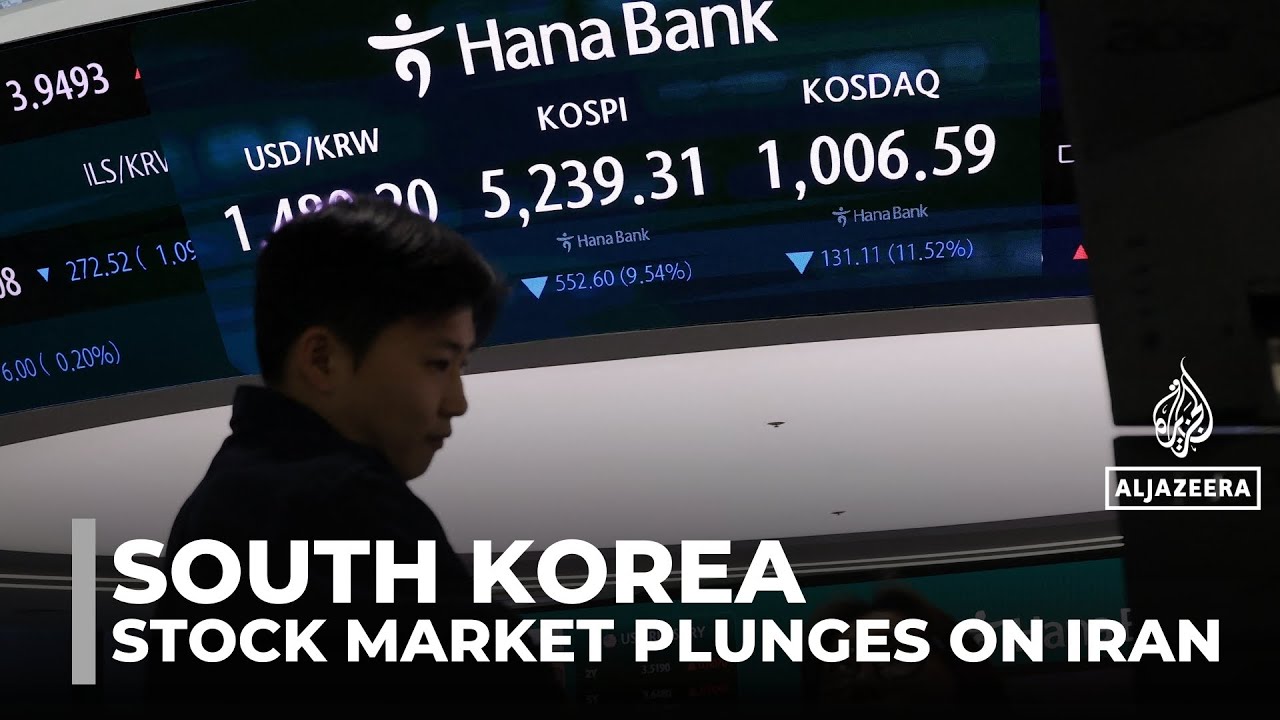
Asia’s stock markets declined sharply, with South Korea experiencing a 12% plunge—its worst since the pandemic—and Thailand facing its biggest sell-off. Concerns over an oil shock and escalating Iran tensions are fueling fears that these conflicts could harm the region’s economies. South Korea’s currency also hit a 17-year low amid these uncertainties.
Rising Oil Prices and Stock Market Declines in Asia
Oil prices are steadily increasing as Asian stock markets continue to decline, with South Korea experiencing a sharper plunge than during the 2008 global financial crisis. This sharp decline is largely due to the region’s heavy dependence on Middle Eastern crude oil imports, making the economies vulnerable to ongoing conflicts in the Middle East. If the war persists, South Korea’s economy could face severe deterioration, already evidenced by long queues at fuel stations.
Economic Risks and Government Responses
The international situation has caused concerns over fuel shortages and rising costs, especially as Asian countries do not produce sufficient oil domestically. The rising dollar exchange rate adds to the worry, leading to increased fuel prices and economic strain. Governments are trying to reassure their populations, with some nations stockpiling oil reserves to mitigate short-term disruptions. South Korea and Japan are actively working on diversification strategies to reduce dependency on Middle Eastern oil.
Global Implications and Future Outlook
A disruption in the supply chain, particularly if the Strait of Hummer remains closed, could significantly impact global inflation and economic growth. Alternative oil supplies will likely be more expensive due to soaring shipping costs. China has been pressing Iran to reopen key maritime routes, which could ease supply pressures. However, a prolonged conflict may deepen economic pain in Asia, underscoring uncertainties ahead as global tensions and energy prices remain volatile.


