


Spain is well known as a gastronomical destination famous for its jamón, tortilla and paella, but it is also home to a few stranger foods that you might not have heard of.
Callos – Tripe stew
Callos – which can also mean calluses in Spanish like the ones you get on your hands and feet – is an animal tripe stew served up in many Madrid bars (where it’s called callos a la madrileña) and contains chickpeas, blood sausage, tripe and peppers.
 Nothing is spared when it comes to callos in Spain. Photo: Javier Lastras/Wikipedia (CC BY 2.0)
Calçots – Catalan green onions
Catalan-speciality calçots are more unusual for the way they are eaten than for how they taste. You ingest these giant spring onions by peeling the charred outer layer off first, dipping them in a sauce and then holding them up in the air before lowering them slowly into your mouth.
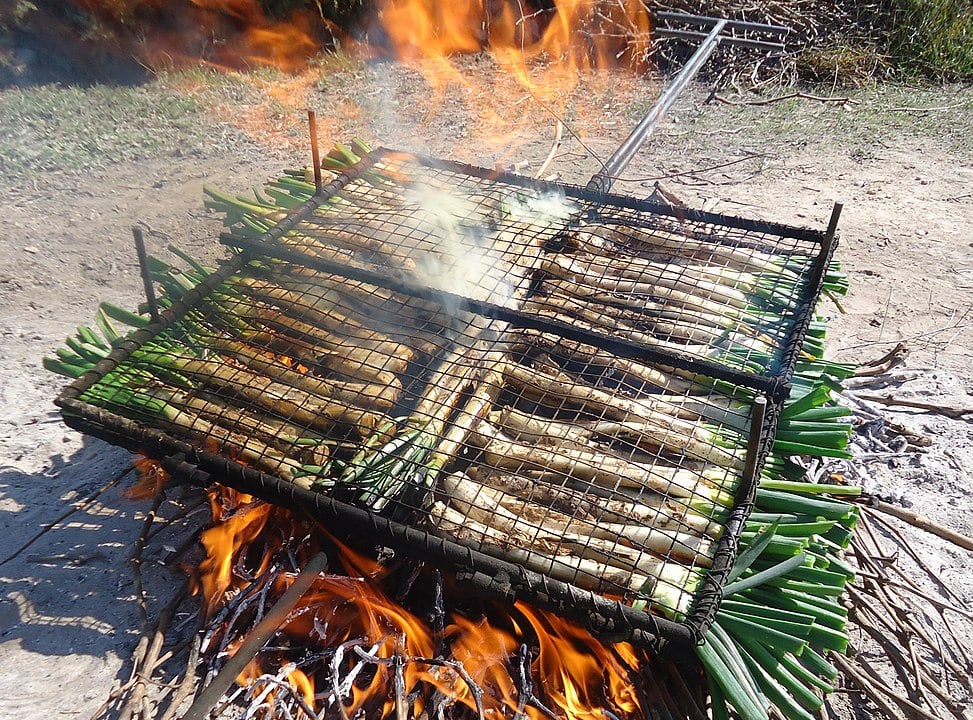 When Catalans gather to eat calçots, they have a ‘calçotada’. Photo: Silvia Martín/Wikipedia (CC BY 2.0)
Percebes – Goose barnacles
Percebes are a delicacy in Spain that can cost up to €150 a kilo. You eat these creepy crustaceans by sucking them out of their shell, and they are particularly popular in Galicia and the Basque Country in northern Spain.
 Expect to pay a lot for percebes in Spain because goose barnacle fishing is a dangerous job. Photo: José Antonio Gil Martínez/Wikipedia
Oreja de cerdo – Pig’s ear
Oreja de cerdo is a very popular tapa in Spain. The chewy cartilage is served roasted or boiled in a cocido or stew, or it can also grilled or fried (known usually as oreja a la plancha) in spices until it is slightly charred.
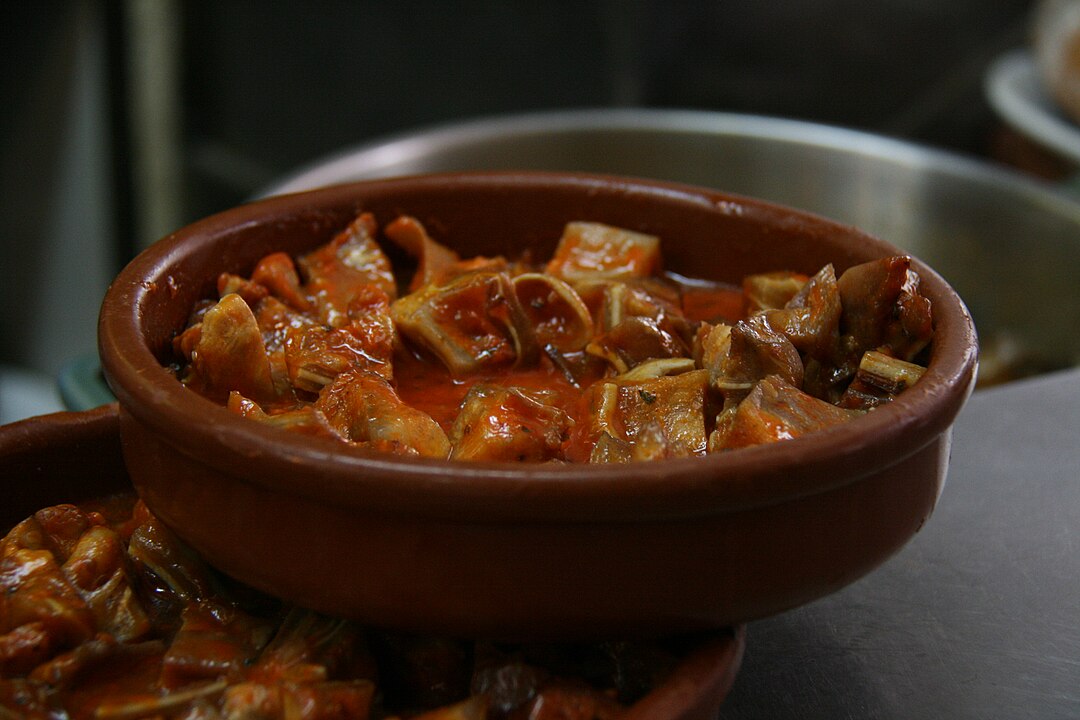 Pigs’ ears in tomato sauce. Photo: Tamorlan/Wikipedia (CC BY 3.0)
Migas – Breadcrumbs
Migas, or breadcrumbs in English, is a popular meal across Spain, particularly in the south. In Extremadura, the dish includes day-old bread soaked in water, garlic, paprika and olive oil. In other parts of the country, migas are cooked with bacon or chorizo for some much needed flavour.
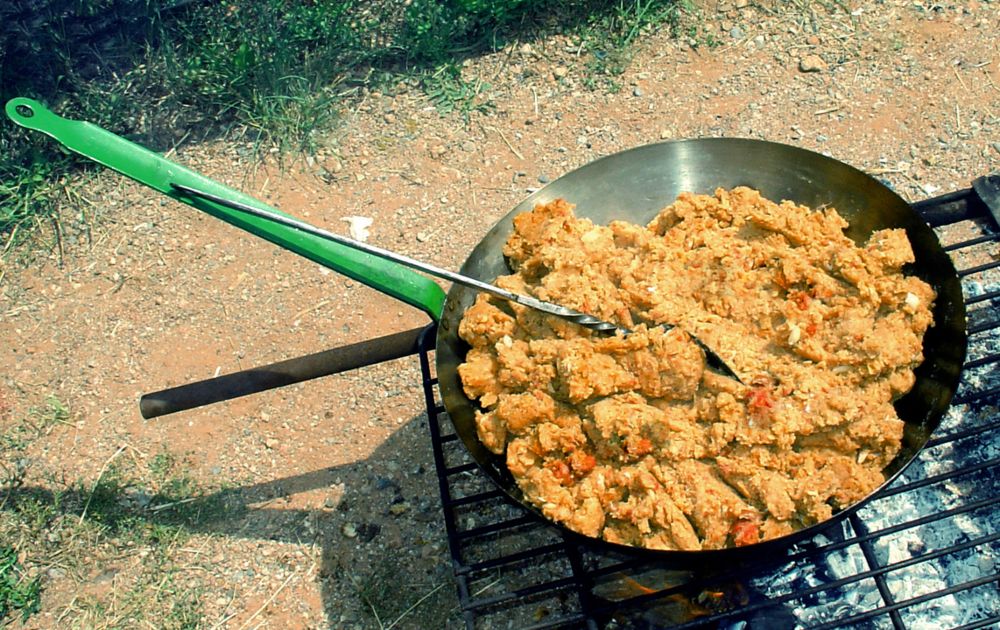 Migas is a pretty bland dish considerable all strong tastes present in Spanish cuisine. Photo: Pedrosefarin/Wikipedia (CC BY-SA 3.0)
Morcilla – Blood sausage
Those who gag at the thought of eating British black pudding are in for a pleasant surprise. Morcilla, as it is known in Spain, is everywhere, offering the best blood a pig can offer. Morcilla de Burgos is the most famous of all, which is made with rice.
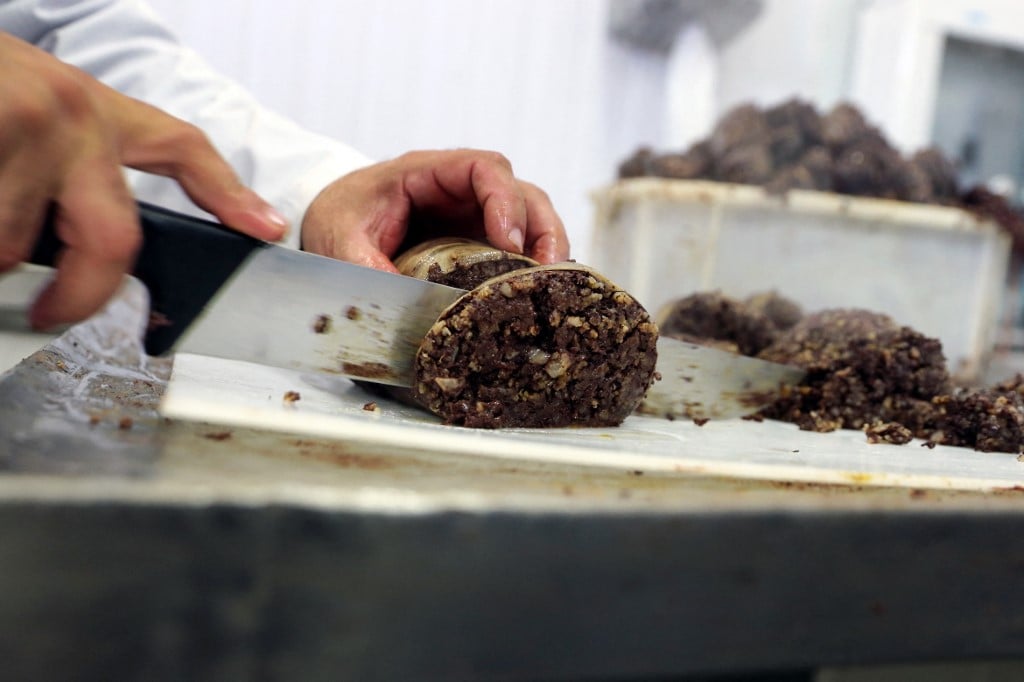 Morcilla is very tasty, especially if you don’t stop to think what you’re eating. (Photo by CESAR MANSO / AFP)
Caracoles – Snails
The Spanish and the French have their differences, but one thing they do share is their love of caracoles. Snail dishes are popular in Catalonia, the Valencia region and Andalusia, where the gastropods have long been wild harvested.
 Snails are eaten in a number of countries, including Spain. (Photo by JEAN-PHILIPPE KSIAZEK / AFP)
Criadillas – Testicles
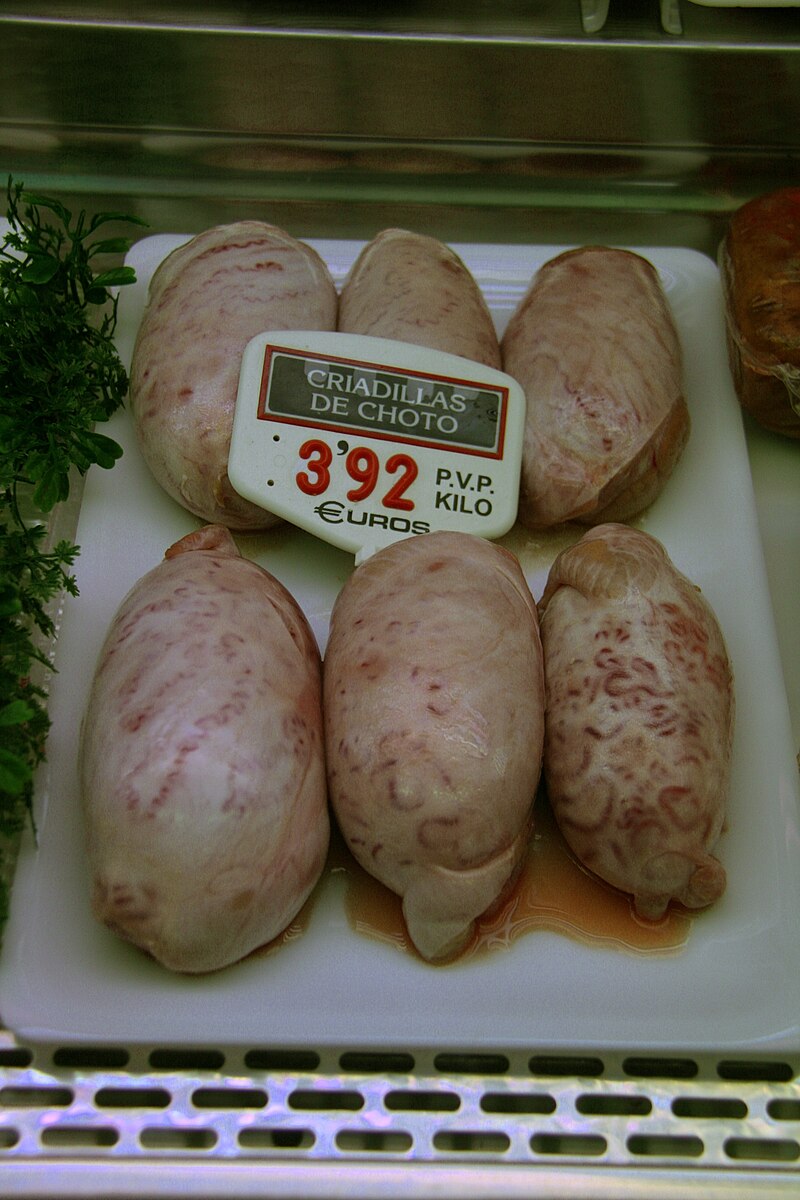 Goat’s testicles. Photo: Tamorlan/Wikipedia (CC BY-SA 3.0)
Angulas – Baby eels
Angulas (also referred to as gulas) may look like white and grey spaghetti but in fact they are shredded baby eels that are two to three years old. Gulas are popular in northern Spain and because their fishing is restricted, they tend to be fairly expensive.
 Gulas are often cooked in garlic along with prawns. Photo: Juan Mejuto/Wikipedia (CC BY-SA 2.0)
Crestas de gallo – Cockscombs
Crestas de gallo are the red rubbery part of a cockerel’s head crests and typical of Castilla y León and the Madrid region, particularly Zamora and Cuenca. With a gelatinous texture similar to mushrooms, they are usually stewed with vegetables and spices.
They are very typical of Castilla y León and the Community of Madrid.
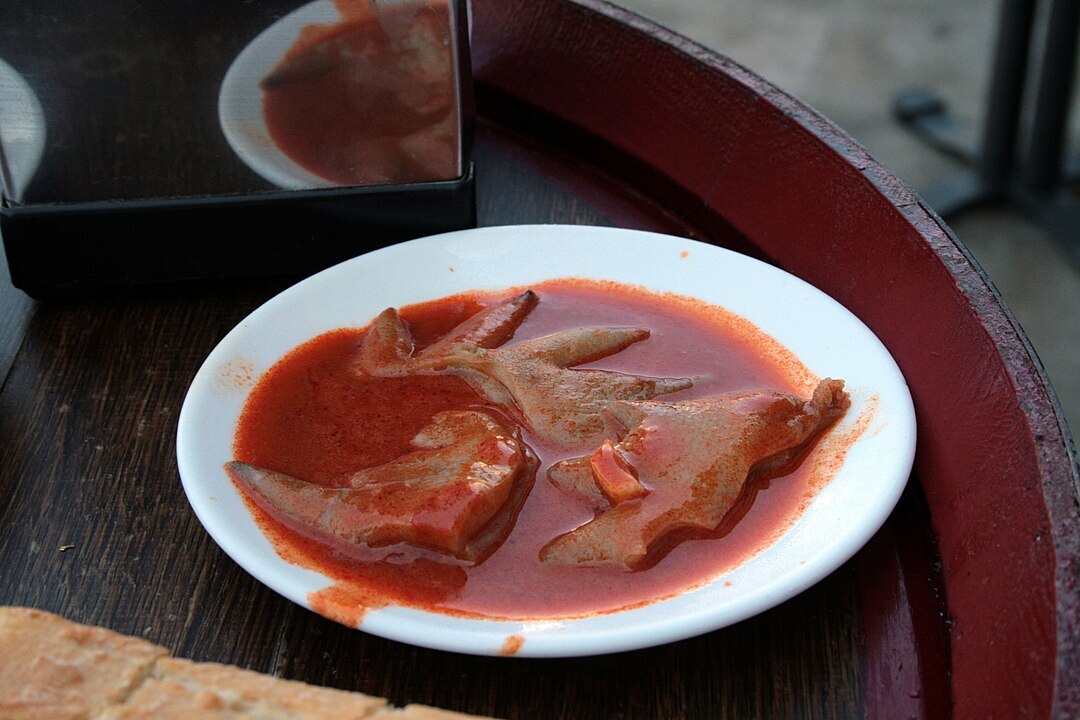 Cockerel combs, for those who have grown tired of delicious chicken breasts. Photo: Tamorlan/Wikipedia (CC BY-SA 2.5)
Cabezas de cordero – Sheep heads
Roasted sheep heads are traditionally eaten in Aragón in northeastern Spain, where they are called cabezas de ternasco. Nowadays sheep heads are only popular with the older generation, as young people find them rather off-putting and you have to know how to remove the meat from the head.
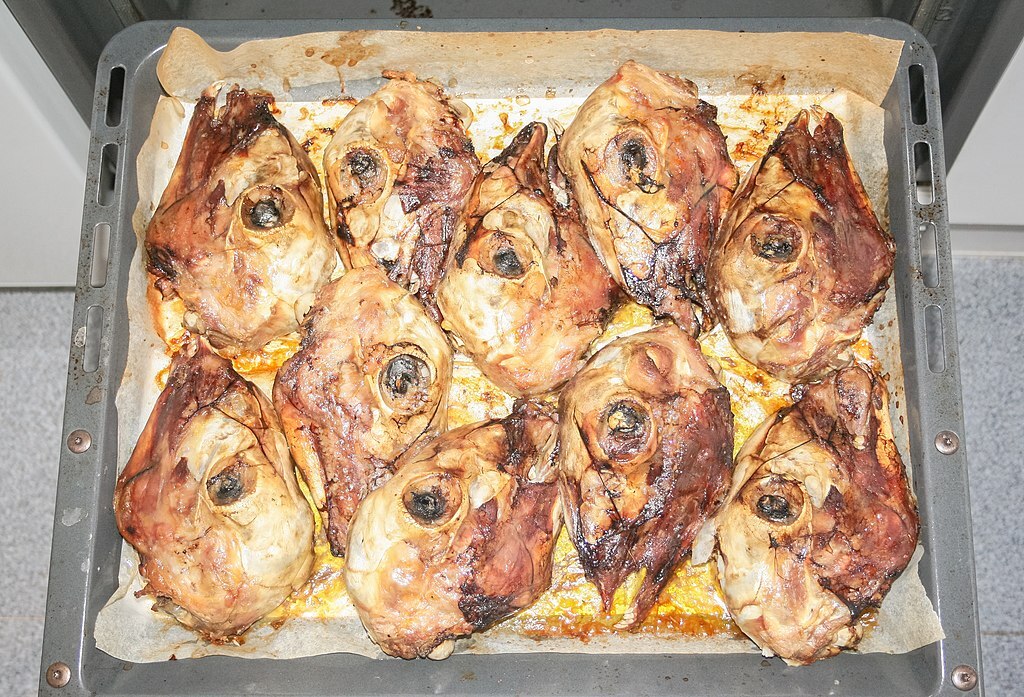 The best way to eat ternasco is to apparently break the head with your own hands before biting off the meat. Diego Delso/Wikipedia
And a few more honourable mentions…
Lamprea en su sangre – Lamprey in its own blood
Simply put the lamprey is half fish – half snake, and because it feeds on other fish it is often called ‘the marine vampire’ in Galicia, where it is fished in the waters of the Miño river. In this northwestern region it is usually cooked in its own blood, which gives it a dark and disgusting appearance, even though it’s meant to be delectable.
Filloas de sangre – Blood pancakes
Filloas de sangre, known as Galician blood crepes or pancakes, are made with pig’s blood. They are usually eaten during the autumn and winter months, and are particularly popular around carnival time because this is the usual slaughter season.
Burro – Donkey
Not to be confused with burrito, the Mexican-style wrap. Burro (donkey) is apparently similar to veal, and very typical of Granada. Spaniards say it also has great health benefits, protecting against asthma and pneumonia, among others.


