


Carnival has started in Spain, and in the southern city of Cádiz the streets will be filled with costumes and plenty of gaditano (locals from Cádiz) wit. Writer Clementine Scott tells us all about the history of the city’s iconic celebrations.
The coastal city of Cádiz hosts carnival or carnaval, like many other cities in Spain and around the world, for a week starting from the weekend before Ash Wednesday.
Cadiz’s version of carnival distinguishes itself from other Spanish iterations through its notable focus on humour and political satire, making it stand out from the flashier, larger-than-life visions of carnival presented by cities such as Rio de Janeiro in Brazil and Tenerife.
READ ALSO: Why does Spain bury a sardine to mark the start of Lent?
Scholars have made links between modern carnivals and lavish pre-Christian celebrations in ancient Rome such as the Saturnalia, but the origins of Cádiz’s carnival as we now understand it are found in the 16th century, when Cádiz enjoyed a prosperous trading relationship with Venice (as well as other Italian port cities like Genoa) and inherited some of the Italian city’s Mardi Gras traditions.
Some of these Italian influences are still felt today, in the form of the extravagant masks and costumes reminiscent of the Venetian masquerade.
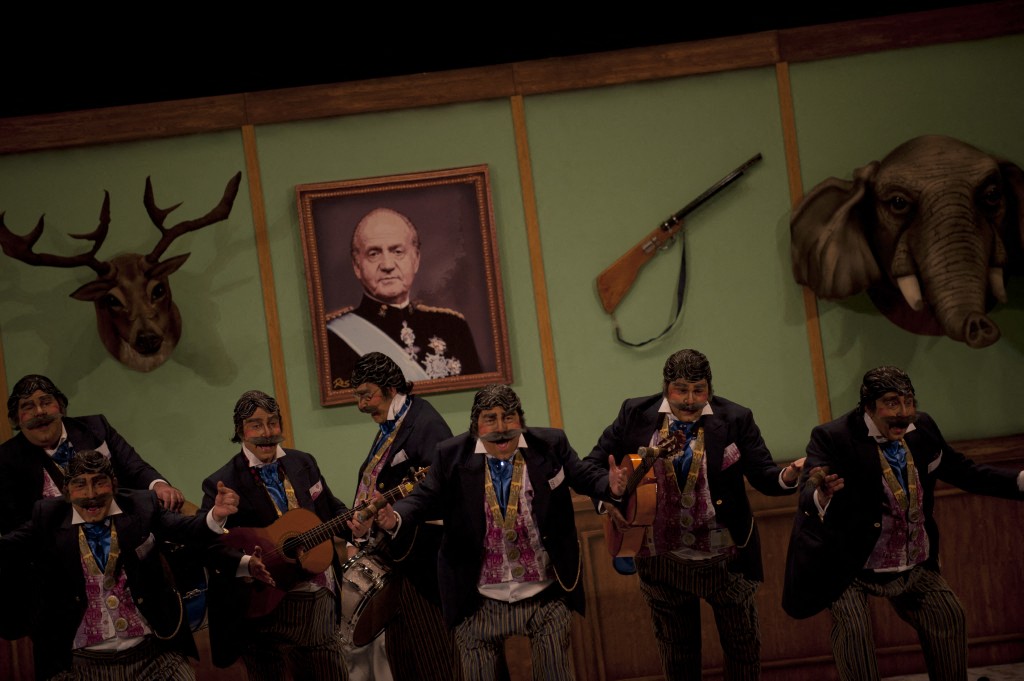
Chirigotas are musical group that sing humorous and satirical songs during carnival in Cádiz. (Photo by Jorge Guerrero / AFP)
Indeed, expect dressing up above all else if you visit Cádiz for carnival. It’s hard to be on Spanish social media this time of year without seeing gaggles of students dressed as Minions or Ghostbusters, with the costumes tending to lean more towards humour and pop culture than glitz and glamour.
READ ALSO: The ultimate guide to Spain’s craziest carnivals
Advertisement
Often, though, looking back at the history of carnaval, carnival costumes (or disfraces in Spanish) had a meaning beyond entertaining group pictures for Instagram – as in carnival traditions elsewhere in the world, dressing up is an opportunity to invert the social order and potentially satirise and critique those in power.
This rebellious spirit also extends to the music. Visitors with a passing knowledge of Spanish current affairs may be able to recognise the references in songs performed by large groups of singers known as chirigoteros, who have been practising their performances throughout the year and compete in choral contests at the start of carnaval.
One particular highlight is the yearly performances from the ‘Cadiwoman’ feminist chirigoteras, now in their eleventh year fighting machismo and patriarchy through music and comedy.
Advertisement
When you need a culinary rest from the music and festivities, the Cádiz carnaval is also known for the shellfish served on the street, especially tortillitas de camarones (baby shrimp fritters).
The idea of a politicised carnival in Cádiz is linked to the darkest chapters of Spanish history. It’s notable for being one of the only Spanish carnival events to continue under Franco (though using the term carnaval was forbidden, and the event was instead known as fiestas típicas gaditanas, or ‘typical festivals of Cádiz’), with chirigoteros escaping censorship through clever double entendre or by singing from memory, and holding clandestine meetings to perform their songs.
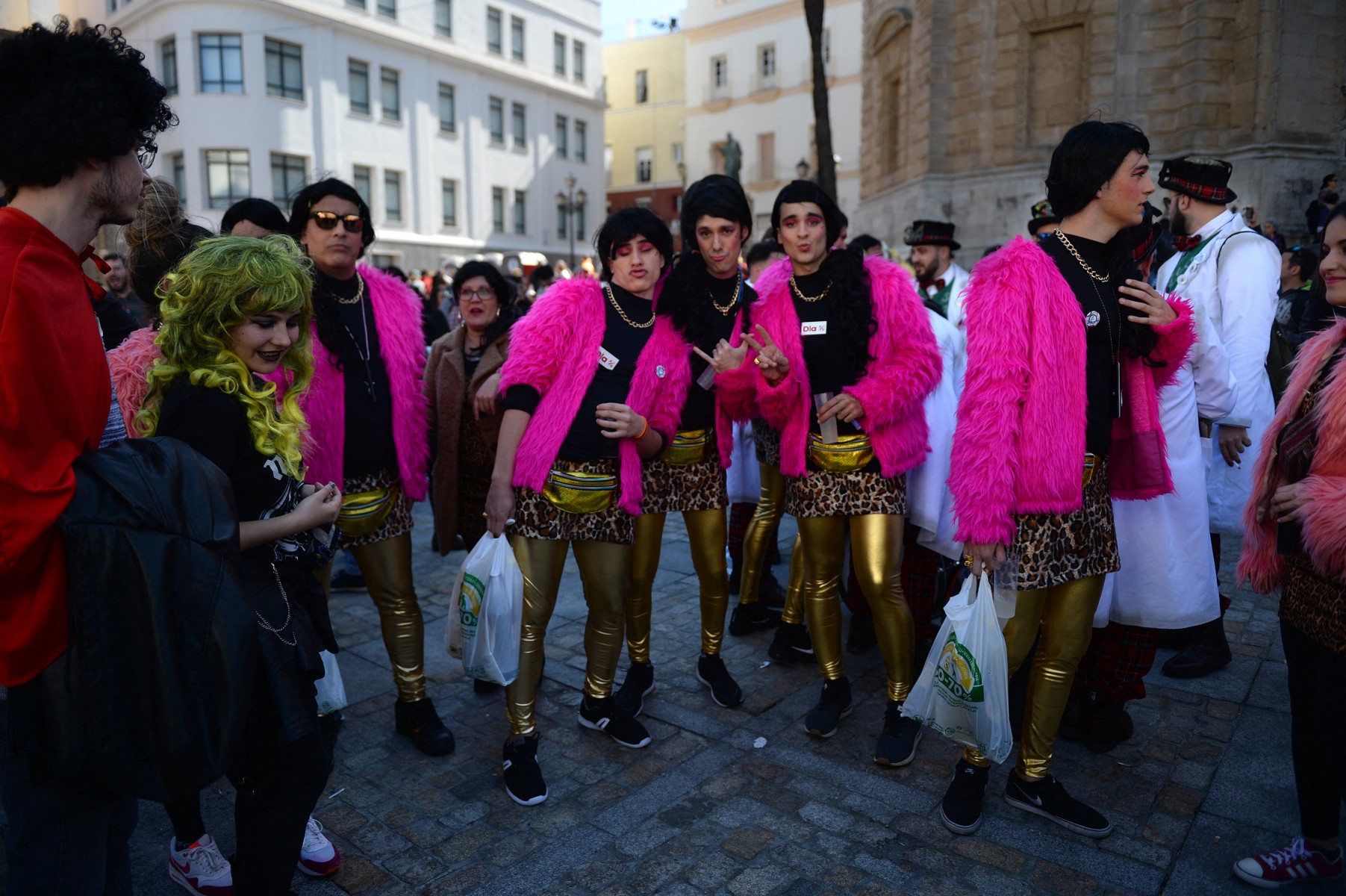
People wearing costumes take part in the Carnival parade in Cádiz. Photo: CRISTINA QUICLER / AFP
Advertisement
Fittingly, in 1978, for the first carnival after the end of the dictatorship, banners were flown with the slogan ‘Entierro de las Fiestas Típicas, ya era hora!’ (‘Bury the typical festivals, it’s about time!’).
Apart from a brief intermission during the pandemic, the Cádiz carnaval has continued uninterrupted ever since, and receives hundreds of thousands of visitors, with hotel occupancy rates in the city rising to 98 percent during the event.
Os deseamos un feliz carnaval (we wish you a happy carnival), and may all attendees enjoy the event with the witty, anti-establishment spirit of a true gaditano.


