


Each year on the first Wednesday of February, Swiss government is testing its nationwide alarm system. But what happens if the sirens blast to alert to a real emergency? What should you do?
During the annual alarm, the 5,000 fixed and 2,200 mobile sirens in Switzerland are typically tested at 2.30 pm.
The water alarm test follows at 4 pm in areas with dams.
The AlertSwiss app is also activated at this time.
The goal of both is to ensure the system’s functionality – in other words, to make sure the alarms will go off without a hitch in case a real emergency – for instance, a natural disaster or a serious chemical accident – occurs regionally or nationally.
READ MORE: Switzerland to carry out annual siren test on Wednesday
From practice to reality
But do you know what to do in case the alarm in your area goes off for real – that is, on a day other than the first Wednesday in February?
Recommendations on proper actions and behaviour in such situations come from the federal government via the Federal Office for Civil Protection and the Federal Office for National Economic Supply (FONES).
Their advice, once you hear the sirens go off (or receive a message on the AlertSwiss app) is to immediately inform yourself via radio and/or television about the nature of the disaster, and follow the instructions given by the authorities and emergency organisations.
They include using the telephone and other means of communication only for important and urgent messages to keep the network from being overload.
By the same token, use cars and other means of transport only for urgent reasons – again, not to overload the traffic.
Also, inform and support neighbours and people needing assistance in your vicinity.
Advertisement
And then there are guidelines related to specific disasters.
Let’s start with floods
They include not entering cellars or underground garages if floods are imminent.
Also, do not drive a car/bicycle over flooded roads.
Additionally, avoid areas that are threatening to flood, such as river or lake banks. You might become the victim of a tidal wave; also, banks that have been washed away might collapse.
What about earthquakes?
Seek cover – for instance, under a solid table, and protect your head.
If the damage is severe, leave the building and seek refuge in a shelter (more about this below).
Also, don’t forget to check whether gas, water pipes, and electric cables are damaged, switching them off if you are uncertain.
Advertisement
Be well equipped
If the instructions are to stay put and not leave your house under any circumstances (if, for example, a chemical leak happens), you should be able to rely on your stock of essential reserves.
According to FONES, “stocking up is an easy and very effective measure in a crisis, which allows you to meet your needs for a few days. It is a preventive measure that is within everyone’s reach.”
FONES has a comprehensive list of emergency supplies every household in Switzerland should have — though few actually do.
It contains these items, sufficient for one week:
- 9 litres of water per person.
- Non-perishable or long-lasting food such as rice, pasta, oil, tinned goods, salt, sugar, coffee, tea, dried fruit, muesli, chocolate, UHT milk, and cheese, and dried meat.
- You should also have on hand a battery-operated radio, flashlight, spare batteries, candles, as well as matches/lighter.
- Also on the list are 50 hygiene masks per person, disinfectant, personal medication and regularly needed hygiene items, some cash, and food for pets.
READ MORE: What residents in Switzerland need to stockpile in case of crisis
Advertisement
Should you evacuate to (your own or communal) fallout shelter?
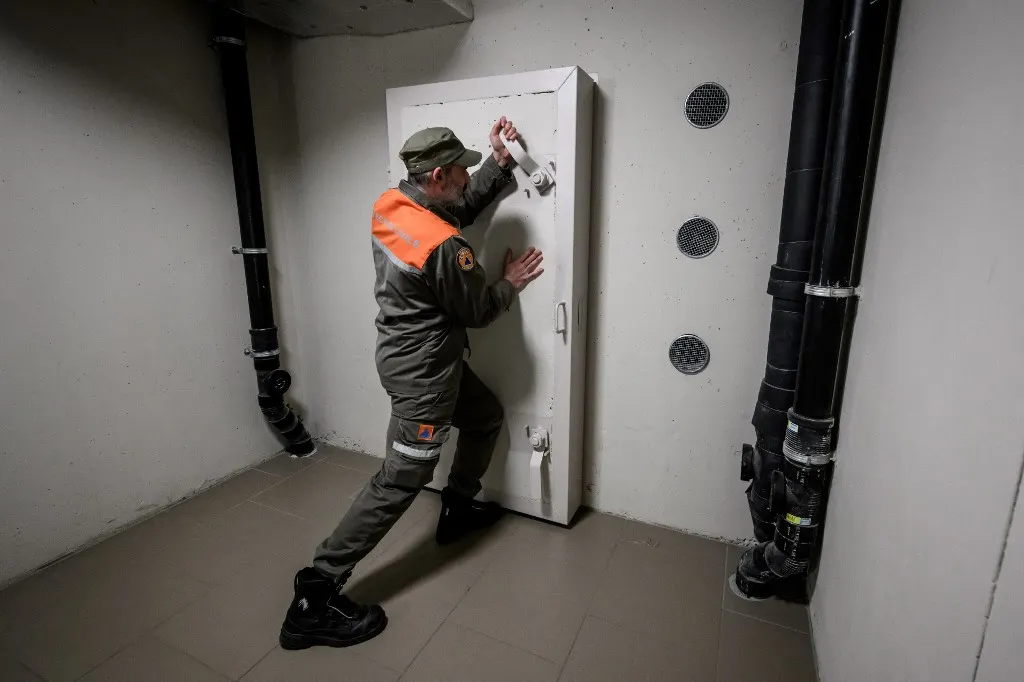
The primary goal of these bunkers is to protect the population during an armed conflict, especially one involving weapons of mass destruction.
But they can also be used in case of natural or man-made disasters.
However, you should only go to the shelter by order of the authorities.
READ MORE: What does Swiss government want you to know about bomb shelters?
If that happens, you need to:
- Prepare emergency gear (including personal documents)
- Bring a battery-operated VHF radio and spare batteries
- Prepare food (including special dietary and infant foods), as well as medicines
- Close windows and doors, switch off electric devices, turn off gas mains, and extinguish open fires (fireplaces, candles)
- Inform and, if necessary, help other residents
- Accommodate pets as well as possible and supply them with water and food
- When the official order is issued, close blast door and blast-resistant covers, and turn on ventilation.


