


BAKU, Azerbaijan, January 26. Kazakhstan
Utility Systems (KKS) and Japanese company Komaihaltec Inc. are
planning to build a hybrid mini-power plant in the Turkistan region
of Kazakhstan, the press service of KKS told Trend.
“At the first stage, KKS and Komaihaltec Inc. will conduct
research, prepare a preliminary feasibility study, and develop a
roadmap. A joint working group will be created for coordination,”
the company stated.
It was noted that renewable energy sources will be integrated
with the existing energy supply infrastructure within the framework
of the project.
“This approach will allow for the development of practical
models for the application of renewable energy sources (RES) in
regional conditions,” the company emphasized.
KKS clarified that the hybrid system will include a wind power
plant (about 5 MW), a solar power plant (about 1 MW), and an energy
storage system (about 500 kWh).
According to company representatives, this combination will help
stabilize the load, ensure an uninterrupted power supply, and
reduce the region’s dependence on energy from other areas of
Kazakhstan. Special attention will be given to reducing CO₂
emissions, developing autonomous and distributed energy sources,
and enhancing the resilience of the energy system.
“At the current stage, the memorandum provides for the launch of
the research and pilot phase of the project. Further decisions on
construction and possible scaling will be made after the completion
of the feasibility study and coordination with the relevant
authorities,” the company emphasized.
KKS added that an important condition for the Japanese side is
the possibility of carbon offsetting for the project in accordance
with established procedures.
“This mechanism aligns with Kazakhstan’s goals for developing
low-carbon projects and the international climate agenda. The pilot
project based on a hybrid wind-solar power plant with an energy
storage system will allow testing modern renewable energy solutions
in the region’s real conditions and improving the resilience of
local grids, while simultaneously reducing the carbon footprint,”
the press service reported.
The company further added that the pilot project is being
implemented in the Turkistan region due to its favorable wind and
solar potential, land availability, and convenient connection
points to the grid.
Within the framework of the cooperation, KKS will handle the
administrative support of the project (land plots, connection
points, infrastructure, design, and construction works), while the
Japanese side will provide the necessary equipment for
manufacturing and delivery.
“Electricity generation will be supplied to the local regional
electricity networks (LLP ‘OZT’), which will allow the integration
of the project into the existing system,” the press service
delineated.
The company noted that the pilot project is being implemented in
the Turkistan region because of its high potential for wind and
solar energy, land availability, and convenient connection points
to the grids.
Within the cooperation framework, KKS will handle the
administrative support of the project (land plots, connection
points, infrastructure, design, and construction works), while the
Japanese side will be responsible for manufacturing and supplying
the necessary equipment.
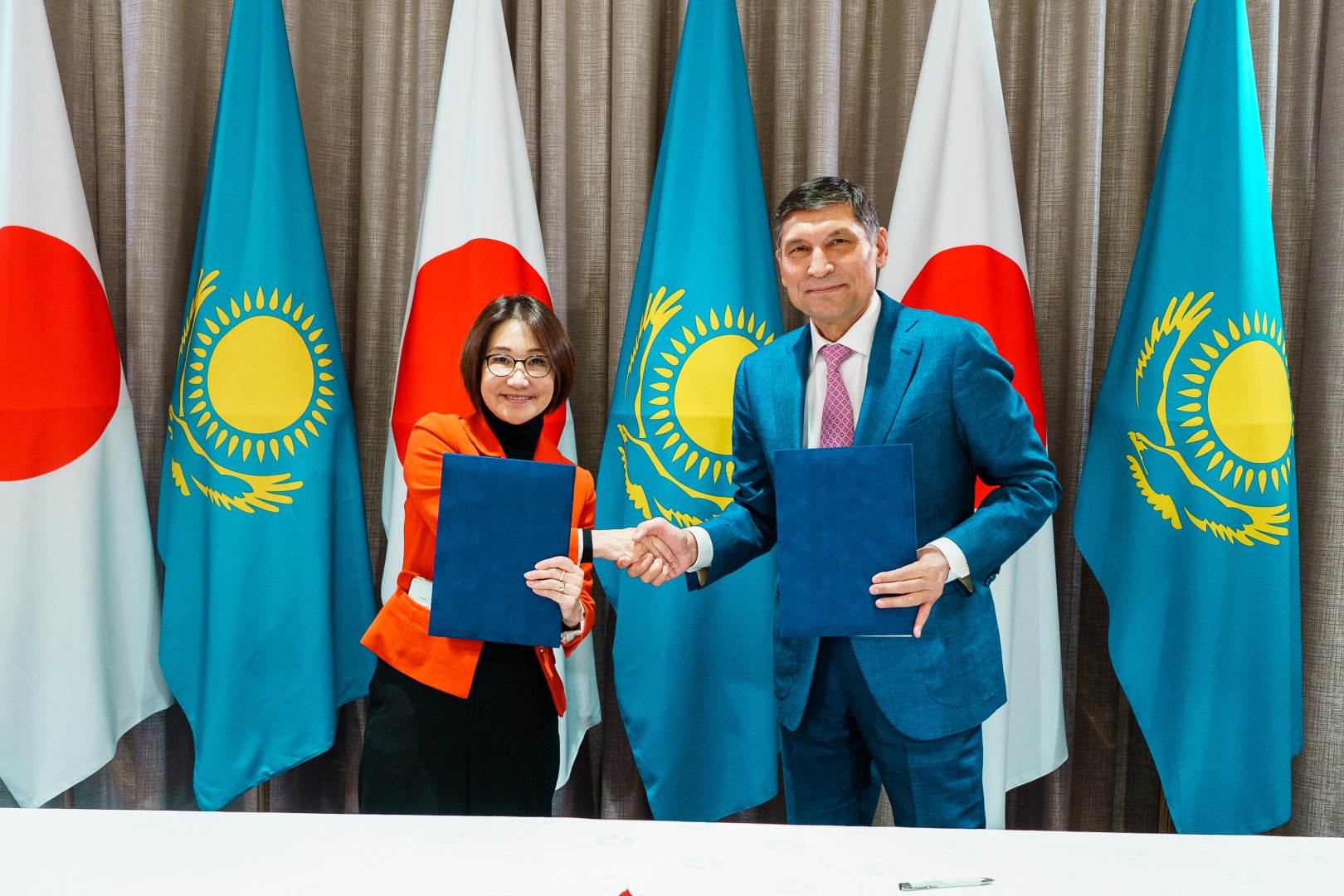
During the official visit of Kazakhstan’s President
Kassym-Jomart Tokayev to Japan and the “Central Asia-Japan” summit
in December 2025, a memorandum of understanding was signed between
KKS and Komaihaltec Inc. The document confirmed the parties’
intention to jointly implement the renewable energy project.
KKS is one of the largest players in Kazakhstan’s energy market.
The KKS Group of companies forms a production chain—from
electricity and heat generation to their supply to the end
consumer.


