

Many foreigners with property in Spain are shocked to hear about the legal protections Spanish law offers squatters who illegally occupy homes. Fortunately, there are new insurance policies in Spain that cover against squatting, but how do they work?
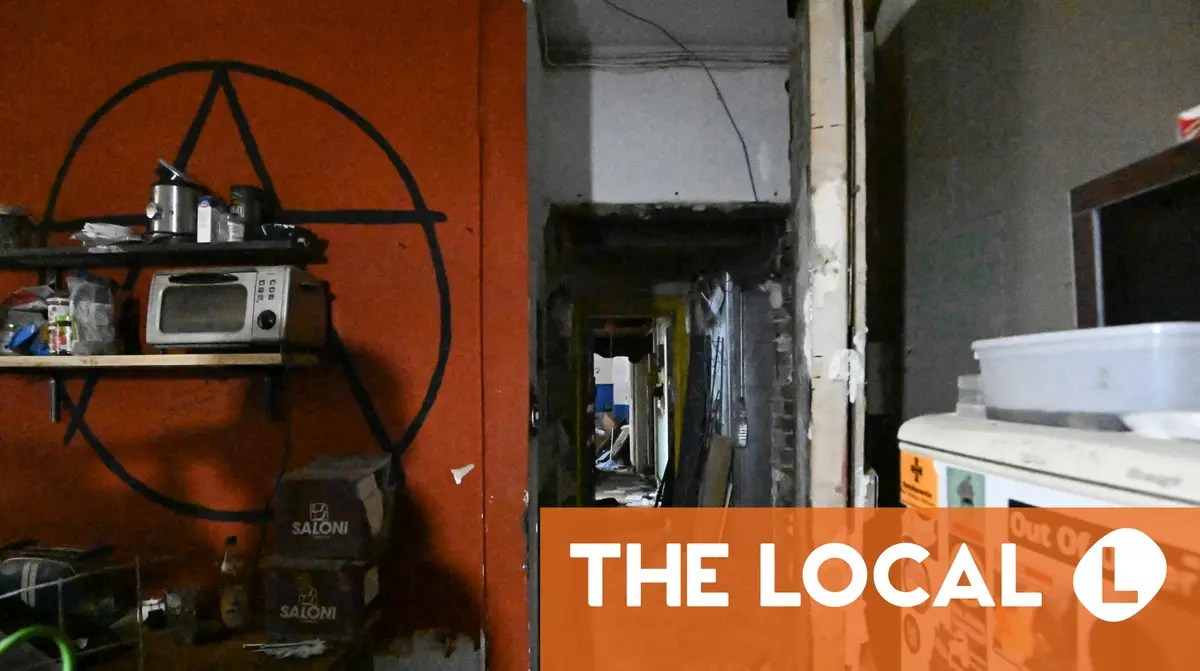
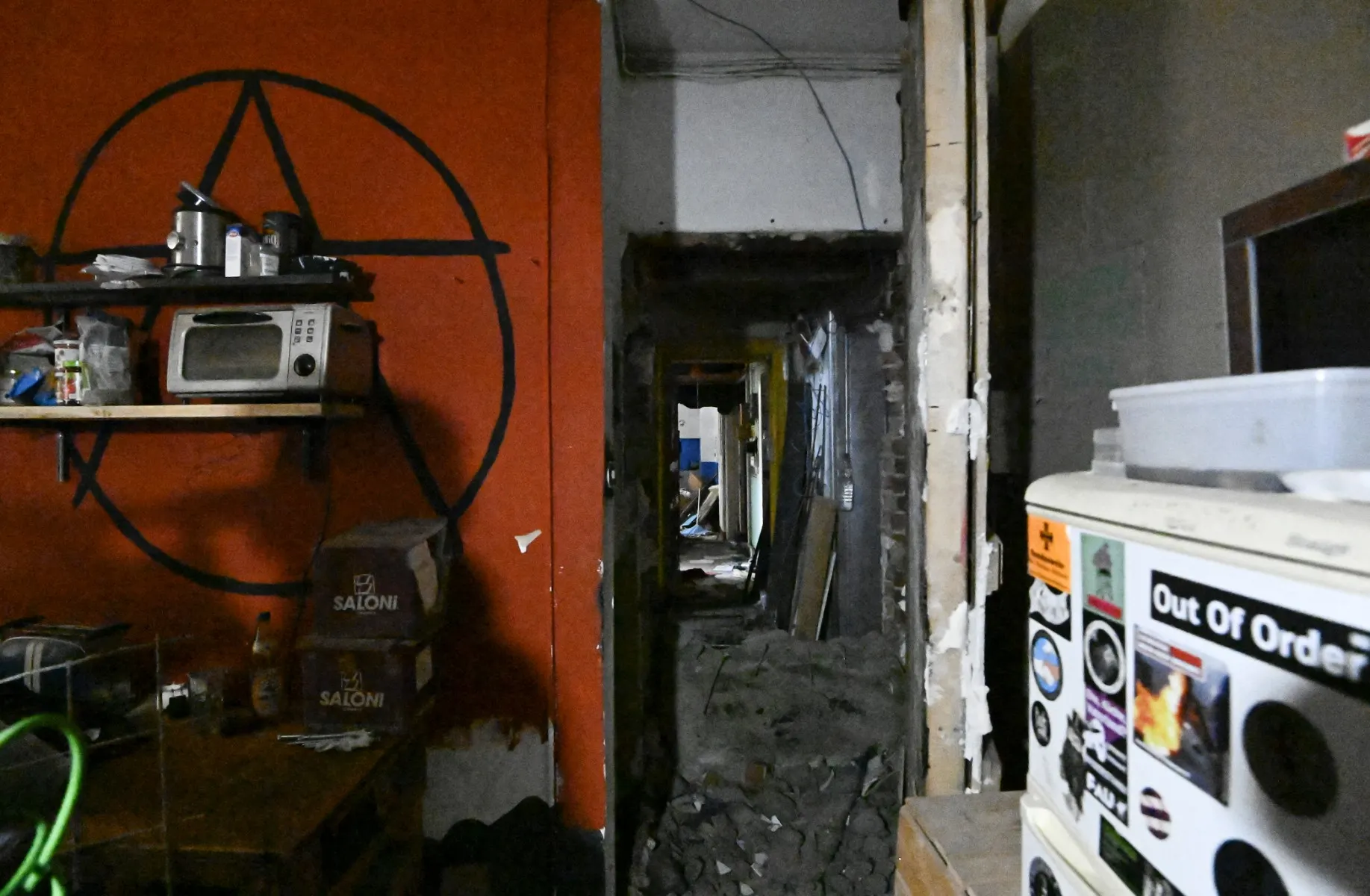
Okupas (squatters) and la okupación (squatting) are a controversial subject in Spain.
For some, the issue is exaggerated and weaponised by right-wing political parties to gain votes.
For others, the fact that squatters are often legally allowed to keep occupying properties while the owners pay thousands of euros in court proceedings that take years is mind-boggling.
The number of homes squatted in Spain rose by 7.14 percent in 2024, with 16,426 cases compared to 15,289 in 2023, according to data from the Interior Ministry.
Advertisement
It’s certainly a complicated subject. Spain is in the midst of a housing crisis with sky-rocketing property and rents that many can simply not afford, but does that justify occupying somebody else’s property?
There’s also the fact there are 3.8 million empty homes in Spain (latest official data from 2021), and many are in the hands of banks.
Under Spanish law, squatters can only be evicted right away within the first 48 hours, and the vast majority of okupas are well aware of this.
READ ALSO – The tricks squatters in Spain use to occupy homes
Spain distinguishes between two different types of squatters – okupas who enter homes illegally (whether occupied or not) and inquiokupas who were previously legal tenants in the property and then stopped paying the rent but continue to live there.
Thankfully, many companies in Spain now offer anti-squatter insurance, which helps to cover legal bills and other costs associated with trying to remove squatters from your property.
You may want to consider this type of insurance if you own a holiday home in Spain that is left empty for long periods of time, you travel often and leave your home unoccupied or you’re a landlord who wants to protect themselves against loss of earnings.
In the case of the latter, you’ll need to get specific landlord’s insurance that covers this against inquiokupas.
Advertisement
Some of the main companies in Spain that offer anti-okupa insurance include:
- Movistar Prosegur Alarmas
- Securitas Direct
- Línea Directa
- El Corte Inglés
- Generali
- Acierto
It’s worth keeping in mind that there are lot of companies offering this service, other than the ones mentioned above. It’s important to shop around to find the right price and a company that has good reviews that you feel comfortable with.
It’s also worth knowing that sometimes anti-squatter insurance is included as part of subscription-based security alarms. This is the case with Movistar Prosegur Alarmas and Securitas Direct for example.
READ ALSO: Spain to decide if cutting off utilities to squatters should be legal
Advertisement
Typically, this type of insurance covers:
- Eviction costs
- Legal fees in relation to the occupation of your home
- Alternative accommodation if this is your main home
- Cover against damage to the property
- Fees to cover household bills while your home is occupied (if it’s your primary residence) as it’s illegal to cut them off.
- Cleaning and changing of locks after you regain access
- Civil liability insurance due to possible damage to neighbours
How much does it cost?
The price of anti-squatter insurance can vary wildly depending on whether you just contract insurance or if you pay a monthly subscription to a security company including alarms and cameras etc.
For example, Línea Directa offers just the insurance for €24 per year, while Movistar Prosegur offers a complete package of a security system, plus anti burglary and anti-squatter guarantees for €48.90 per month.
The price may also be affected by the area of Spain you live in, what floor you live on and the type of security you already have in place.
Spain’s anti-squatting law came into force in April of last year, the aim of which was to speed up the legal process and allow for ‘express evictions’, of squatters, but the process still take some time due to judicial backlogs.
In November of last year, a motion was also brought forward to make it legal to stop paying utility bills if your home has been occupied. It remains to be seen whether this passes or not.
READ ALSO: What you should know about squatter eviction companies in Spain


