


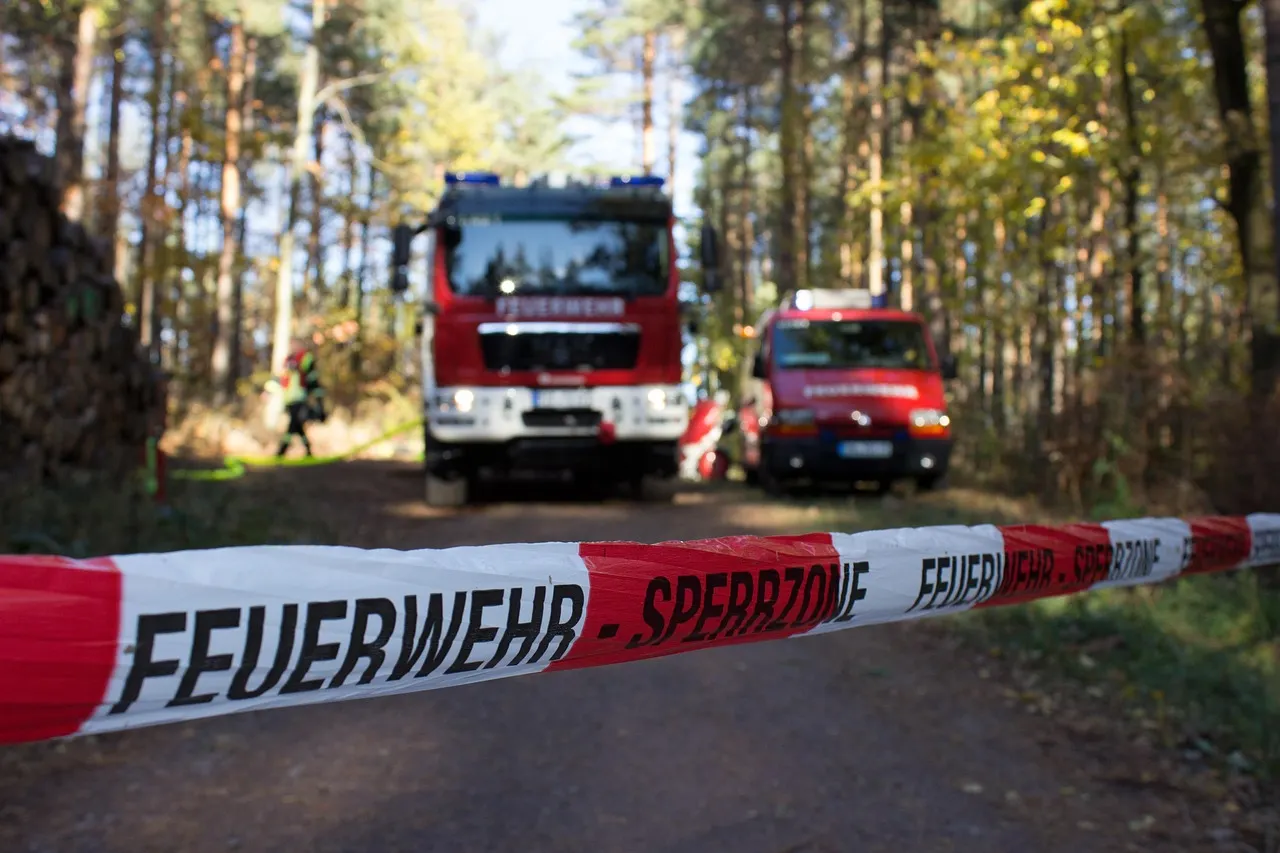
After a deadly New Year’s blaze in a Crans-Montana bar shed light on the lack of fire safety features at the venue, questions arise about what rules exist for apartment buildings in Switzerland.
Once the fire – which authorities attributed to Bengali candles placed on Champagne bottles that were held too close to the ceiling and its soundproofing flammable foam – began in the early hours of 2026, hundreds of partygoers became trapped in the bar’s basement, unable to escape via a narrow staircase.
Investigators are now focusing on where else the bar’s owners may have failed in terms of compliance with fire and other safety regulations that are in place for this type of establishment.
READ ALSO: What safety checks are carried out on bars and clubs in Switzerland?
What about the rules for residential buildings?
In general, these regulations concern fire protection (such as evacuation, and compartmentalisation), general safety (stability, seismic protection), and the safety of installations (electricity, gas).
For instance, Swiss legislation — the Ordinance on Electrical Low-Voltage Installations (LVIO) – prescribes regular checking of oil and gas heating systems, while the Air Pollution Control Ordinance (OAPC) mandates the inspection and maintenance of wood-fired systems by chimney sweeps.
READ ALSO: What are the laws in Switzerland if you have a fireplace in your home?
Overall, however, Swiss laws regarding this type of protection for residential buildings is laxer than elsewhere in Europe.
Advertisement
Let’s start with the fire protection regulations
Since the Constitution does not grant federal jurisdiction over fire protection, the regulations in this area are the responsibility of the cantons – specifically, by the Association of Cantonal Fire Insurance Establishments (VKG/AECA), in collaboration with the cantonal fire protection authorities.
The implementation of fire protection regulations also falls under the cantons’ responsibility, with this task being carried out by the competent cantonal or municipal authorities.
All of them mandate these protective measures:
Fire Compartmentalisation
Buildings must be divided into sections to limit the spread of fire and smoke.
Residential units are typically separated from each other and from common areas (stairwells, lobbies, technical premises) by fire-resistant elements.
Building Materials
All materials must be tested and certified by the VKG. The use of flammable materials is restricted in critical areas like escape routes.
Structural Integrity
Load-bearing structures must resist fire for a specified minimum duration to ensure the building remains stable during an incident.
Advertisement
Besides these structure-related safety features, the VKG also requires:
Escape and access routes:
Clear passageway -: Stairways and corridors serve as primary escape routes and must be kept clear of all personal items (furniture, storage, waste, etc.) at all times to guarantee safe passage. A minimum clear passage width, often 1.20 m, must be maintained.
Fire doors: Fire doors (self-closing doors) in corridors and stairwells must not be propped open or their function compromised in any way.
Emergency exits: Main entrance doors in the direction of escape must be easily openable at all times from the inside without the need for a key or tools.
Signage and lighting: Escape routes must be clearly marked with signs, and safety lighting must be in place to ensure visibility in an emergency evacuation.
Advertisement
How often are inspections of all these compulsory protection features carried out?
The mandatory electrical safety inspections for residential buildings typically occur only every 20 years, unless the building is sold in the meantime or modified in any way.
In terms of overall fire safety, Switzerland, unlike many other countries, doesn’t mandate regular fire inspections for all residential buildings.
The Cantonal Fire Protection Authority carries out checks in the event of changes to the building, or fire incidents.
But as long as the building does not change, there are no regular inspections.
In Switzerland, the responsibility for the building’s fire protection is shifted from the state to property owners – the latter being required to regularly review fire risk assessments, as well as equipment such as sprinklers, in accordance with VKG’s guidelines.
Are apartment buildings in Switzerland required to have smoke alarms?
They are not mandatory, but recommended as a preventive measure.
Some Swiss insurance companies offer discounts on household liability insurance to policyholders with installed smoke alarms, as these devices significantly reduce the risk of fire-related damage.
What about fire extinguishers?
Unlike commercial or public establishments, since 2015, fire extinguishers are no longer mandatory in residential buildings.
Advertisement
Is fire insurance mandatory in all Swiss cantons?
Geneva, Uri, Schwyz, Ticino, Appenzell Innerrhoden, Valais, and Obwalden don’t require it.
In Geneva, Ticino, Valais, and Appenzell Innerrhoden, it is up to the property owners to decide whether to take out private property insurance, though a mortgage lender will require it.
The 19 remaining cantons, on the other hand, have a cantonal insurance institution which requires buildings to be insured against fire and natural disasters.
READ ALSO: Which Swiss insurance policies do you really need to have?


