


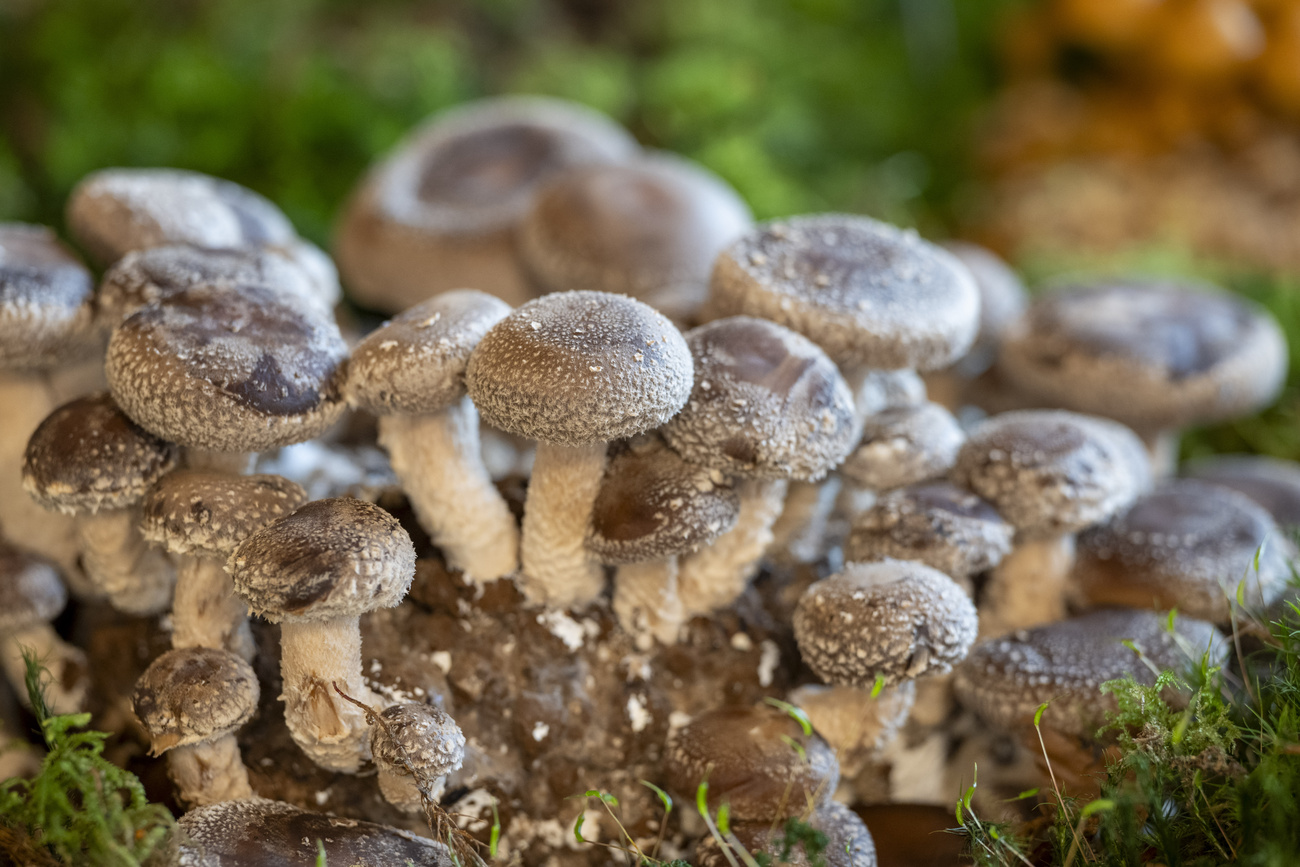
Do you know how long you need to cook shiitake mushrooms before eating them?
Keystone / Urs Flueeler
From January 2026, new food regulations will apply in Switzerland that will have an impact on consumers, farmers, exporters and importers of food products.

Most of the new regulations are meant to harmonise Swiss practices with the European Union and prevent unlawful trade barriers. Those producing, selling or importing the food products affected will have a transition period of six months to a year to comply with new rules.
More genetically modified maize
While there is a moratorium on the cultivation of genetically modified organisms (GMOs) in Switzerland, Swiss residents may still be consuming GMOs. This is because certain GMOs are tolerated in foodstuffs without authorisation if they account for less than 0.5% by mass of the ingredient for which it is used.
More

More
CRISPR: Is Switzerland ready to embrace gene editing in agriculture?
So far, only specific GMO varieties of soy, rapeseed and maize have been granted this exemption. As of January 2026, two additional genetically modified maize varieties bred for increased tolerance to herbicides and recently approved in the EU will be tolerated in Switzerland.
“Unintentional traces of GMOs do not need to be labelled if they do not exceed 0.9% by weight. However, traders and producers must be able to prove that they have taken measures to avoid the presence of such GMOs in their foodstuffs,” a spokesperson for the Federal Food Safety Office told Swissinfo.
Stricter rules against food contaminants
In December 2022, the European Chemicals Agency (ECHA) identified melamine, a chemical commonly used in plastic dishware, as a substance of very high concern (SVHC). Companies manufacturing melamine in Germany, Austria, Belgium, the US and Switzerland challenged the decision, which was overturned by the Court of Justice of the European Union in July. In line with the EU, Switzerland will introduce maximum melamine levels for infant formula, follow-on formula and baby food marketed as liquids.
More
More
Residues of a ‘forever chemical’ found in Swiss bread and wine
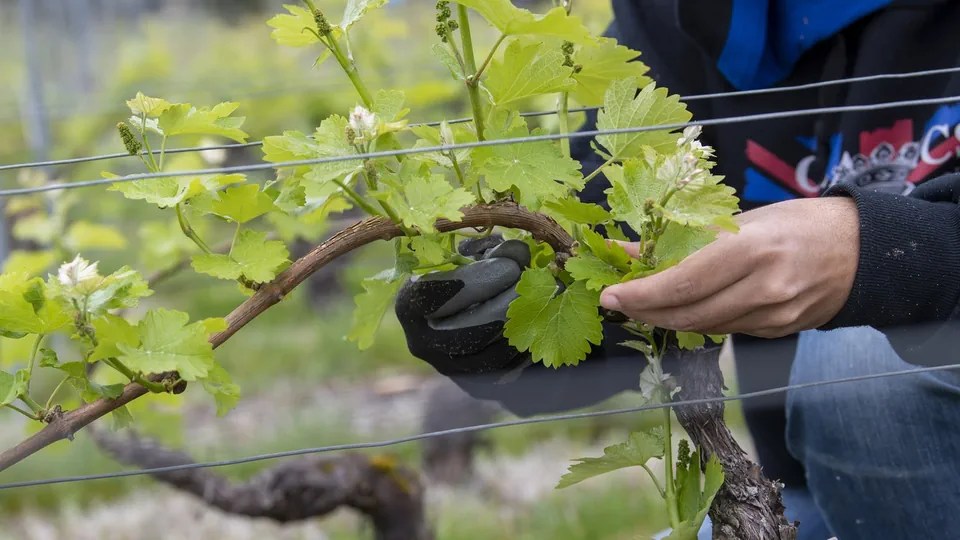
The Swiss authorities have also acknowledged that residues of veterinary drugs can end up in animal products. From 2026, Switzerland will follow the maximal residual limits of anti-inflammation drugs like Ketoprofen and antiparasitic Fluralaner used in poultry and livestock farming.
Restrictions on Bisphenol use
Bisphenol A (BPA) is a chemical used in the manufacture of plastics. It is widely found in material that comes in contact with food and water like metal can coatings, plastic drink bottles, water dispensers and kitchen utensils. BPA can end up in food and drinks that come into contact with it. Research funded by the EU found BPA in the urine of 92% of adult participants from 11 European countries, including Switzerland.
More

More
Traces of bisphenol A exceed level considered safe in 71% of people in Switzerland
The EU banned the use and trade of BPA in January 2025 with few exemptions. Switzerland has adopted the EU’s safety-first approach to BPAs. From January 2026, bisphenols may only be used in food contact materials for specific applications, provided that their safety can be demonstrated. This new regulation will affect the Swiss chocolate industry because BPA is found in polycarbonate plastic used in foundry moulds to produce chocolate and confectionery.
More pesticides for Swiss farmers
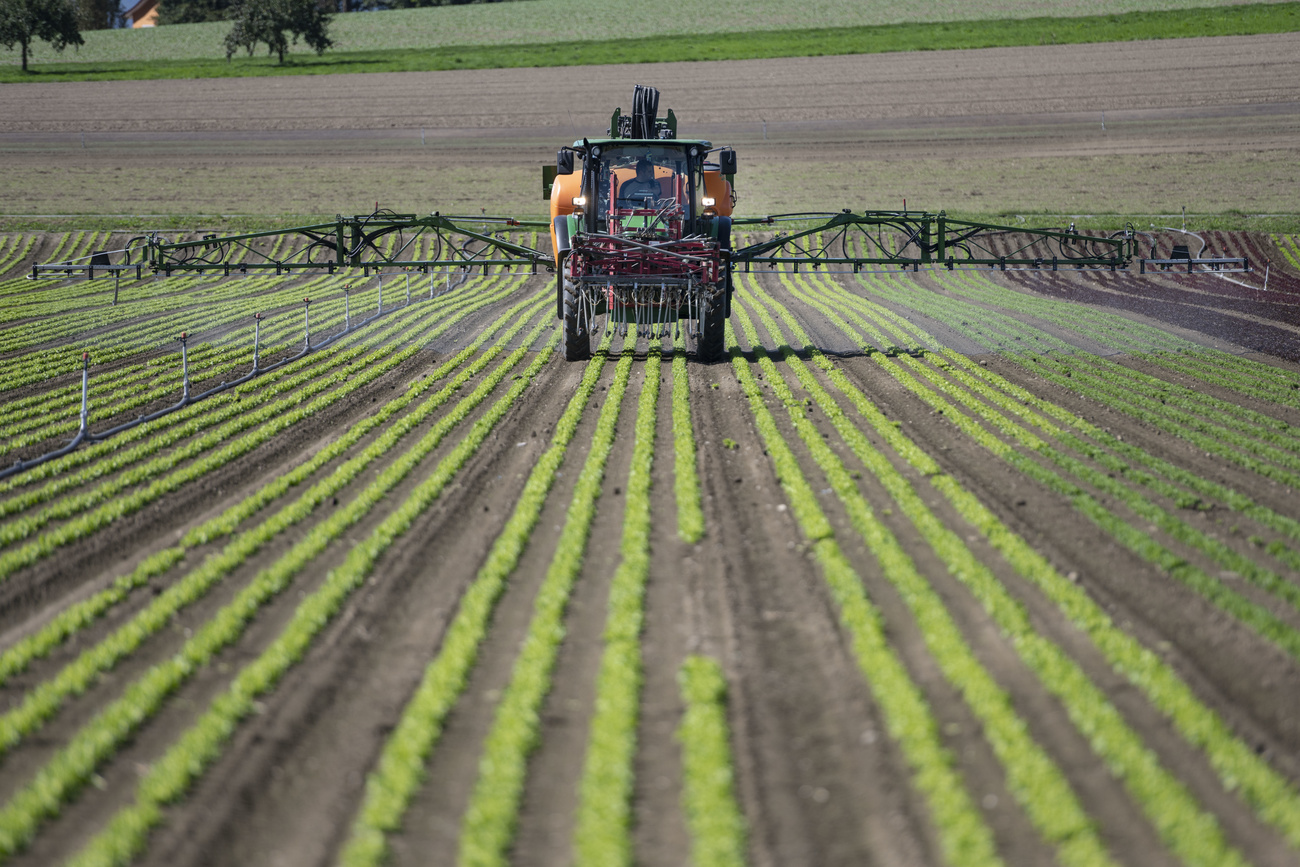
The revised Plant Protection Products Ordinance enters into force in December 2025 will make it easier for farmers to use pesticides approved in neighbouring countries. A simplified procedure will apply for pesticides already authorised in Germany, Austria, Italy, and France.
This means Swiss authorities will no longer be able to reject approvals of pesticides used in neighbouring countries. What they can do is impose additional safeguards like mandatory protective clothing, the number of authorised applications per year, and the buffer zones to be observed in relation to water bodies and sensitive ecosystems.
More
More
Pesticide-free but not organic: Swiss offer alternative to wean agriculture off chemicals
Switzerland already follows the EU’s lead when it comes to approval of active substances used in pesticides. However, there is a lag in implementation due to additional risk assessments, staff shortages and pushback from environmental organisations. From 2026, active substances approved in the EU will also be approved in Switzerland without any delay. Conversely, those no longer approved in the EU will also no longer be approved in Switzerland, with immediate effect and without exception.
Feeding meat byproducts to pigs and chickens permitted
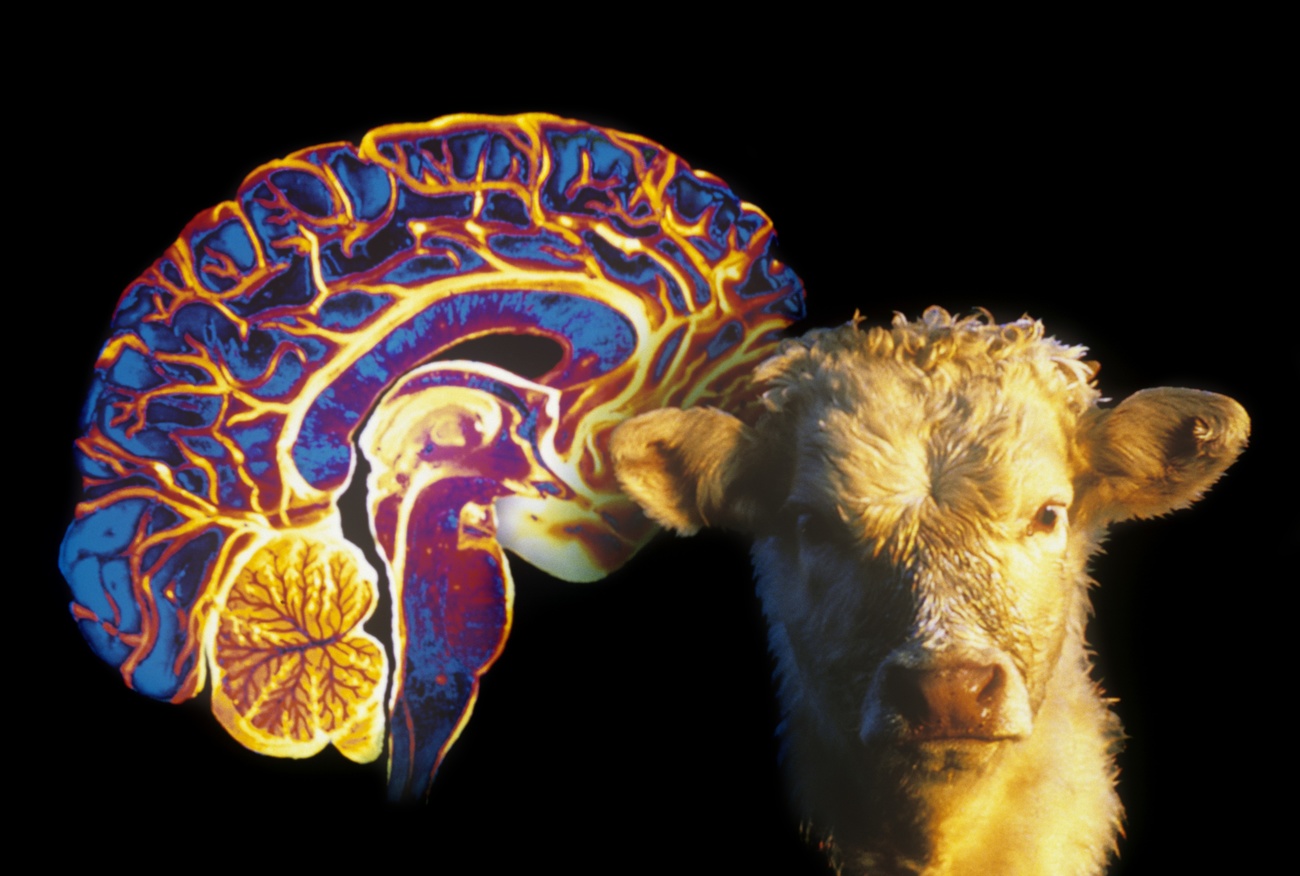
From January 1, 2026, the use of certain processed animal proteins (PAPs) will again be permitted in pig and poultry feed. Chicken byproducts can be fed to pigs and chickens can be fed pig byproducts. However, PAPs are out of bounds for ruminant animals like livestock and the 2001 ban in the wake of the Mad Cow Disease outbreak still applies.
More
More
Is mad cow disease making a comeback?
From 2026, chicken and pigs can also be fed insect protein that was previously restricted to aquaculture. In addition, gelatin and collagen obtained from ruminants like cows, goats and sheep can be fed to non-ruminants like pigs and poultry.
Factories producing such animal proteins for animal feed must have separate production lines for each species to prevent accidental mixing.
No more warning label for shiitake mushrooms
To protect public health, edible mushrooms listed in the Ordinance on Foodstuffs of Plant Origin, Mushrooms and Table Salt may only be marketed and sold under specific conditions. Until now, cultivated Shiitake mushroom (Lentinula edodes) had to carry a warning label stating that it must be cooked for at least 20 minutes before being sold to consumers.
More
More
Mushroom mania
However, according to the Federal Food Safety Office this labelling requirement creates trade barriers for the import of shiitake mushrooms from Europe. This mushroom will therefore be removed from the ordinance. This means that the cooking time no longer has to be indicated on the packaging.
“As a general rule, these mushrooms should be cooked thoroughly and not consumed in large quantities,” the Federal Food Safety Office stated in the announcement of updated rules for 2026.
Edited by Virginie Mangin/ts


