

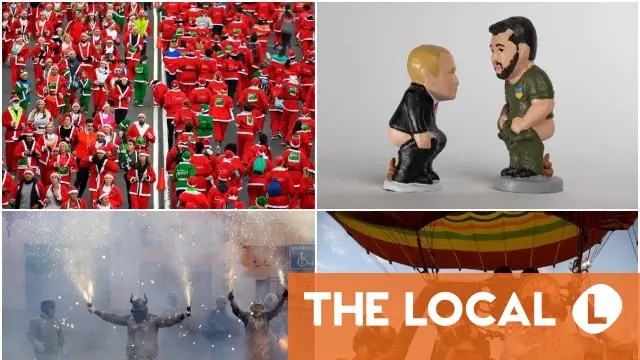
Feliz Navidad (Happy Christmas) to all our readers! If you’re spending Christmas in Spain, here are 12 traditions foreigners tend to find both brilliant and bizarre.
From Catalonia’s ‘crapping log’ to the Basque Country’s very own version of Santa Claus, The Local guides you through the weird and wonderful world of Spanish Christmas.
Nativity scenes that make a statement
Spaniards love their nativity scenes and many municipalities display a public one in the run up to Christmas. But they don’t always follow the traditional format of Holy family in a stable surrounded by farm animals.
Some towns stage a “living” Belén – the Spanish word for Bethlehem – with real actors and real animals. But others choose to make a social statement with the scene. A few years ago, Barcelona caused controversy by displaying a modern take on the biblical scene with the figures displayed in what looks like a flea market or “a load of old tat” as some critics described it.
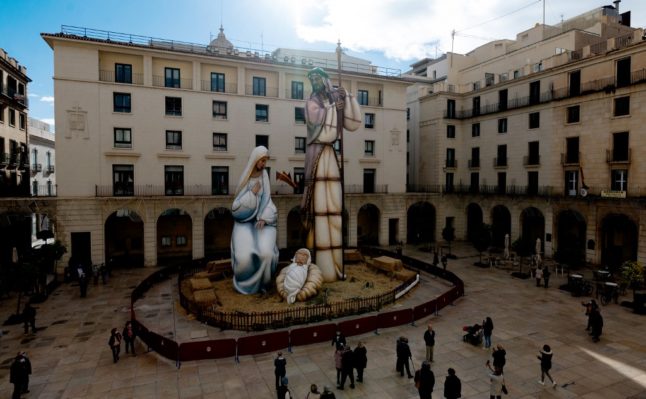 A giant 18-metre-high Nativity Scene in Alicante, which in 2020 broke the Guinness world record for ‘the largest nativity scene figurines’ (Photo by JOSE JORDAN / AFP)
Christmas crappers
The caganers or ‘crappers’ are a popular nativity scene decoration in Catalonia, where a defecating figure perched behind Mary and Joseph is said to symbolise fertilisation (because fertility was a stretch), as well as bringing luck and prosperity for the year ahead.
The traditional figure is that of a young peasant from Catalonia, sporting a red barretina cap and a pipe.
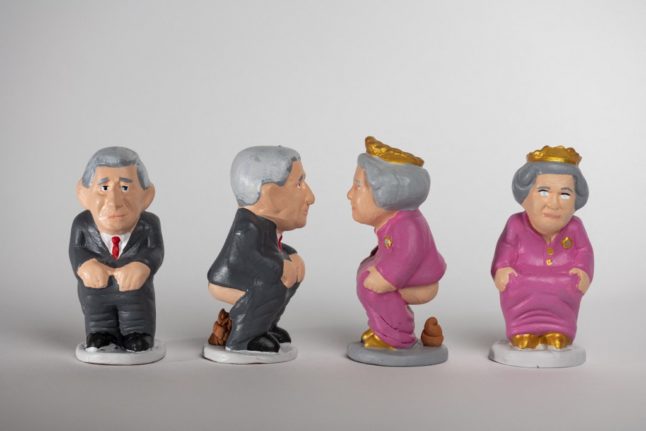 The late Queen Elizabeth II and King Charles depicted as ‘Christmas crappers’. (Photo by Josep LAGO / AFP)
Advertisement
Spain’s big fat Christmas lottery
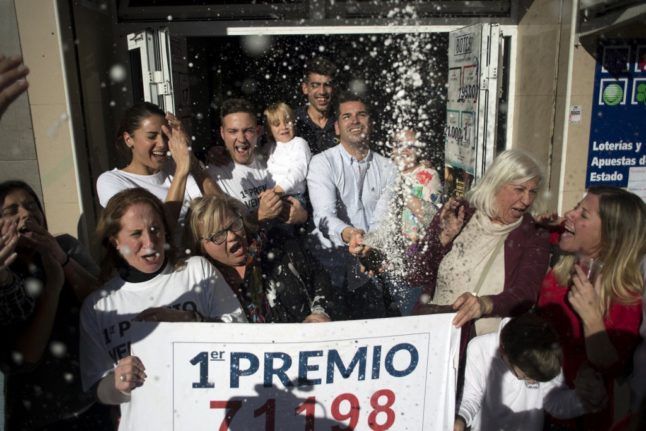 Lottery vendors and winners celebrate with champagne after ‘the Fat One touched them’. (Photo by JORGE GUERRERO / AFP)
Thousands take part each year in Madrid’s traditional 10K charity run dressed in the red and white suits of Father Christmas or one of his elves, which makes for a sight to behold.
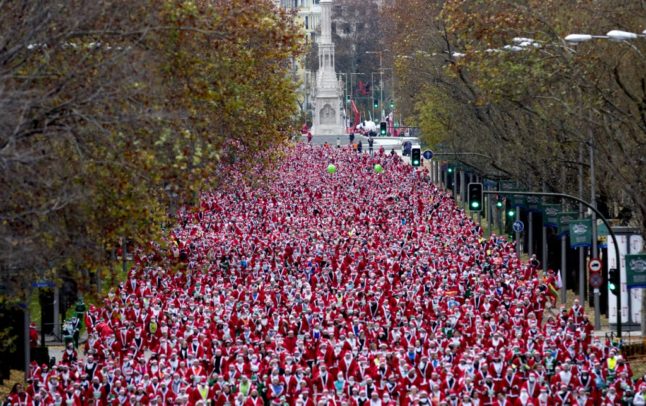 Finding a friend in the Santa Claus run feels like playing a game of ‘Where’s Wally?’. (Photo by CURTO DE LA TORRE / AFP)
Advertisement
The Basque ‘Father Christmas’
Move over Santa because there’s a fatter, more rugged version of you living in northern Spain. The Olentzero, as this pipe-smoking farmer-like legend is known, became the alternative to Santa Claus and the Three Wise Men for more militant Basque parents in the 1970s.
Nowadays, he tends to work in partnership with his ‘foreign’ present givers in most Basque households.
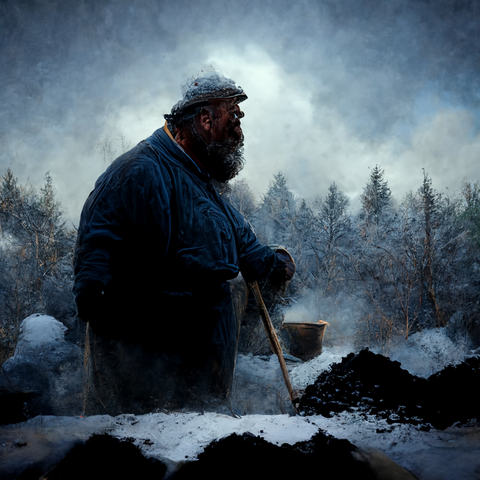 The Basques are different, even when it comes to Christmas. Photo: Midjourney AI/Wikipedia
Christmas ‘crapping’ log
As well as including crapping figures in their nativity scenes, Catalans also have Tió de Nadal, a jolly Christmas log which they stick in the fireplace every Christmas Eve.
Tradition says you must order Tío Nadal to defecate while spanking him with a stick. The ever-smiling tree trunk then waits for all the kids to go to bed before bringing them their presents.
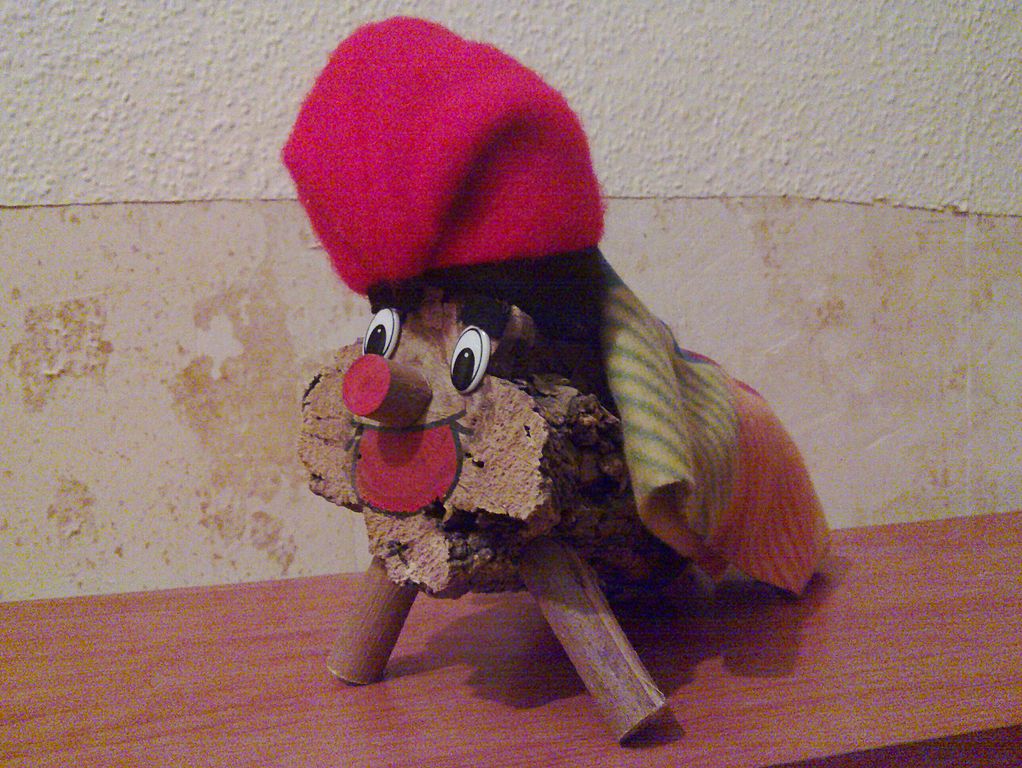
A Tío nadal is an important part of Christmas in Catalonia. Photo: Toniher / Wikimedia Commons
Sing when you’re winning
Orphans brought up at Madrid’s San Ildefonso School have been responsible for singing out the winning Christmas lottery numbers since 1771.
Nobody knows exactly how such a peculiar way of calling the numbers came about, but legend has it that San Ildefonso’s orphans once chanted prayers through the streets of Madrid for alms.
They were then chosen for Spain’s Christmas lottery because as orphans they were considered to be less prone to cheating.
 The San Ildefonso schoolchildren always use the same tone and rhyme when singing the numbers. Photo Handout: Sociedad Estatal de Loterías y Apuestas del Estado/AFP
Play the fool
Spaniards celebrate the Día de los Santos Inocentes on December 28th by playing practical jokes on each other (don’t try to play a joke on a Spaniard on April 1st as you won’t get many laughs).
Spaniards don silly wigs and glasses and prank each other, shouting “¡Inocente, inocente!” on revealing the broma. (joke).
In the Alicante town of Ibi, they take it even further with their 200-year-old traditional festival called Els Enfarinats (those covered in flour), where participants dress in military clothes and stage a mock coup d’etat as they battle using flour, eggs and firecrackers.
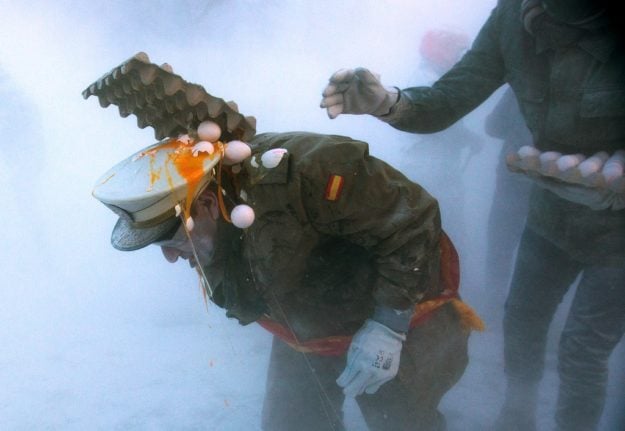 Revellers dressed in mock military garb throw eggs as they take part in the “Els Enfarinats” battle in the southeastern Spanish town of Ibi. (Photo by JAIME REINA / AFP)
Grappling with grapes
If you’ve celebrated New Year’s Eve in Spain, you may have spotted how locals scoff up 12 grapes as the clock strikes midnight.
The 12 uvas tradition is said to have begun at the start of the century when vine growers in Alicante (eastern Spain) had such an abundant harvest that they had to come up with a way of selling the grapes before they went off.
The custom has now spread to many Latin American countries as a way of bringing prosperity for the year to come.
-
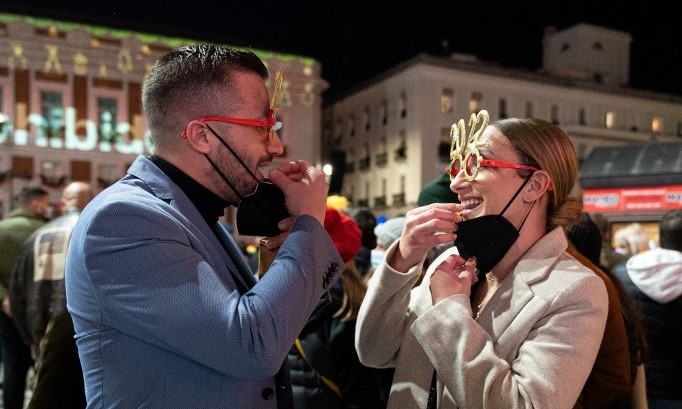 Scoffing down a grape for every dong is harder than you may think. (Photo by Rebeca MAYORGA / AFP)
Wakey, wakey Three Kings
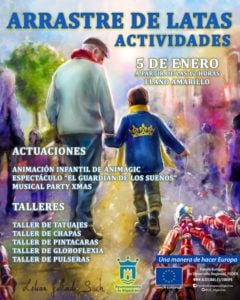
Every January 5th, children in the southern Spanish city of Algeciras tie dozens of cans together and drag them through the streets causing an almighty racket.
The reason for this ear-splitting tradition? To scare a legendary giant who tries to cover the sky in a thick cloud of smoke to stop the Three Wise Men from delivering the children’s presents.
Three Kings’ Parade
The Epiphany is traditionally Spain’s main festive holiday, when children receive their presents brought not by Santa Claus, but by the Three Kings or Wise Men.
Huge Three Kings parades or cabalgatas are held in towns and cities across Spain on the evening of January 5th, when children line the streets to catch sweets thrown into the crowds by Melchior, Caspar and Balthazar.
The latter is often portrayed by a ‘blacked up’ person, although in recent years there has been a move to find black actors to play the role due to the controversy the outdated practice has caused.
-
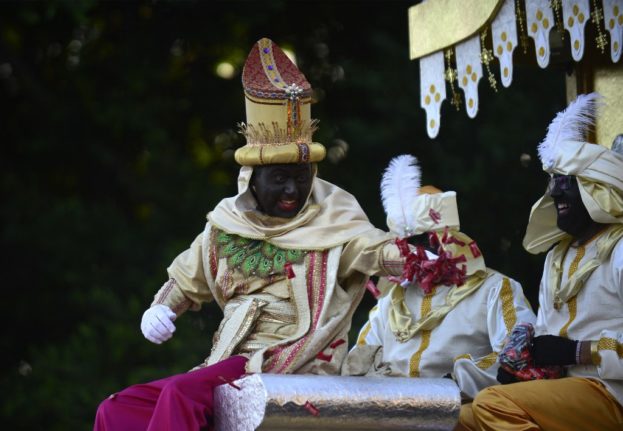 Three men in blackface dressed as King Balthazar, an increasingly controversial practice in Spain. (Photo by CRISTINA QUICLER /AFP)
Too much of a sweet thing
Spain’s Roscón de Reyes is a traditional cake families eat every January 6th (Epiphany). Be warned: this festive treat comes with the hidden ability of making your teeth crumble, and we’re not talking about sugar.
Every Roscón has a metal/plastic figurine inside it. Whoever gets it in their piece is crowned king or queen of the table. There’s also a bean inside the pastry and whoever gets it has to buy next year’s roscón.
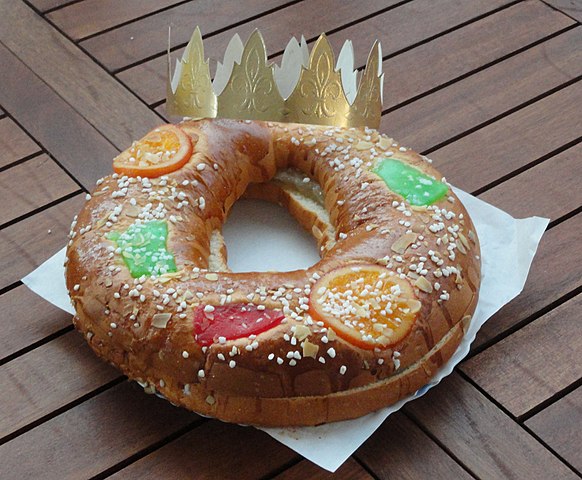 Careful with your teeth when you bite into a Roscón de Reyes. Photo: Wikipedia


