


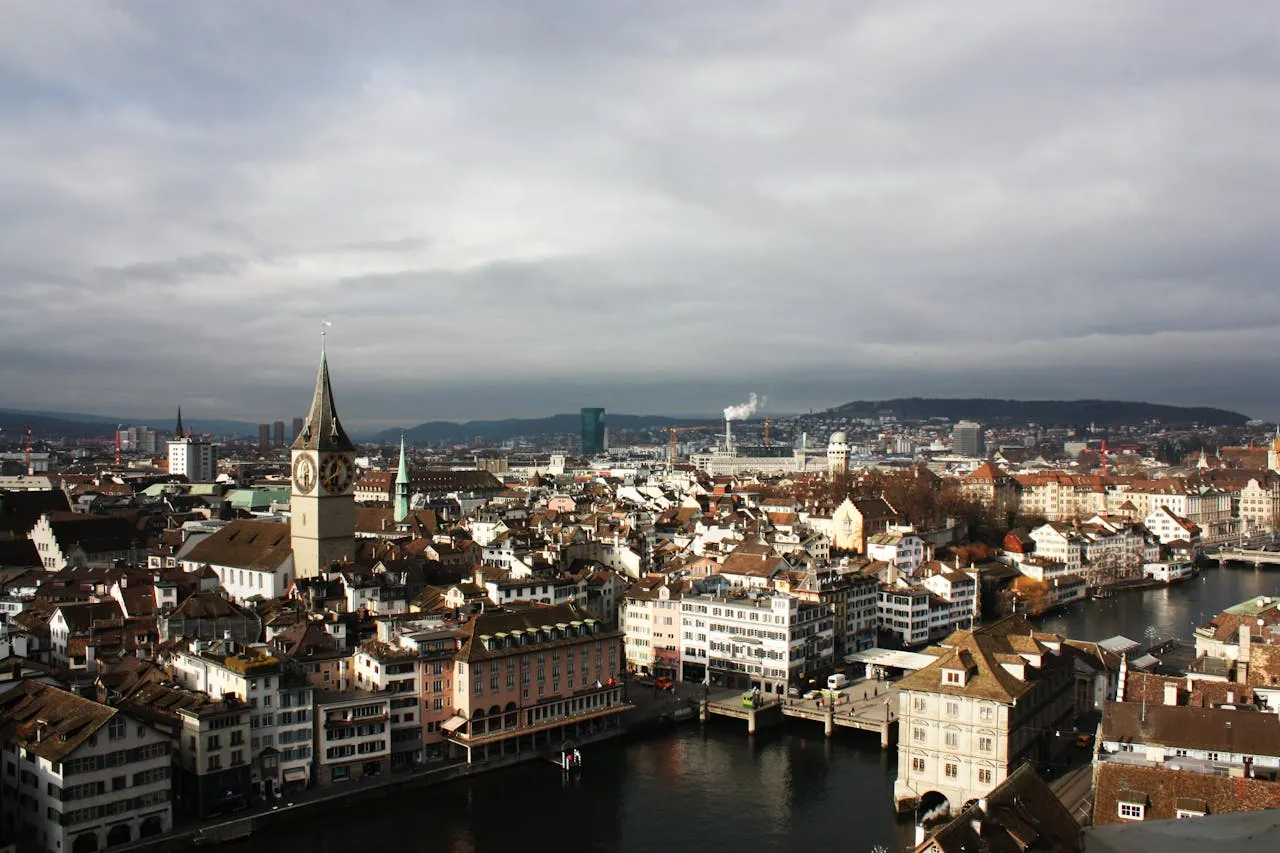
People who live in Zurich, Switzerland’s most expensive city, can look forward to some financial relief in 2026 – lower tax rates. But is this really good news?
This week, the cantonal parliament approved a tax rate reduction of 3 percent – the biggest tax cut in Zurich in 20 years.
This measure will go into effect in 2026.
According to deputy Karl Heinz Meyer, president of the finance committee, the reason for this measure is that tax rates “determine how attractive the canton remains for individuals and businesses.”
In other words, the lower the taxes, the more appealing living in the canton is, with high rates having the opposite effect.
Who will benefit from these cuts the most?
Logically, the highest earners will also be the biggest ‘winners’, since they pay the biggest chunk of their income in taxes.
Conversely, low-income individuals and households will see only modest tax breaks.
For instance, tax cuts for an individual earning 40,000 francs a year will amount to only 25 francs.
- 80,000 francs: 131 francs less in taxes
- 200,000 francs: 500 francs less
- 188,700 francs: 622.70 francs less
For married people, the calculation works out like this:
- 75’000 francs a year: 89 francs less
- 120,000: 190 francs
- 300,000: 731 francs
- 1 million: 3,439 francs
Advertisement
Potential consequences
A tax reduction is, however, a double-edged sword: while it is good news for taxpayers, as they will have more money in their pockets – even if slightly – the cut will result in a significant revenue loss for the canton, which will begin the new year with a deficit of 314 million francs.
In Zurich, as elsewhere, lower tax revenue, coupled with a deficit, means that public spending – for instance, on infrastructure or various programmes benefiting the population – may have to be slashed or abandoned altogether.
However, Zurich authorities have not indicated at this time that such measures will be taken.


