


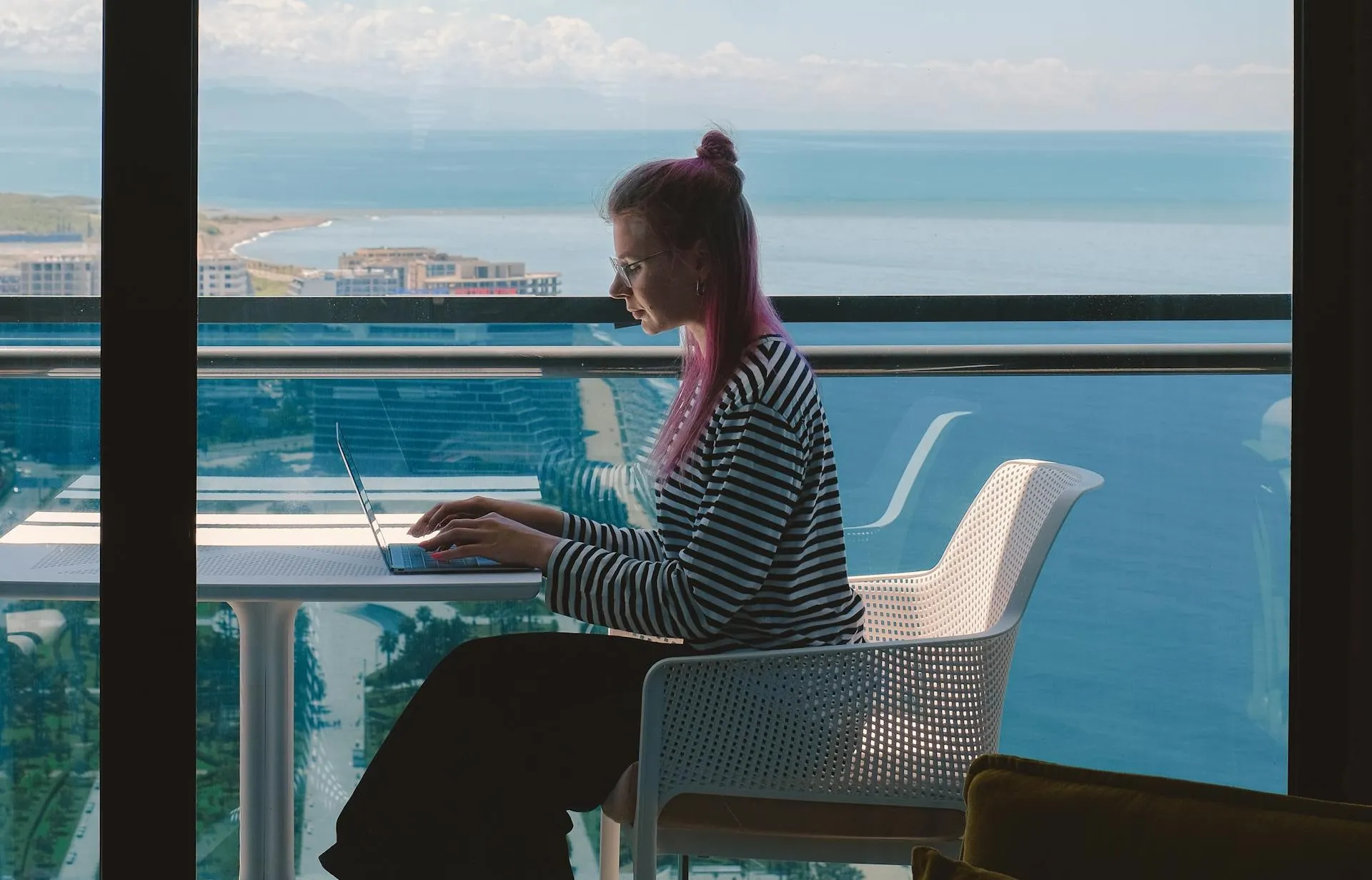
Spain consistently comes out on or near the top of many worldwide digital nomad rankings, but is the situation here really as good as it’s made out to be?
Recently, Global Citizen Solutions released its Global Digital Nomad Report, which placed Spain in the top spot out of 65 countries worldwide.
The report explained that Spain reached the top of the rankings with a score of 89.12 because of the combination of the digital nomad visa’s benefits and the quality of life the country provides.
Spain often tops or comes near the top of several of these lists including the ranking from VisaGuide Digital Nomad Index, while Málaga was crowned favourite city in Europe for executive digital nomads.
But what’s the reality of coming to live in Spain on the Digital Nomad Visa and being a remote worker or self-employed?
While many of these rankings look at factors like quality of life, cost of living, internet speed and healthcare, they either fail to mention or make mistakes about other important points such as taxes and self-employment system.
If you come of the DNV you will generally be considered to be a tax resident here, which means you will pay anywhere from 19 up to 47 percent of your earnings to the Spanish tax authorities.
A total of 47 percent will be charged on incomes over €300,000. This is most likely a higher percentage than what you’re used to paying back in your home country.
For example, in the US you pay only 37 percent on incomes over $626,350 USD if you file as a single person. And in the UK, you’ll only pay the top rate of 48 percent on earnings over £125,140 GBP.
READ ALSO: How will I be taxed on Spain’s digital nomad visa?
Advertisement
If you’re self-employed, you will also pay social security on top of your tax. During the first year you will pay a flat fee of €80 per month. From then on this will increase depending on your monthly earnings – it could be anywhere from €225 up to €530 per month. The amount may also continue to rise over the next few years.
This is also likely a lot more than you’re used to paying back in your home country as Spain as one of the highest social security rates for the self-employed.
Because the tax system is so complicated here, you’ll also likely have to hire an account or tax expert to help you file your taxes every quarter, which is another big expense you may not have factored into your monthly outgoings in Spain.
READ ALSO: How much should you pay a gestor to do your taxes in Spain
Advertisement
Many of these rankings also still erroneously report that digital nomads can get special tax benefits.
It is true that as a digital nomad you can apply for the Beckham’s Law in order to be able to pay a flat rate of 24 percent tax, but this is only applicable in certain circumstances and is not available to the self-employed.
And according to experts, the Beckham Law is really only worth it for those earning above €55,000 to €60,000 per year.
When it comes to cost living, Spain may surprise you too as it’s definitely not as affordable as it once was. Rents and food prices in particular have shot up over the past few years, so you need to be prepared. For example, the average rental price rose by 38.3 percent between April 2020 and April 2025, according to property portal Idealista.
Many digital nomads are also finding it difficult to find a place to rent in Spain, because lots of landlords require proof of earning a salary in Spain and there are limits on who can rent short or medium term lets as you must be able to prove why you need to do this.
Advertisement
READ ALSO: What are the downsides to being a digital nomad in Spain?
Don’t get us wrong, Spain is a brilliant country to live in with a vibrant culture, fascinating historic cities, stunning natural areas and great food, but it’s also a particularly difficult for place for entrepreneurs and the self-employed, so that’s something you have to be aware of when reading all these lists and rankings.
As long as you’re prepared and have budgeted for lots of bureaucratic paperwork, high fees and taxes and a complicated system, then your move to Spain as a digital nomad or remote worker will be a lot easier.


