


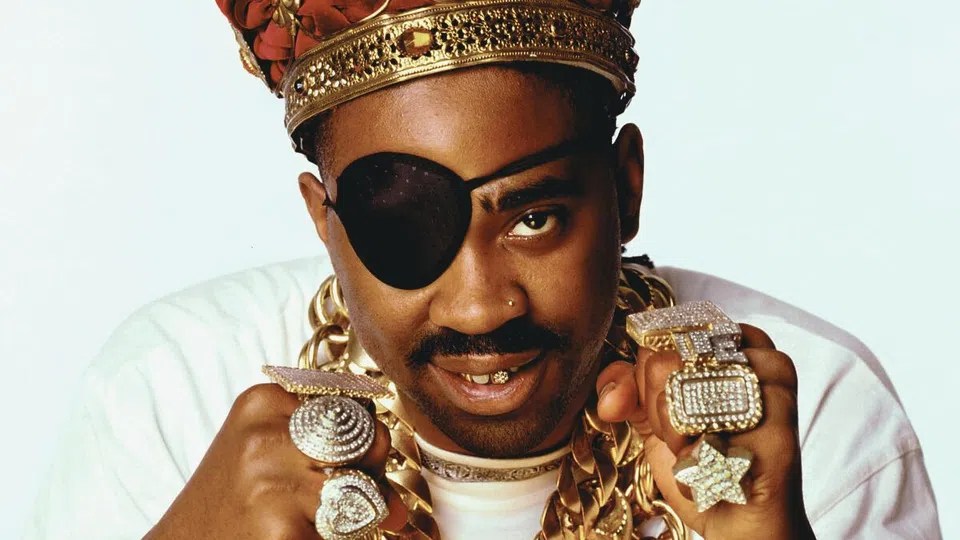
Get Rich or Die Tryin'” exhibition
Janette Beckman, Courtesy of Fahey/Klein Gallery
The exhibition Get Rich or Die Tryin’ highlights the universal power of hip-hop culture – whose Swiss roots lie in Renens.
Renens played a central role in Swiss rap history. “Renens was one of the epicentres of rap in the 1980s and 1990s and shaped history, as Carlos Leal and the group Sens Unik came from here,” explains Chantal Bellon, director of the Ferme des Tilleuls cultural centre in Renens.
Rapper and actor Carlos Leal was invited to design an entire exhibition floor tracing both his personal journey and the emergence of hip-hop culture in Renens.
A journey back in time
The room is designed like a teenager’s bedroom from the 1980s: music videos play on an old television, a desk holds Leal’s school notebooks, and the walls are covered with photos of friends, family and graffiti – as well as a fine for property damage, a reminder of his rebellious youth.
Lausanne rappers “Sens Unik” are back:
Leal has handwritten poetic lines on the wall, like rap lyrics. One reads: “In the beginning, we were a handful of sunny first names, working-class sons.” The words reflect Leal’s origins as the son of Spanish immigrants and link his story to the universal hip-hop narrative.
“Hip-hop culture is a universal story of migration, demands and the desire to find a voice through music,” says Bellon.
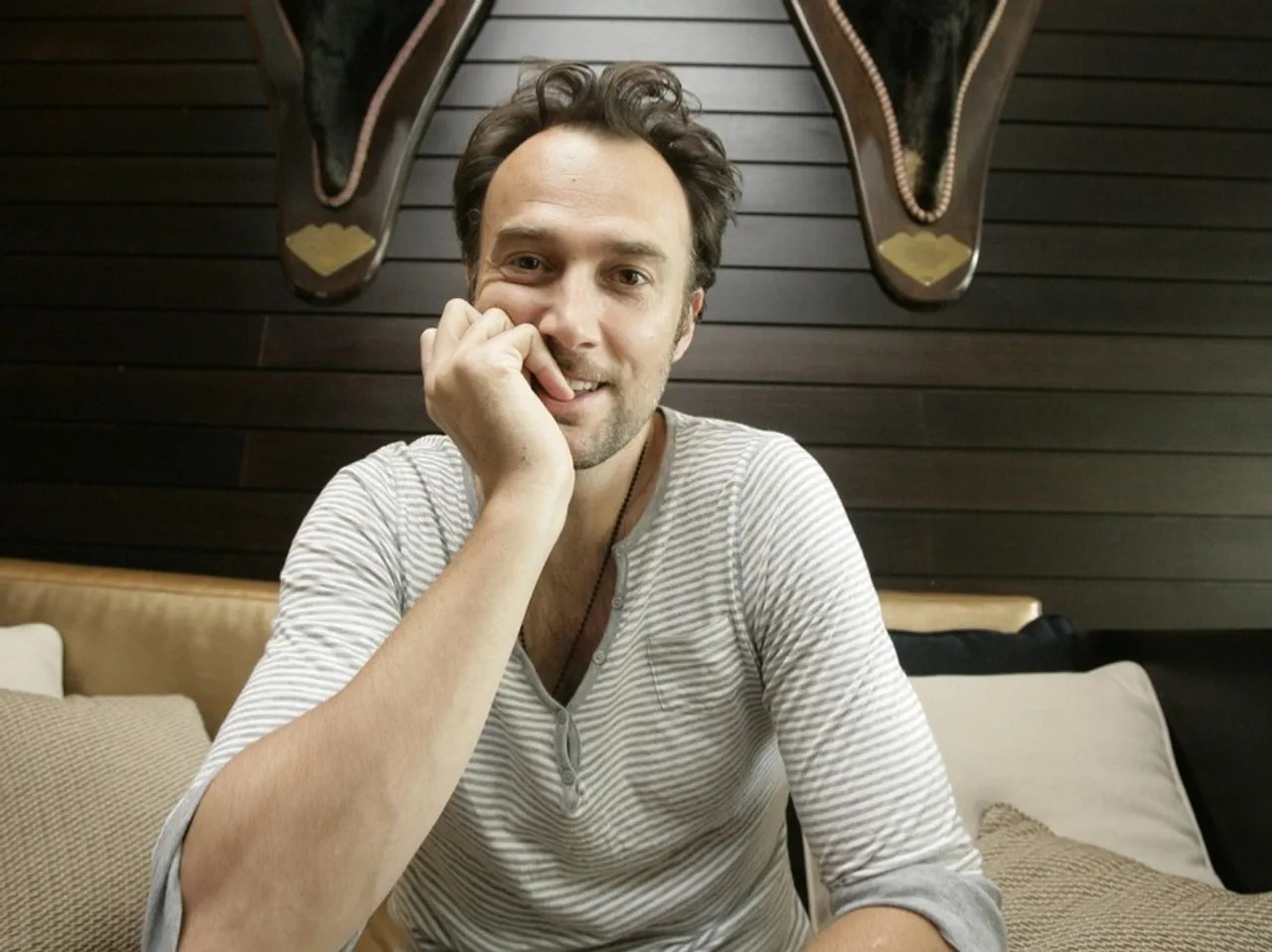
Carlos Leal was born in Renens in 1969 as the son of Spanish immigrants and brought rap to French-speaking Switzerland. (2009)
KEYSTONE/EFE/Str
The opposite wall is dedicated to Sens Unik’s history from 1989 onwards and includes an article from the SonntagsBlick dated March 1, 1992 about the group’s first album, Le VIième Sens. “Rap from French-speaking Switzerland? Mais oui!” reads the framed headline. Next to it hang gold discs, awards and studio photos.
Relevant and up to date: the SWIplus app brings you the most important information and news from Switzerland. Download it now!
Promising a career in rap
The main exhibition, Get Rich or Die Tryin, curated by photographer Paolo Woods and curator Lars Lindemann, was originally shown at an Italian photo festival. It features works by twelve international photographers who have documented and helped spread hip-hop culture – from Sophie Bramley’s raw street scenes of the Bronx in the 1980s to glossy portraits of rappers posing with luxury cars.
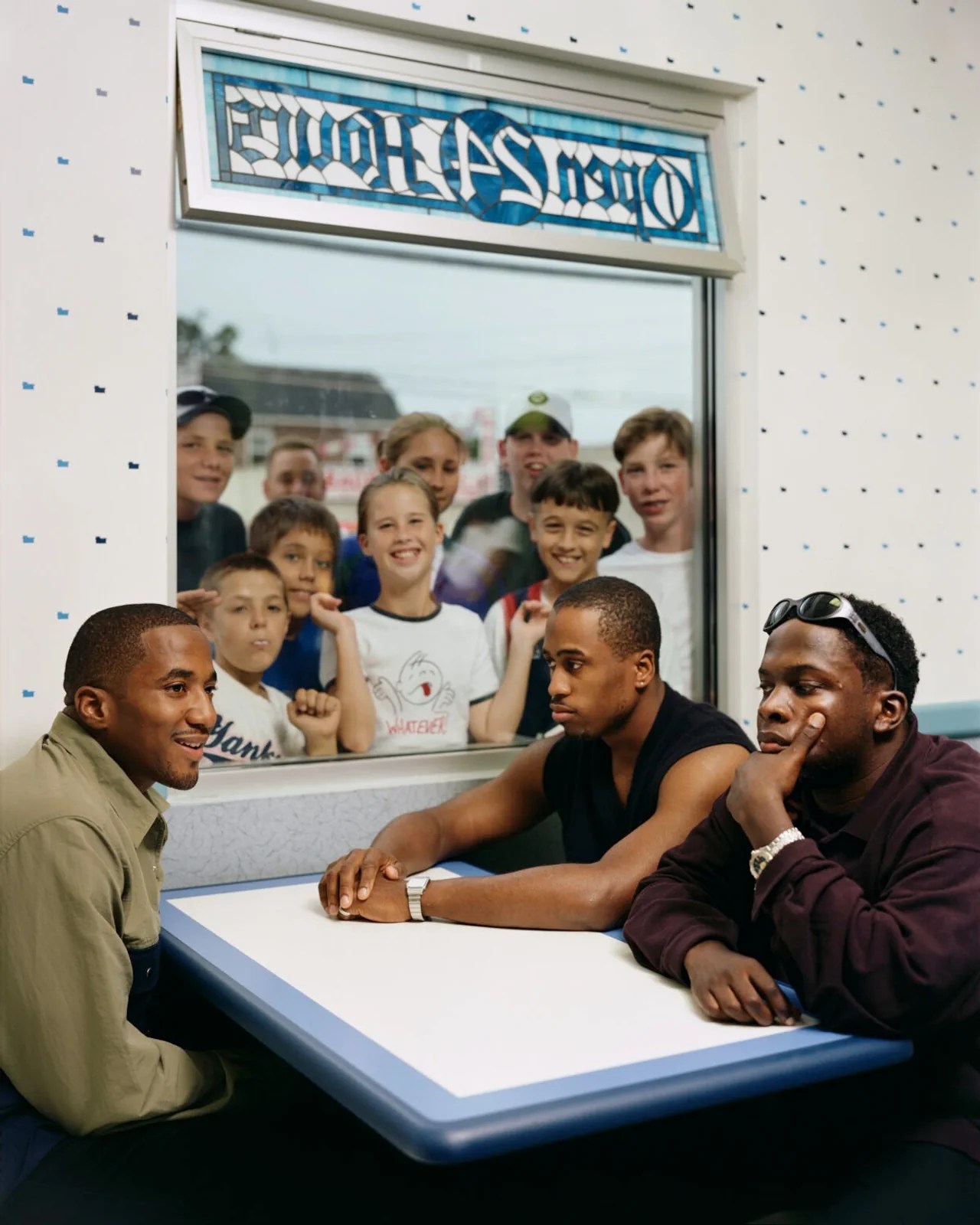
The exhibition documents the development of hip-hop culture. Kamaal “Q-Tip” Fareed, Ali Shaheed Muhammad and Malik “Phife” Taylor from the group A Tribe Called Quest in 1997.
Dana Lixenberg
According to Bellon, the guiding theme is how rap has been, and remains, a vehicle for social mobility – “an opportunity for artists to rise in society and become rich”.
It all started with the beats from the Bronx
The Renens exhibition includes a timeline tracing hip-hop’s evolution – from its origins in the Bronx to the success of Sens Unik in Switzerland, and to Kendrick Lamar, the first solo rapper to perform at the Super Bowl half-time show in 2022.
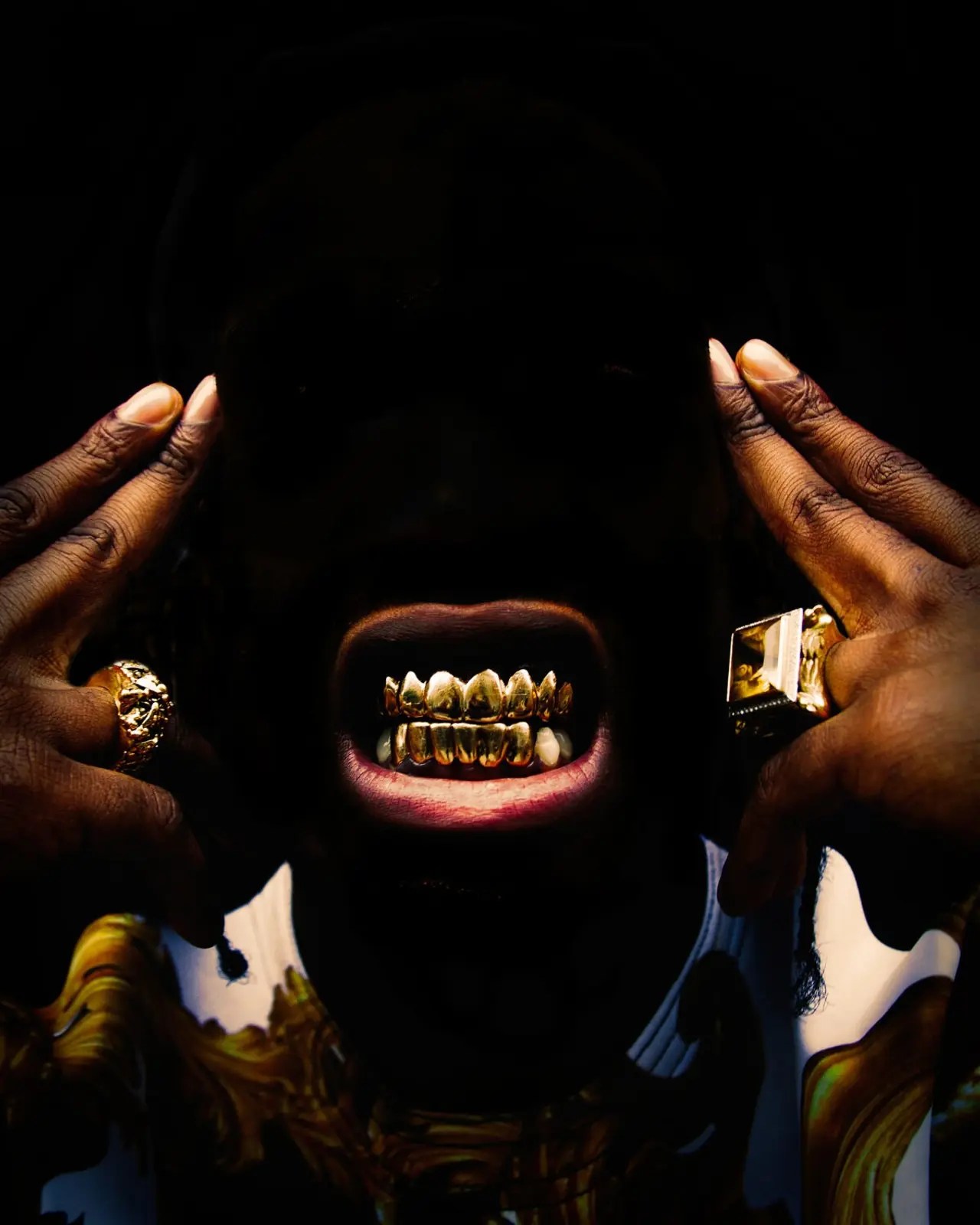
Showing teeth: “Can You Hear Me?” shows the rapper A$AP Rocky with clunkers and gold-plated teeth. Recorded in Harlem, New York 2013.
Philip Knott
The three-part exhibition attracts a broad audience. “Older rap fans from the 1990s come out of nostalgia and love for hip-hop, and 20 to 25-year-olds who don’t know Sens Unik,” says Bellon. She welcomes the mix: “It’s good to remind people where this movement comes from – and who made it possible for it to exist in Switzerland.”
Translated from German using DeepL/amva


