


According to a new report by the UN Office on Drugs and Crime (UNODC) released on Thursday, 10,200 hectares were under opium cultivation this year, down from 12,800 hectares in 2024 and far below the 232,000 hectares recorded before the ban.
Production of the drug dropped even more steeply, falling by almost a third to 296 tons, and farmer’s income from opium sales has almost halved over the period.
In the report, UNODC stresses the need to combine eradication efforts with support for alternative livelihoods and demand-reduction measures.
While many growers have switched to cereals and other crops, worsening drought and low rainfall have left over 40 per cent of farmland barren.
At the same time, the return of around four million Afghans from neighbouring countries has increased pressure on jobs and resources, raising concerns that economic hardship could make illicit cultivation attractive again.
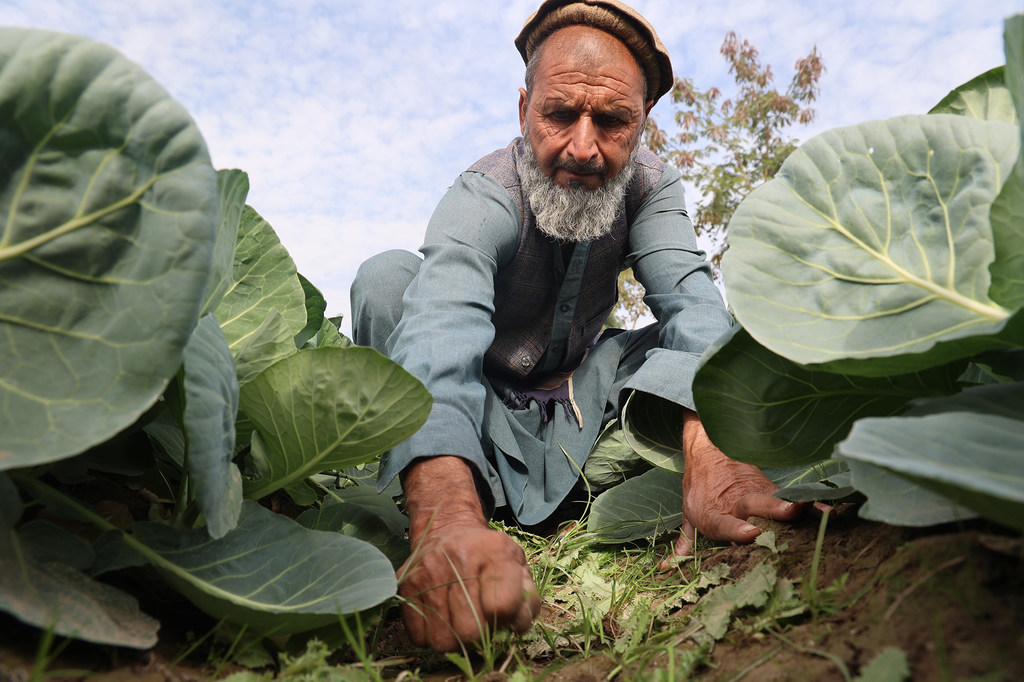
With support from the United Nations Office on Drugs and Crime (UNODC), Zahoor and thousands of other Afghan farmers have transitioned from opium to legal farming, turning land into a source of hope and sustainable income. This is also helping to make the world safer from drugs.
Synthetic drug market growth
Meanwhile, synthetic drug production, particularly methamphetamine, is going up, and seizures in and around Afghanistan were 50 per cent higher by late 2024 compared to the previous year.
UNODC warns that organised crime groups may increasingly favour synthetic drugs, which are easier to produce, harder to detect and less vulnerable to climate shocks.
Georgette Gagnon, Deputy Special Representative of the Secretary-General for Afghanistan and Officer-in-Charge of the UN political mission in the country (UNAMA), says that the problem extends beyond Afghanistan’s borders:
“The dynamics of supply, demand and trafficking involve both Afghan and international actors. Addressing this challenge requires collaboration among key stakeholders.”
The report calls for counternarcotics strategies which go beyond opium, integrating synthetic drugs into monitoring, interdiction and prevention efforts.


