


If you own a flat (or want to buy one) in a building in Switzerland that is managed by a homeowners’ association, there are certain duties and responsibilities you will have. Here’s what you should know.
The owners’ association, known by acronyms EPP in German and PPE in French and Italian, is a form of co-ownership where individuals own their private flats themselves, while jointly owning the common areas of a building, such as the roof, hallways, elevators, as well as, in some cases, any surrounding land.
There are both advantages and disadvantages to this system – read more about it below – but for now, it is important to know that in Switzerland, EPP/PPEs are a serious matter: there are strict rules about how they should be managed, and what each owner’s rights and obligations are.
That’s because, unlike in a single-family home, where all the decisions are made unilaterally by whoever the property belongs to, EPP/PPEs are more about group dynamics – that is, all the owners share responsibility, both in terms of decisions and finances, for the common areas of their building.
What’s yours and what isn’t
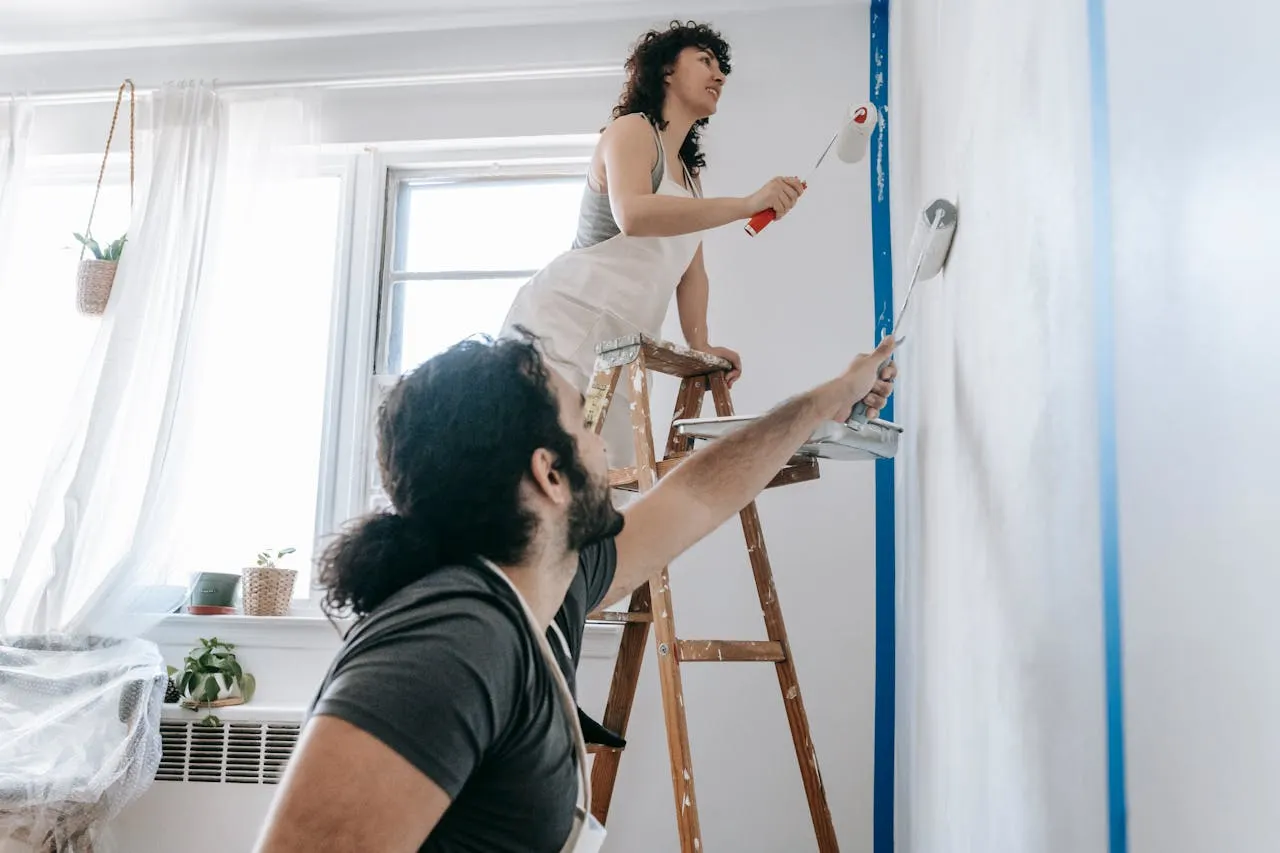
Anything that’s located within the interior confines of your apartment belongs to you and you can do with it as you wish – you can decorate it the way you want, paint or even remove the walls, and change the flooring – in other words, you have the freedom to upgrade/renovate any way you want, which you wouldn’t be able to do if you were a tenant, as you would need the landlord’s permission for any changes.
However, these rights are limited only to your own dwelling: your ability to act as you wish with regard to the exterior is limited; instead, you are bound by the rules of the homeowners’ association.
Typically, any changes to the roof or the façade of the building, or common inside areas (like staircases), as well as common ground outside, must by approved by the other owners.
This could be the case, for instance, if you want to install an air-conditioning unit in your apartment, which would require altering the façade of the building, or re-paint your shutters a different colour, which would likewise modify the building’s exterior.
Such changes could only happen if all the other owners (or a quorum, depending on the association’s regulations) are in favour of these alterations.
So if you want to push an individual agenda, your chances of success, especially in buildings with multiple owners, are slim.
Advertisement
These are your obligations:
Cost-sharing
All the owners must pay monthly association fees – which are determined by the size of their apartment.
They are pooled together to pay for administrator’s fees, building insurance, any needed repairs or improvements to the property, as well as to constitute a special fund for when major renovations are needed.
They are also used to pay a caretaker and/or gardener, if the association employs them.
This means that any cost of repairs or maintenance works will be shared by all the owners – in this regard, it is a definite advantage over single-home owners who would have to pay for everything themselves.
Advertisement
What other responsibilities do you have in an EEP/PPE?
You must attend general meetings
They typically take place once a year and focus on topics such as the current and future EEP/PPE budget, as well as any changes/improvements/ repairs that need to be made to the property.
Suggestions can also be made and, if needed, voted on by other association members.
Pay the fees
As an owner, you must pay your monthly association fees, which, as mentioned, are used for any necessary expenses and to build up a renovation fund.


