


Russia is grappling with fuel shortages and price hikes after a string of Ukrainian attacks on its oil refineries.
To protect supplies in Russia, where long queues at petrol stations have been reported in some regions, Moscow has banned or restricted the export of gasoline and diesel.
The move has triggered fuel shortages and price rises in some of the former Soviet republics of Central Asia which are heavily reliant on Russian energy.
Tajikistan Is The Hardest Hit
Tajikistan, which imports almost all its fuel — mostly from Russia — has been among the hardest hit.
A strategic partner and close ally of Moscow, Tajikistan still receives Russian fuel under bilateral import agreements.
But prices in Central Asia’s poorest country have increased sharply since Russia first imposed restrictions on energy exports this summer. A liter of regular gasoline currently costs up to $1.30 in Tajikistan, the highest in the region.
Uncertainty over Russia’s exports has forced Tajikistan to diversify its energy consumption model. Many taxis and public transportation vehicles in Dushanbe have switched to liquefied natural gas or electric power, moving away from gasoline.
Still, Dushanbe says its annual gasoline imports from Russia will reach 500,000 tons by the end of the year, a significant rise from 451,000 tons in 2024.
Kyrgyzstan Is Vulnerable
Kyrgyzstan imports more than 90 percent of the gasoline and diesel it consumes from Russia.
As a member of the Moscow-led Eurasian Economic Union, Kyrgyzstan has been shielded from Russia’s export ban.
Even so, Kyrgyzstan has faced price hikes, supply delays, and temporary fuel shortages since the summer.
Experts say Kyrgyzstan is vulnerable because of its almost complete dependence on Russian imports. The country, like Tajikistan, has energy reserves but lacks the ability to refine oil.
“There are few real alternatives to Russian supplies in the short term,” economist Nurgul Akimova told RFE/RL’s Kyrgyz Service. “All these alternatives will require significant investment in infrastructure and will be more expensive than current Russian supplies.”
Uzbekistan Turns To Other Suppliers
Uzbekistan still imports Russian gasoline and diesel as part of government-brokered contracts with Russian companies.
But wary of its overreliance on Russia, Central Asia’s most populous country has increased its fuel imports from Kazakhstan and Turkmenistan — Central Asia’s two largest exporters.
Uzbekistan has large oil reserves but lacks the infrastructure to boost production. In 2024, its output was only around 63,000 barrels per day.
Tashkent is planning to boost its oil production by upgrading its aging energy infrastructure and attracting foreign investment.

Kazakhstan Largely Self-Sufficient
Unlike many of its neighbors, Kazakhstan is largely self-sufficient in energy. The country has large energy reserves and possesses the technology to refine its oil.
Kazakhstan produces about 14 million tons of petroleum products annually — the most in Central Asia — and imports another 1.2 million tons from Russia every year.
But the country has still been affected by disruptions in Russia’s refining network.
In May, Astana imposed a six-month ban on exports of petroleum products and cracked down on cross-border fuel smuggling.
The move is aimed at preventing shortages in Kazakhstan. The restrictions are due to expire in November.
The Kazakh government has said it plans to boost fuel exports to Central Asian countries as well as China and India by 2040.
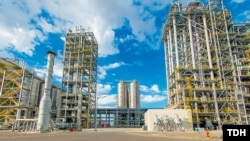
Turkmenistan Remains Largely Insulated
Turkmenistan’s vast oil and gas reserves, as well as the government’s strict control over production, have kept the country’s domestic market relatively stable.
Subsidized domestic prices mean Turkmen consumers have been largely protected from external disruptions.
“Turkmenistan is the only country in the region that has a surplus of all types of energy resources,” economist Marat Musuraliev told the Kyrgyz Service.
On October 3, the country said it had exceeded its gasoline and diesel production targets during the first nine months of 2025, a claim that RFE/RL could not independently verify.
Turkmenistan produces around 275,000 barrels per day of crude oil and liquid fuels.
Like neighboring Kazakhstan, Turkmenistan has benefited from the shifting energy landscape — exporting more petroleum products to markets in the region.
Media reports suggest that Ashgabat is increasing exports to neighboring Uzbekistan and Afghanistan.


