


UN sanctions on Iran, lifted under the 2015 nuclear deal, snapped back over the weekend despite Tehran’s efforts to prevent such a move.
Iranian officials call the return of the sanctions “illegal” and insist the public will endure them, but across the political spectrum, debate is already heating up over what the country should do next.
Conservative voices remain defiant. Hamshahri, a newspaper linked to Tehran Municipality, downplayed the sanctions’ impact.
“The enemy is trying to rebrand the same old sanctions through propaganda, making them seem larger and more threatening in people’s minds than they actually are,” wrote chief editor Mohsen Mahdian.
He argued that as long as people remain wary of exaggerated claims, Iran will stay resilient.
The hard-line judiciary echoed this stance. The Tehran Prosecutor’s Office warned the media to exercise caution in reporting, stressing that coverage must not “undermine the public’s sense of security.” Violations, it added, “will be met with appropriate action.”
Meanwhile, reformist commentators question the rationale behind Western demands, such as calls to reduce Iran’s missile range. “Reducing missile capabilities would mean complete surrender and increase the risk of war,” wrote Kiumars Ashtari in Sharq.
Ordinary Iranians Face Rising Hardship
For ordinary Iranians, the return of sanctions hits where it hurts most: their wallets.
“Inflation is out of control, and with the sanctions back, prices are bound to rise,” said one woman in a message to RFE/RL’s Radio Farda. She criticized officials and braced for tougher times ahead. “Curse those who brought us into this situation,” she added.
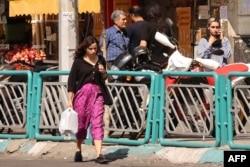
Another citizen described how families are forced to adjust their spending in a country where the inflation rate in August rose to 42.4 percent.
“People change how they save and how they indulge themselves,” he said. “This puts pressure on markets like gold and the dollar, driving prices up and affecting everything else. In the end, this behavior keeps money from flowing back into the economy.”
These personal experiences highlight a cycle that decades of sanctions have reinforced: ordinary people bear the brunt, while systemic problems remain.
What The Sanctions Mean For Iran
While ordinary Iranians feel the pinch, the newly reinstated UN sanctions mainly target Iran’s military and nuclear programs. They include a full arms embargo, bans on missile and nuclear technology transfers, asset freezes, and travel restrictions for key officials and affiliated organizations.
All UN member states are now required to halt weapons and sensitive technology sales to Iran and block financial transactions connected to its nuclear and missile programs.
The direct economic impact may be limited — US and EU sanctions have already restricted Iran’s oil exports and access to global finance — but the UN measures deepen the country’s isolation. Legal arms imports are now impossible, and foreign investment faces even greater hurdles.
Strategically, the sanctions could have a bigger bite than financially. They constrain Iran’s missile program, slow nuclear advances, and limit diplomatic maneuvering with world powers and regional rivals. With nuclear monitoring challenges and rising regional tensions, these restrictions intensify Iran’s diplomatic isolation and raise the risk of military confrontation, particularly with the United States and Israel.
Even in areas like scientific research or military modernization, the sanctions make it harder for Iran to collaborate internationally, forcing it to rely on workarounds with countries like Russia or China — options that are increasingly risky and limited.


