


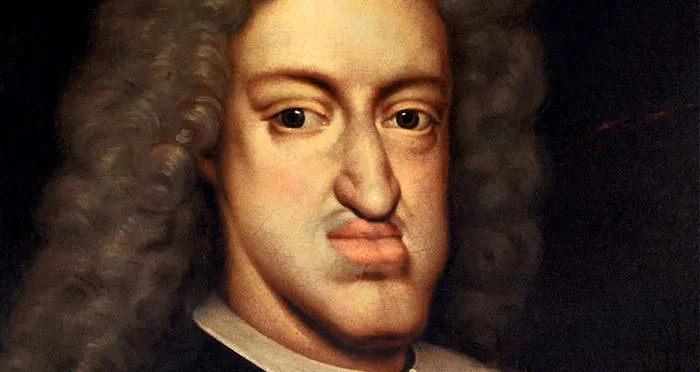
If you’ve crossed the line with a Spaniard, there’s a high chance they’ll use one of a number of expressions in Spanish that refer to the face or head. Here’s the interesting reason why.
Spanish speakers have a lot of ways of referring to someone who is overtly cheeky or shameless and doesn’t take others into account.
There are the terms sinvergüenza (scoundrel) or insolente (insolent/lippy) but Spanish speakers are more likely to use one of the following face and head-related expressions to call out someone’s audacity.
Caradura
Literally meaning ‘hard face’ but in fact a colloquial way of referring to someone who is overtly cheeky or shameless and doesn’t take others into account.
Example: Eres un caradura, te has comido todas mis galletas. You’re so cheeky, you ate all my biscuits.
Tener mucha cara/ser un carota
To ‘have a lot of face’ or to be a ‘big face’ but in fact also meaning to be cheeky.
Example: Tiene mucha cara, ha aparcado en una plaza para discapacitados. He’s shameless, he’s parked in a disabled spot.
Advertisement
Tener más cara que espalda
Word for word translating as ‘having more face than back’ but actually means to have a lot of audacity or impertinence.
Example: Juan tiene mas cara que espalda, sólo sabe aprovecharse de los demás. Juan is so shameless, he takes advantage of others.
Tener morro/mucho morro/un morro que se lo pisa
Several expressions with the Spanish word for snout (to have a snout, to have a lot of snout, and to have so much snout that you step on it). They are however not used to refer to an animal’s face but a person who’s gone too far with their shameless behaviour.
Example: Tiene un morro que se lo pisa, ha cogido mi bici sin pedírmelo. The nerve she has, she’s taken my bike without asking
Por la cara/por el morro
‘By the face’ or ‘by the snout’, but really meaning scot-free, without asking.
Example: María se plantó en la fiesta por la cara aunque no estaba invitada. María turned up at the party without asking or being invited.
Ser un jeta
To be a pig or ‘boar’s snout’. You know the drill, it means to be a shameless devil.
Example: Mi hermano es un jeta, no va a clase pero se lo pagan mis padres. My brother is shameless, he doesn’t go to class even though my parents pay for it.
And even though Spaniards don’t have the wealth of hand gestures that Italians do, they do give themselves a light slap on the cheek to refer to someone who’s being cheeky.
So what’s the origin of all these expressions and the apparent connection between the face and shameful behaviour?
Most linguistic experts seem to agree that all the facial references come from the fact that in feudal times in Spain not showing emotion on one’s face (keeping a hard face, caradura) or not hanging one’s head in shame in a situation where remorse was due was a clear example of shameless behaviour.
There’s also the expression ‘your face should fall from shame’ (se te debería caer la cara de la vergüenza) which pretty much sums it all up.
Advertisement
As for the reference to an animal’s snouts alluding to unabashed behaviour, it could stem from the centuries of Moorish conquest over Spain and how pigs are viewed as impure and unhealthy in Islam.
The word jeta in Spanish comes from the Arabic jaṭm and the negative connotations that came with it seeped into the Spanish language.
So the next time someone behaves selfishly and shamelessly to you in Spain, don’t forget to use one of these expressions.
They’re not exactly insults and definitely not swear words, but maybe think twice before saying it directly to their face.


