


The Federal Council and nearly all governing parties supported the e-ID law. However, an opposing committee collected over 50,000 signatures for a referendum against the law and nearly sank the project.
Keystone / Peter Schneider
Swiss voters have accepted an electronic proof of identity (e-ID), but there is a mistrust of the state. Political scientist Lukas Golder from gfs.bern analyses the reasons for this.
At first the vote seemed to be a clear-cut yes, but then it turned into a nail-biter. What happened?
We saw a mobilisation effect in the countryside, which we’ve seen previously with the pesticide and drinking water initiative. Farming communities were very strongly activated and with them criticism of the authorities. The no vote came from this.

Political scientist Lukas Golder
Courtesy image
Pollsters didn’t see this coming. Was there a blind spot?
The mobilisation in this sector took place within a very short space of time. The fact that this segment of the electorate could be mobilised so quickly and to such an extent is astonishing. The driving force behind this was a heavily funded campaign by the Homeowners’ Association with the support of the Farmers’ Association. This mobilisation swept up the e-ID and put pressure on the result.
What did Sunday teach us about Switzerland’s trust in its authorities?
When there’s a fundamental lack of trust, this has an impact on such compromise proposals and especially on government solutions. In this respect, a fault line has emerged that has prevailed since Covid.
So we can see that the state is struggling with its solutions and that the fault lines from the Covid era still exist. If you activate people properly in this context, you can get them to the polls, even if the participation rate in this milieu is actually falling.
More
More
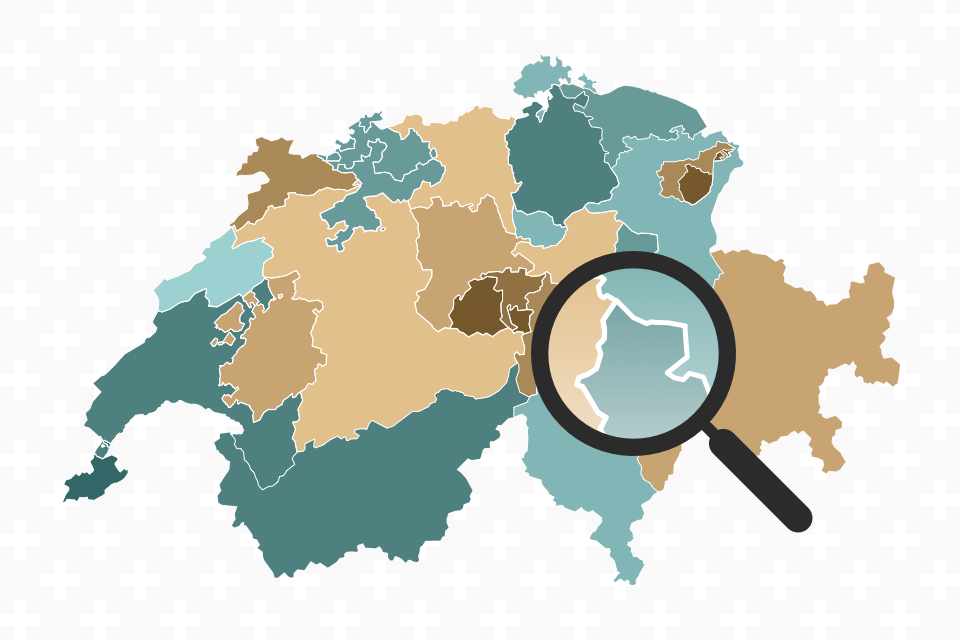
September 28, 2025 vote: the result from across Switzerland
There is also a discrepancy between parliament and the people. Were you surprised by the extent of this?
Absolutely. In parliament, erstwhile opponents of e-ID switched to the yes camp, especially the Greens and even the Swiss People’s Party, who later left again. However, scepticism remained among technology-critical circles right up to the end, especially among women, who attach more importance to the risks of technology than men. This also applies to the less educated classes, who, according to our surveys, saw more risks than opportunities in e-ID.
The benefits of e-ID were not at the forefront of the campaign. Was this a mistake?
That’s not clear. In principle, people welcome modernisation steps in this area. But this view of the benefits was always accompanied by references to the risk: that private companies could access this data after all. Or that the state made mistakes in other digitalisation projects and showed that it is just as susceptible to the increasing criminal energy in the digital space as everyone else.
More
More
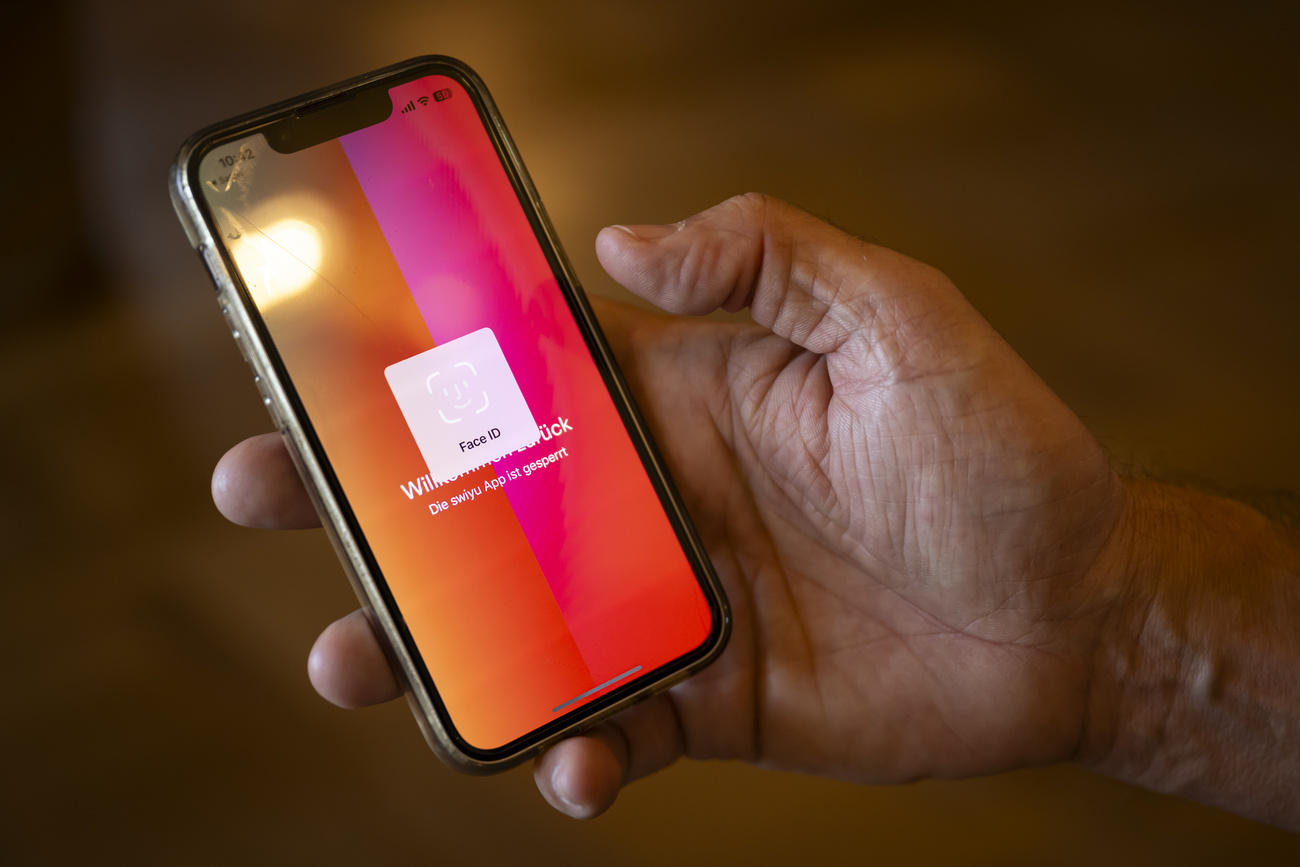
Five lessons from Swiss voters’ acceptance of e-ID
Not losing touch with the digital future was a key argument put forward by those in favour. Was that too abstract?
This argument is fundamentally sound. But anyone who goes to the ballot box with a basic emotion of scepticism will naturally find it hard to accept. That’s when the gut decides. Perhaps the yes side felt a little too confident of victory and had little to counter on a gut level.
Should the Swiss Abroad have mobilised more? Could that have made a difference?
Many factors contributed to this close result. Those who benefit from a modern, globalised Switzerland were in a slight majority in the end. This group also includes Swiss nationals abroad, who are often well-paid, well-educated and professionally ambitious.
Is the narrow yes vote also a mandate for the authorities?
Definitely. The safety of the application must now take centre stage. The pace has also been very fast so far, and many people felt that they were not being taken along.
Property owners have prevailed when it comes to imputed rental value. How serious is the defeat for tenants?
In Switzerland we are on the way to a new conflict between tenants and property owners. There is a shortage of flats, and property owners are currently being strengthened economically. The tenants’ association has held back on the owner-occupied rental value campaign because it is focusing its energies on its own upcoming initiative for fair rents. This opens up a new phase. Today, homeowners are the big winners. But tenants will soon be demanding their rights again.
As with the 13th monthly pension payment, the class that benefits most from it has won: older property owners from German-speaking Switzerland. Are these pensioners currently shaping Switzerland?
There’s a pattern that the weight of age is increasing in votes. However, the initial situation and interests today were more complex. For example, there are also older homeowners who are interested in an imputed rental value, for example if they wanted to bequeath an old house. Today, a tax has been abolished because all the interests of the owners have been bundled together. Age was not the real driver here.
How deep is the linguistic divide?
Deep, very pronounced. It was decisive with the e-ID and very pronounced with the abolition of the imputed rental value. In French-speaking Switzerland mobilisation was also lower, as the abolition of the imputed rental value had less of an impact – for the simple reason that this tax is traditionally not as high in French-speaking Switzerland as it is in German-speaking Switzerland.
Edited by Samuel Jaberg. Translated from German by DeepL/ts


